

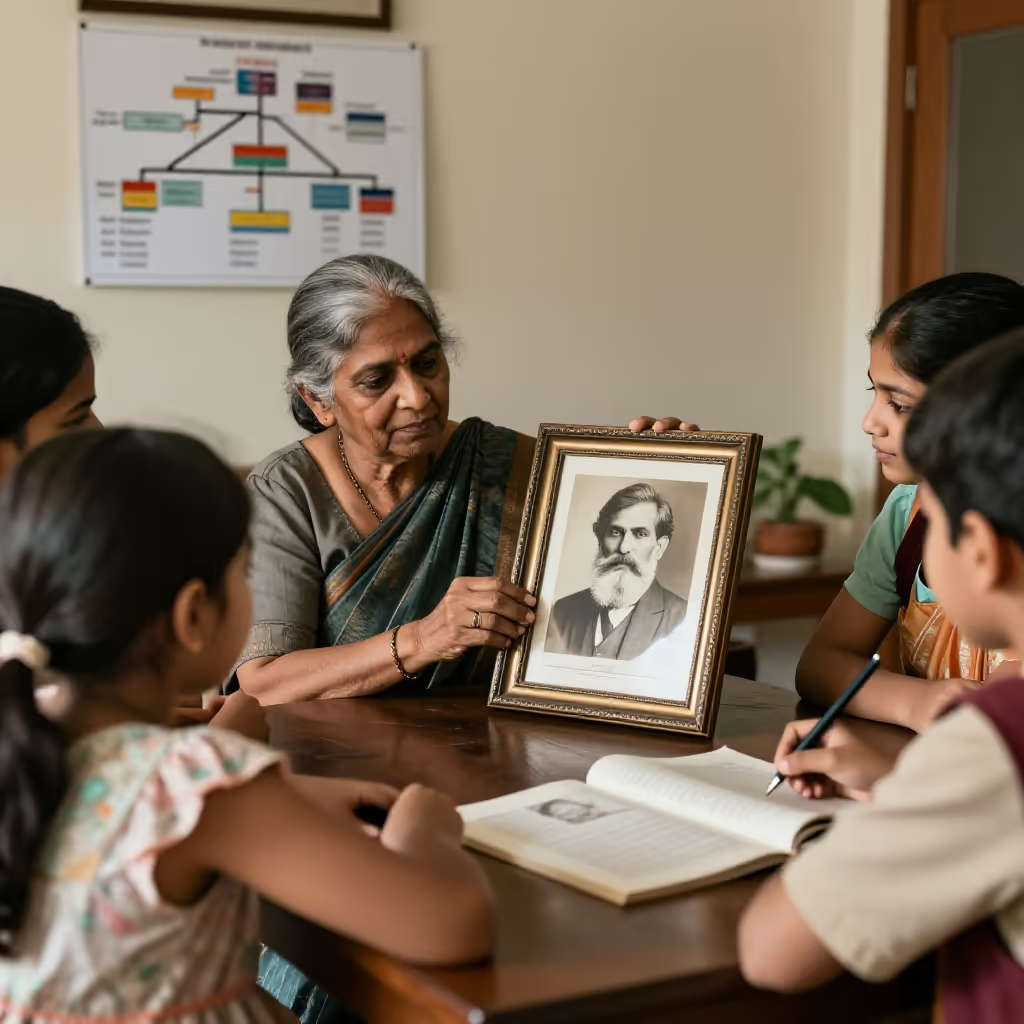
A person from an earlier generation from whom one is descended; a male forefather. The plural 'die Ahnen' refers to ancestors in general.
example
Mein berühmtester Ahne war ein Entdecker im 18. Jahrhundert.
My most famous ancestor was an explorer in the 18th century.
Usage tips
Grammar: n-declension
'Der Ahne' (ancestor) belongs to the n-declension. This means that it takes the ending '-n' in all cases except the nominative singular.
EXAMPLE
Er sprach mit Stolz von seinem Ahnen.
He spoke with pride about his ancestor.
Use the plural form
In practice, the plural form 'die Ahnen' (ancestors) is usually used. It refers to all ancestors, both men and women, and is much more common than the masculine singular form.
EXAMPLE
Meine Ahnen stammen ursprünglich aus Italien.
My ancestors originally come from Italy.
Typical context
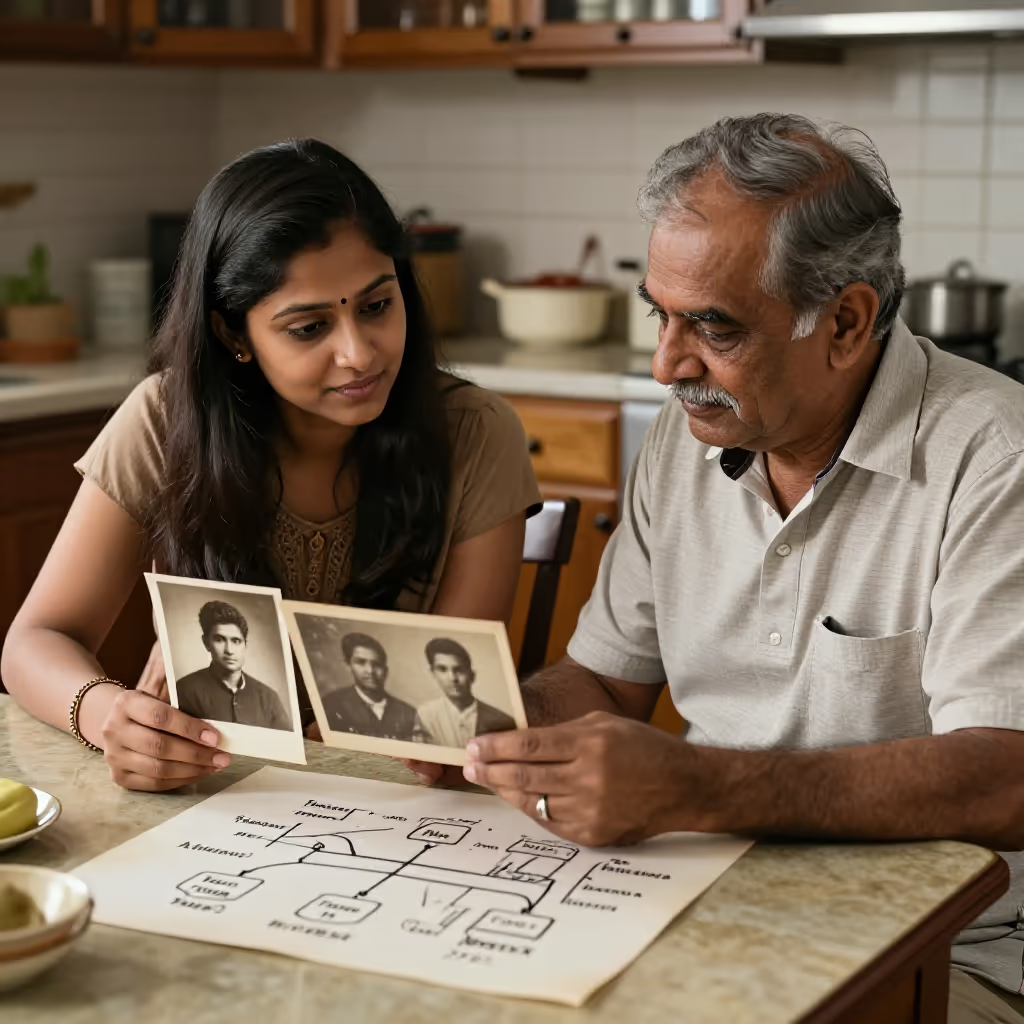
The word 'Ahne' (ancestor) or 'Ahnen' (ancestors) is very often found in connection with family history. Typical terms in this context are 'Ahnenforschung' (genealogical research) or 'Stammbaum' (family tree).
EXAMPLE
Durch Ahnenforschung hat er viel über seine Familie gelernt.
Through genealogical research, he learned a lot about his family.
Compare with
near_synonym
Ahne vs Vorfahre
ancestor
'der Vorfahre' and 'der Ahne' both mean a person from an earlier generation from whom one is descended. 'Vorfahre' sounds neutral and works well when talking about one's own family history. 'Ahne' is similar, but often sounds a bit more elevated or solemn. In everyday language, the plural 'die Ahnen' is especially common when referring generally to earlier family members. For a clear, normal explanation, 'Vorfahre' is usually more natural; 'Ahne' fits well in historical or solemn contexts.
Ahne
Auf dem alten Foto soll einer ihrer Ahnen zu sehen sein.
One of her ancestors is supposedly shown in the old photo.
Vorfahre
Wir haben herausgefunden, dass ein Vorfahre von uns als Bäcker gearbeitet hat.
We found out that an ancestor of ours worked as a baker.