

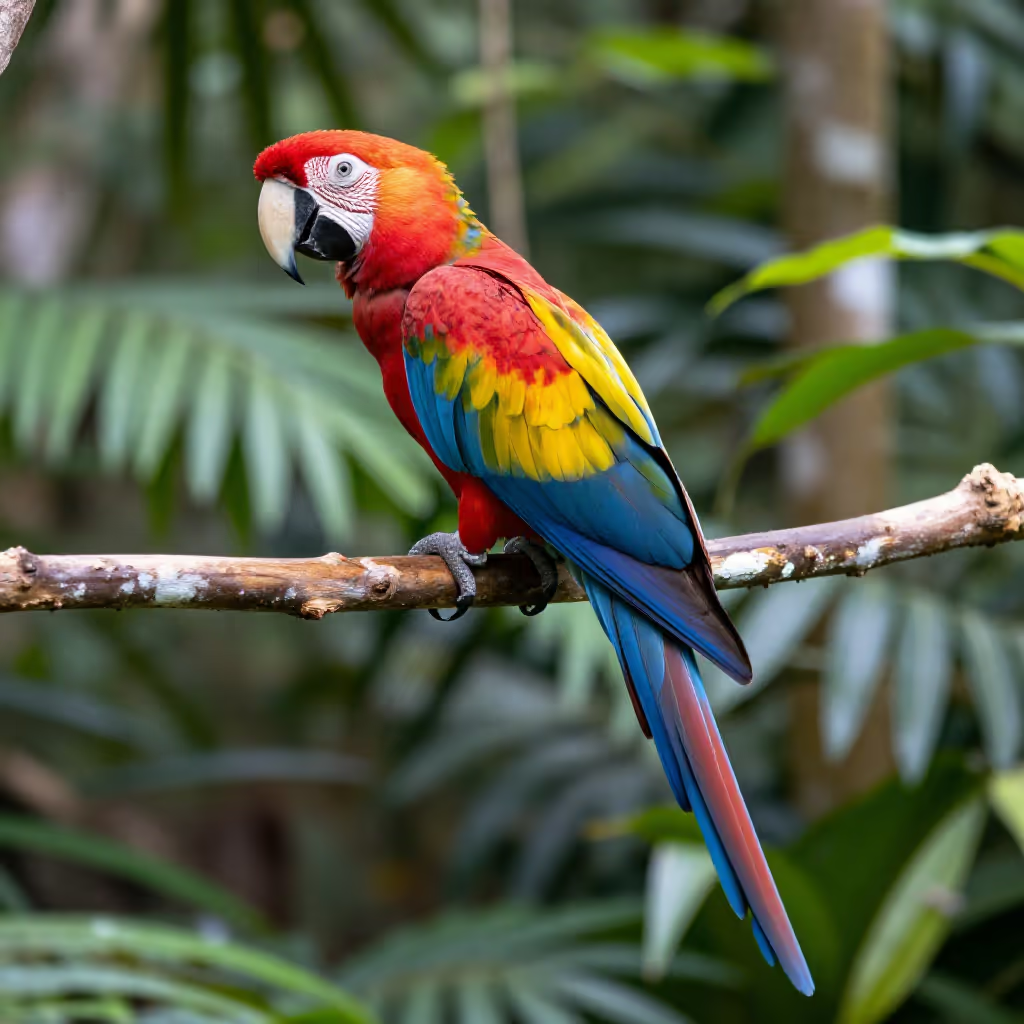
der Ara
macaw
A large, long-tailed parrot with colorful plumage, native to the tropical forests of Central and South America.
EXAMPLE
Im Zoo bewunderten die Kinder den leuchtend roten Ara.
At the zoo, the children admired the bright red macaw.
macaw / Ara
Loading your saved state.
macaw
A large, long-tailed parrot with colorful plumage, native to the tropical forests of Central and South America.
Im Zoo bewunderten die Kinder den leuchtend roten Ara.
At the zoo, the children admired the bright red macaw.
Ara
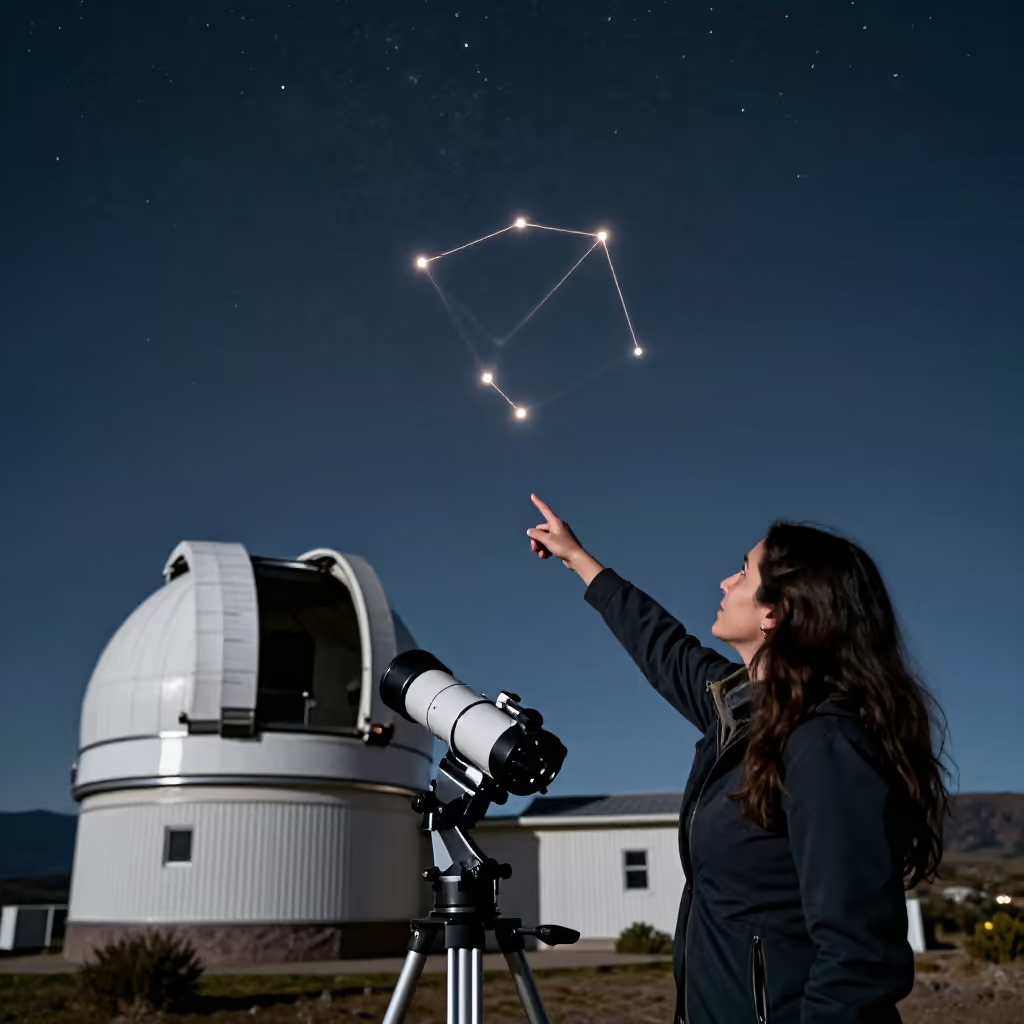
A constellation in the southern sky that is also called the Altar in Latin technical terminology.
Das Sternbild Ara ist von Mitteleuropa aus nicht zu sehen.
The constellation Ara cannot be seen from Central Europe.
The two meanings are easy to distinguish. If people are talking about animals, birds, the zoo, or the jungle, the parrot is meant. If they are talking about the sky, stars, or astronomy, the constellation is meant.
Der Ara ist für sein buntes Gefieder bekannt.
The macaw is known for its colorful plumage.
When the bird is meant, 'Ara' (macaw) is often combined with adjectives that describe colors. Typical examples are 'bunter Ara' (colorful macaw), 'roter Ara' (red macaw), or 'blau-gelber Ara' (blue-and-yellow macaw).
Im Vogelpark sahen wir einen wunderschönen blauen Ara.
At the bird park, we saw a beautiful blue macaw.
In the astronomical meaning, 'Ara' is almost always used together with the word 'Sternbild' (constellation). So you typically say 'das Sternbild Ara' (the constellation Ara).
Der Astronom zeigte uns die Position des Sternbilds Ara am Himmel.
The astronomer showed us the position of the constellation Ara in the sky.