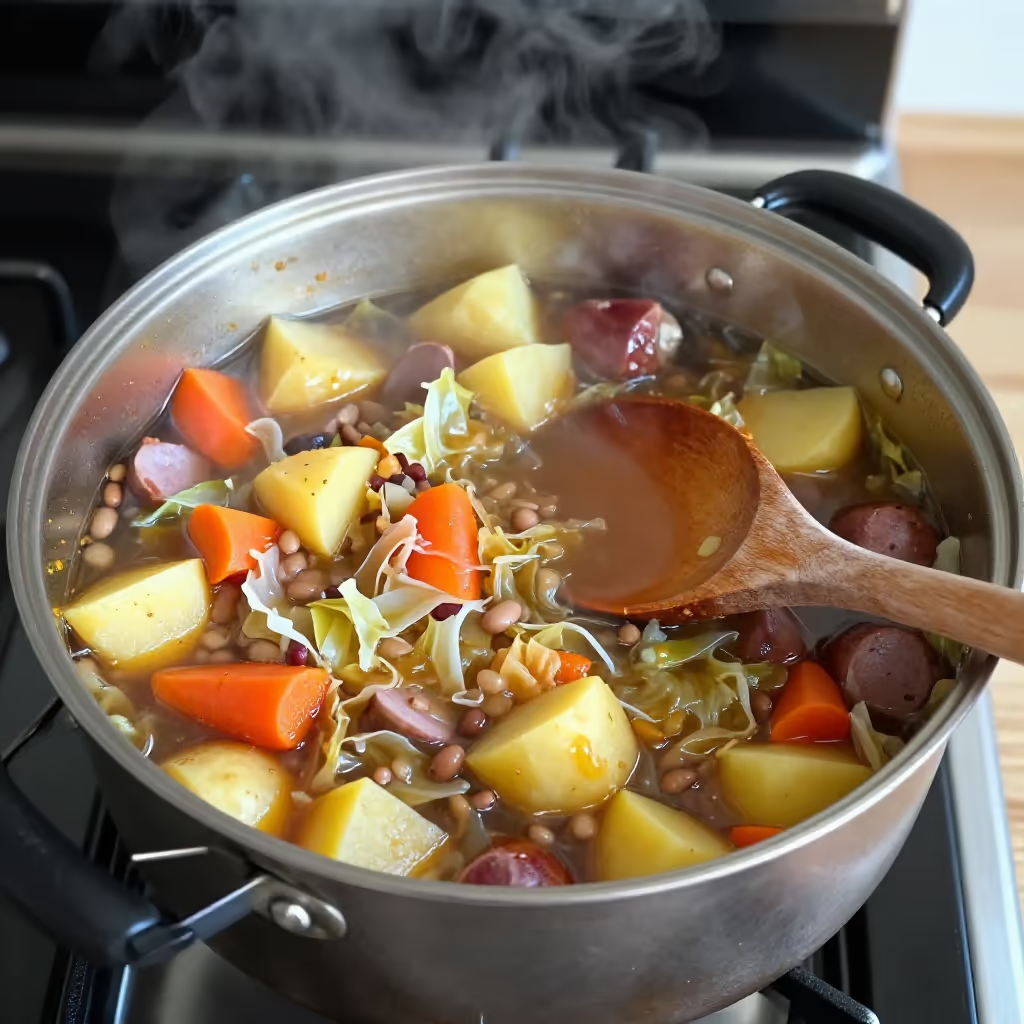
A dish made from various ingredients that is baked in a dish in the oven, often topped with cheese.
example
Zum Abendessen gibt es heute einen leckeren Nudelauflauf mit Gemüse.
For dinner today, we're having a delicious pasta casserole with vegetables.

Usage tips
Word family
The noun 'der Auflauf' (casserole/crowd/emergence) is derived from the verb 'auflaufen'. This connection helps you understand the meanings: the ingredients 'rise up' in the oven, people 'run together' in one place, and the seed 'comes up' out of the soil.
EXAMPLE
Durch die Hitze im Ofen läuft der Teig schön auf.
The heat in the oven makes the dough rise nicely.
Context clues
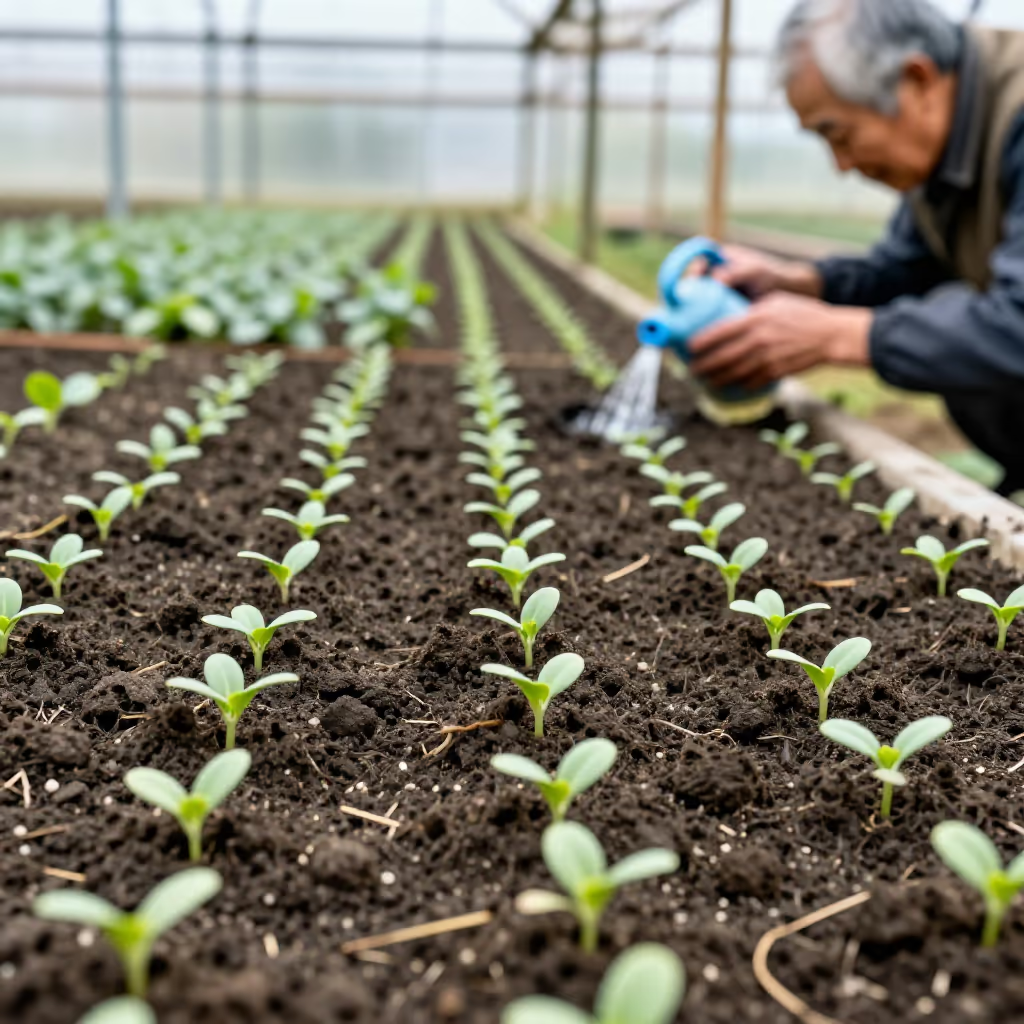
You can easily recognize the meaning of 'Auflauf' from the context. If it is about cooking, it means the dish. If people, a street, or the police are mentioned, it means a crowd. In the context of agriculture or gardening, it refers to the germination of plants.
EXAMPLE
Für den Auflauf brauchst du eine große Form.
You need a large baking dish for the casserole.
Typical collocations
In a culinary context, 'Auflauf' is often combined with its main ingredients. Very common examples are 'Nudelauflauf' (pasta casserole), 'Kartoffelauflauf' (potato casserole), and 'Gemüseauflauf' (vegetable casserole).
EXAMPLE
Am Sonntag mache ich einen großen Kartoffelauflauf für die ganze Familie.
On Sunday, I'm making a large potato casserole for the whole family.
Register
The meaning 'germination of seed' is technical language from agriculture and horticulture. You will rarely hear this use in normal everyday life.
EXAMPLE
Der Landwirt prüft den Auflauf seiner Maissaat.
The farmer checks the emergence of his corn seed.
Compare with
confusable
Auflauf vs Versammlung
assembly / meeting
'die Versammlung' and 'der Auflauf' can both describe a group of people in one place. The difference lies in the order and purpose. A 'Versammlung' is planned and usually has a topic, a goal, or someone leading it. An 'Auflauf' tends to form spontaneously, for example because something has happened and many people stop to look. 'Auflauf' often suggests crowding, a stir, or a disturbance. Learners may confuse the words because both can refer to many people. For an organized meeting, say 'Versammlung'; for an unplanned crowd, 'Auflauf' is more likely.
Auflauf
Nach dem kleinen Unfall bildete sich schnell ein Auflauf vor dem Supermarkt.
After the minor accident, a crowd quickly formed in front of the supermarket.
Versammlung
Am Montag nimmt meine Mutter an einer Versammlung der Hausgemeinschaft teil.
On Monday, my mother is taking part in a residents' association meeting.