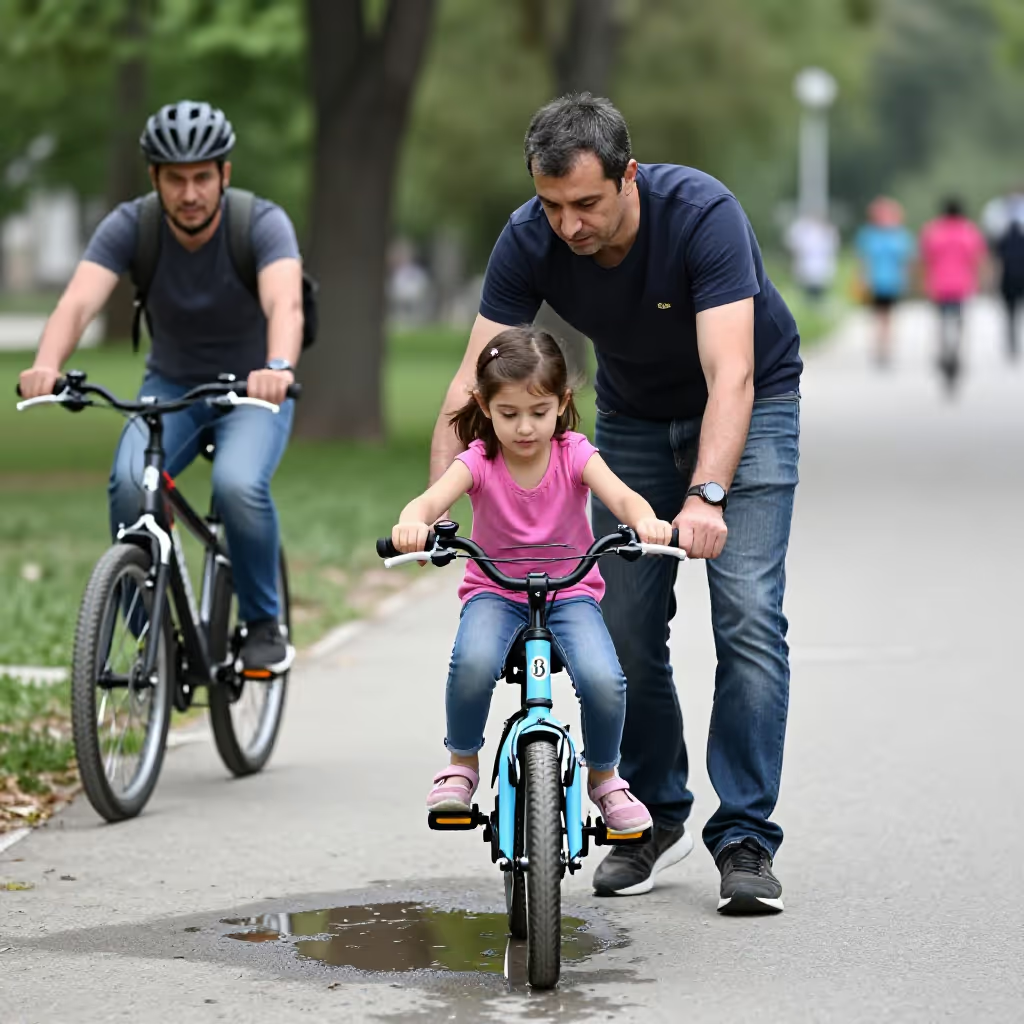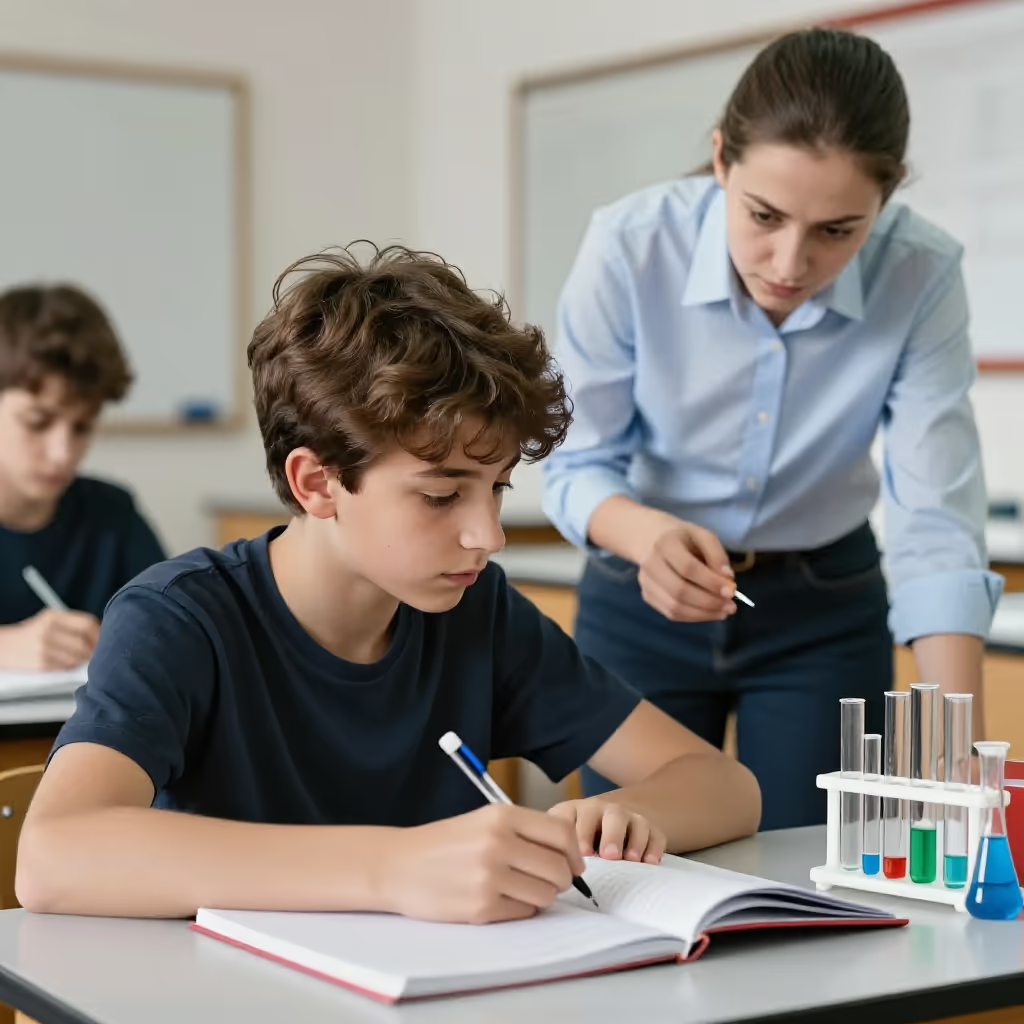
aufpassen
to pay attention
To direct one's attention to something or someone so as not to miss anything or in order to learn something; to be focused.
Pass gut auf, ich erkläre es nur einmal.
Pay close attention; I will explain it only once.
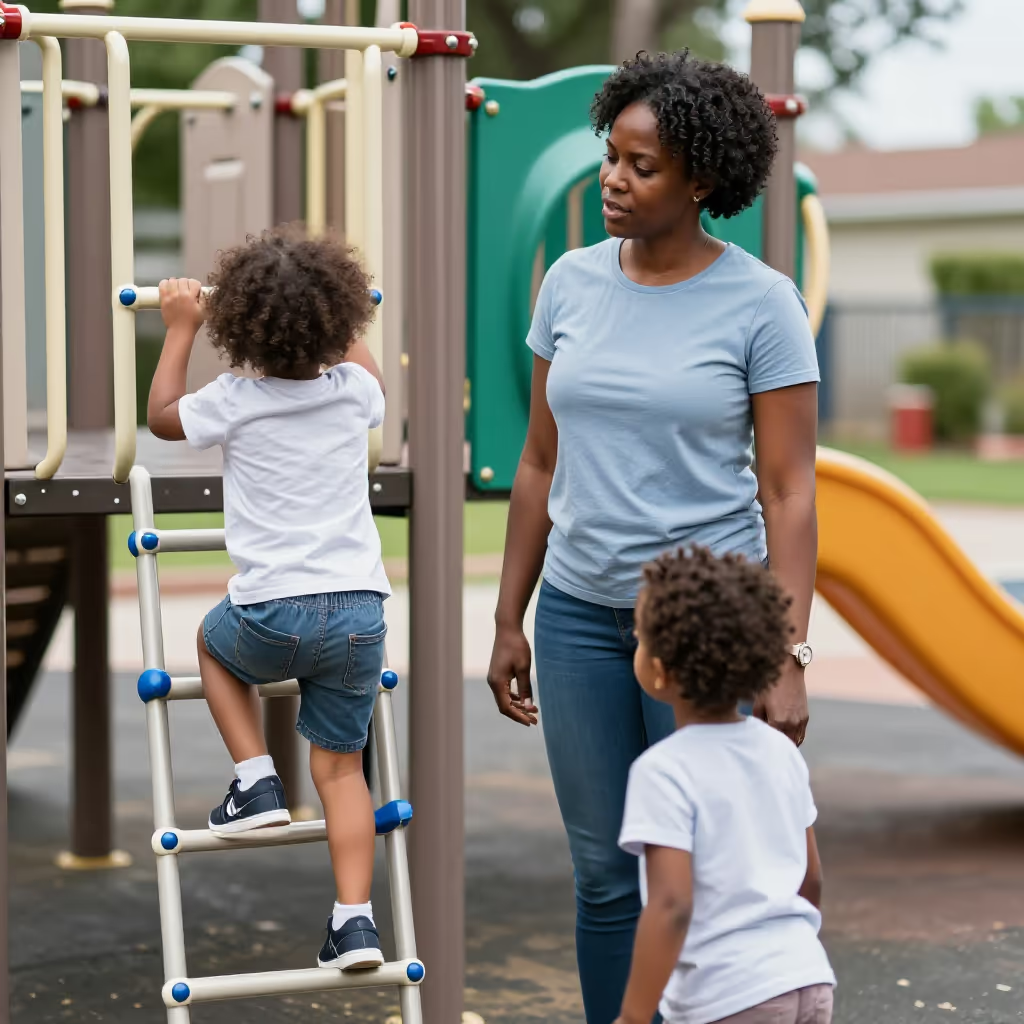
to pay attention / watch out
Loading your saved state.
to pay attention
To direct one's attention to something or someone so as not to miss anything or in order to learn something; to be focused.
Pass gut auf, ich erkläre es nur einmal.
Pay close attention; I will explain it only once.

'Aufpassen' is a separable verb. In a main clause, the prefix 'auf' goes at the end. In subordinate clauses and in the infinitive with 'zu' (to), the verb stays together.
Ich passe im Unterricht immer gut auf.
I always pay close attention in class.
The imperative 'Pass auf!' can mean two things: 'Pay attention!' or 'Watch out!'. The situation and tone of voice make clear which meaning is intended.
Pass auf, diese Aufgabe ist schwierig.
Pay attention; this exercise is difficult.
When 'aufpassen' means to take care of someone or something, it is always used with the preposition 'auf' and the accusative.
Meine Nachbarin passt oft auf meine Katze auf.
My neighbor often looks after my cat.
To say what someone should watch out for, a subordinate clause with 'dass' (that) is often used. This specifies the danger or possible mistake.
Pass auf, dass du nicht auf dem nassen Boden ausrutschst.
Watch out that you don't slip on the wet floor.
to sleep
'schlafen' and 'aufpassen' are opposites here when 'schlafen' is meant colloquially. In that case, 'schlafen' means that someone is inattentive or does not notice something. 'aufpassen', by contrast, means to direct your attention to something and be focused. In school, at work, or in traffic, 'aufpassen' is used when you do not want to miss anything or make a mistake. In this meaning, 'schlafen' sounds rather casual or reproachful, for example when someone does not react.

Im Labor musst du gut aufpassen, damit kein Fehler passiert.
In the lab, you have to pay close attention so that no mistakes happen.
Beim wichtigen Hinweis hat Tom geschlafen und danach die falsche Tür genommen.
Tom was asleep during the important instruction and then took the wrong door.