

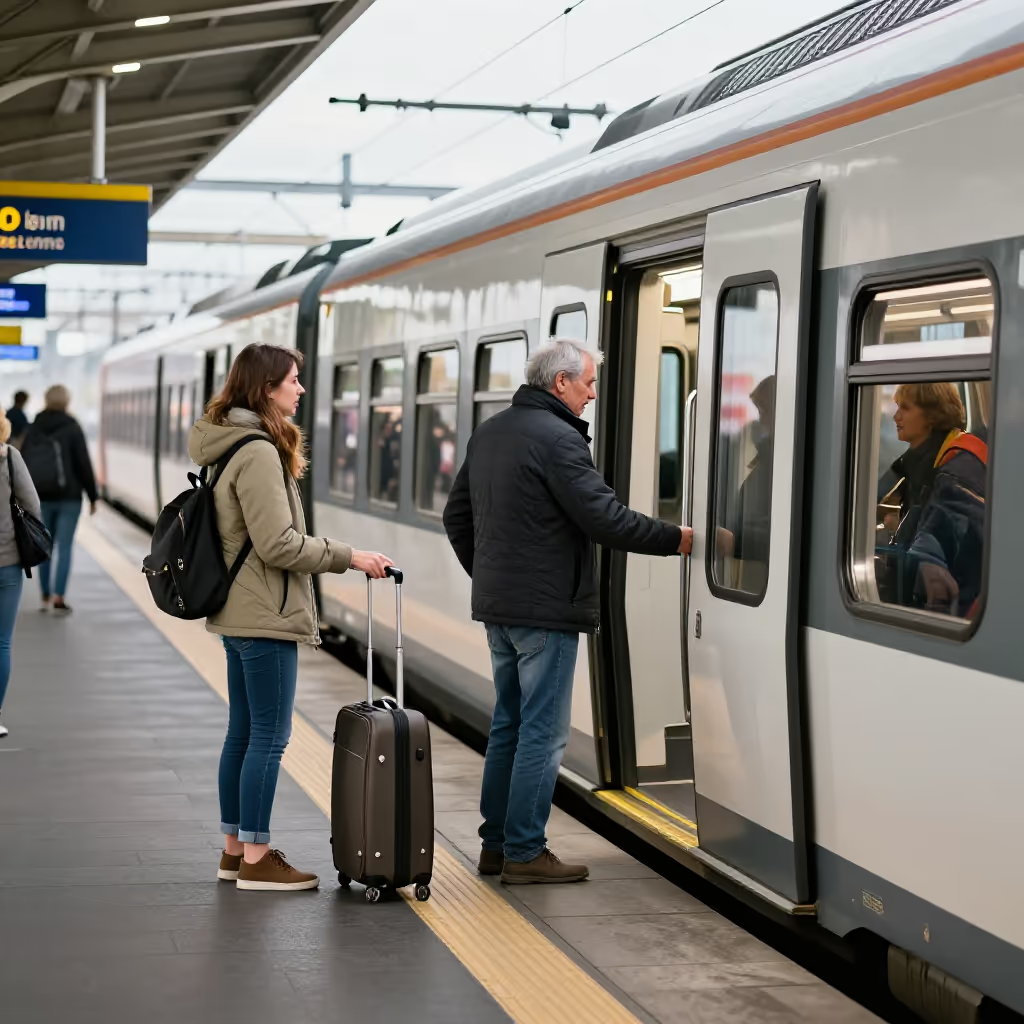
der Bahnsteig
platform
The raised area in a train station where trains stop and where passengers get on and off.
EXAMPLE
Der Zug nach Berlin fährt heute von Bahnsteig 7 ab.
The train to Berlin departs from platform 7 today.
platform
Loading your saved state.
platform
The raised area in a train station where trains stop and where passengers get on and off.
Der Zug nach Berlin fährt heute von Bahnsteig 7 ab.
The train to Berlin departs from platform 7 today.
The word is made up of 'Bahn' (short for railway) and 'Steig'. 'Steig' comes from the verb 'steigen' (to climb/step). So a 'Bahnsteig' (platform) is literally the place where you step up to get onto the train.
Passen Sie bitte auf die Lücke zwischen Zug und Bahnsteig auf.
Please mind the gap between the train and the platform.
Pay attention to the prepositions: You wait 'am Bahnsteig' (at the platform; dative, location). The train departs 'von Bahnsteig 5' (from platform 5; dative, origin) and arrives 'an Bahnsteig 3' (at platform 3; dative, destination).
Wir treffen uns in zehn Minuten am Bahnsteig.
We'll meet at the platform in ten minutes.
In Switzerland and partly also in Austria, the word 'der Perron' (platform) is often used instead of 'Bahnsteig' (platform), especially in official announcements at the train station.
In der Schweiz wartet man auf dem Perron auf den Zug.
In Switzerland, people wait for the train on the platform.
platform
Plattform and Bahnsteig can both refer to a raised, flat surface. For the area at a train station, Bahnsteig is the usual and clear term in standard German; in that situation, Plattform can at most refer generally to a raised structure and sounds unusual. When talking about trains, use Bahnsteig.
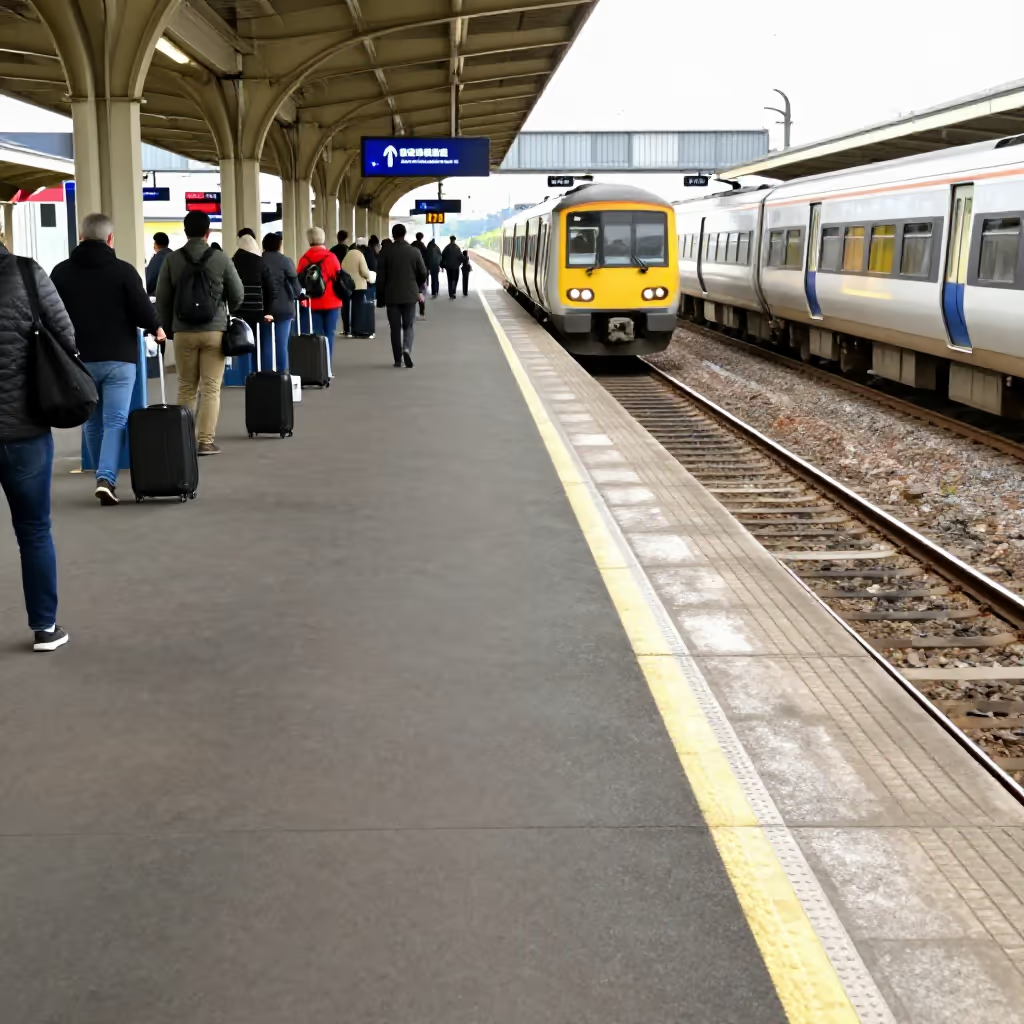
Die Fahrgäste warteten auf dem Bahnsteig auf den Zug.
The passengers waited on the platform for the train.
Die alte Plattform am Gleis war nur eine erhöhte Fläche und kein üblicher Bahnsteig.
The old platform beside the tracks was just a raised surface, not a standard train platform.