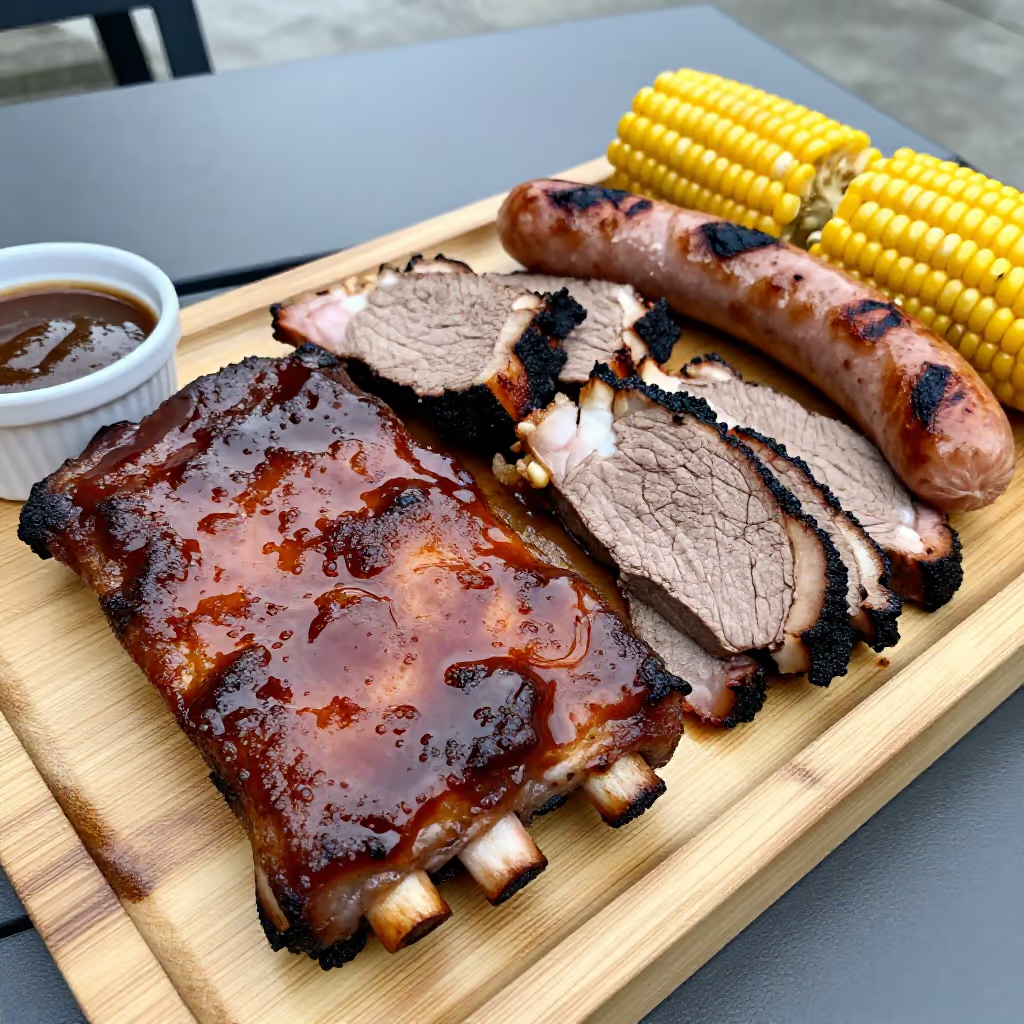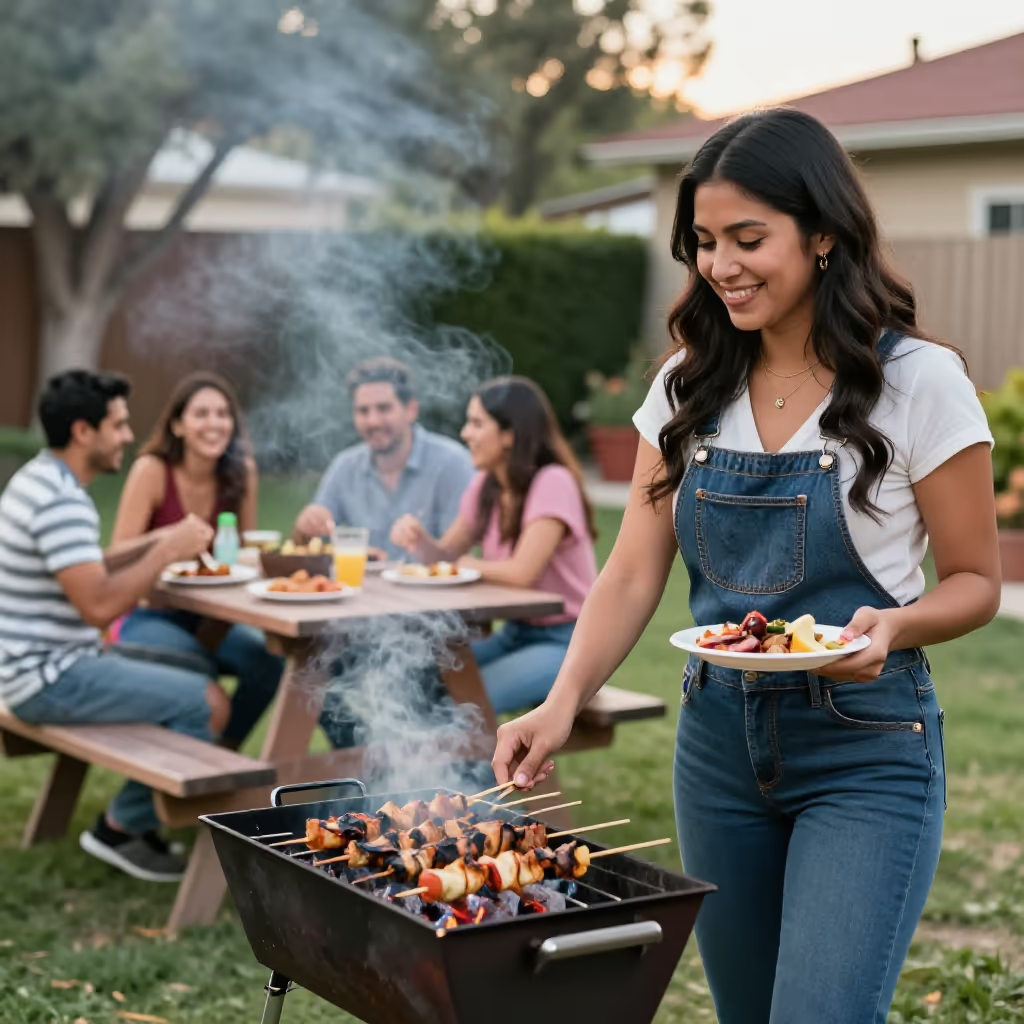
An outdoor social event at which food, usually meat, is prepared and eaten on a grill or over an open fire. It is comparable to a cookout or grill party.
example
Am Wochenende veranstalten wir ein großes Barbecue für alle Freunde und Nachbarn.
This weekend we're hosting a big barbecue for all our friends and neighbors.
Usage tips
English loanword
'Barbecue' is a word from English. In German it has the neuter article 'das'. The pronunciation is based on English.
EXAMPLE
Wir haben ein neues Barbecue für den Garten gekauft.
We bought a new barbecue for the garden.
Context clue
You can recognize the meaning of 'Barbecue' from the verb: you 'veranstaltet' (host) a barbecue (event), you 'kauft' (buy) a barbecue (device), and you 'isst' (eat) barbecue (food).
EXAMPLE
Wir machen am Samstag ein Barbecue.
We're having a barbecue on Saturday.
Typical collocations
When the event is meant, 'Barbecue' is often used with verbs such as 'machen' (to have/do), 'veranstalten' (to host), 'organisieren' (to organize), or 'zu einem Barbecue einladen' (to invite someone to a barbecue).
EXAMPLE
Meine Nachbarn haben mich zu einem Barbecue eingeladen.
My neighbors invited me to a barbecue.
Compare with
synonym · confusable
Barbecue vs Grill
grill
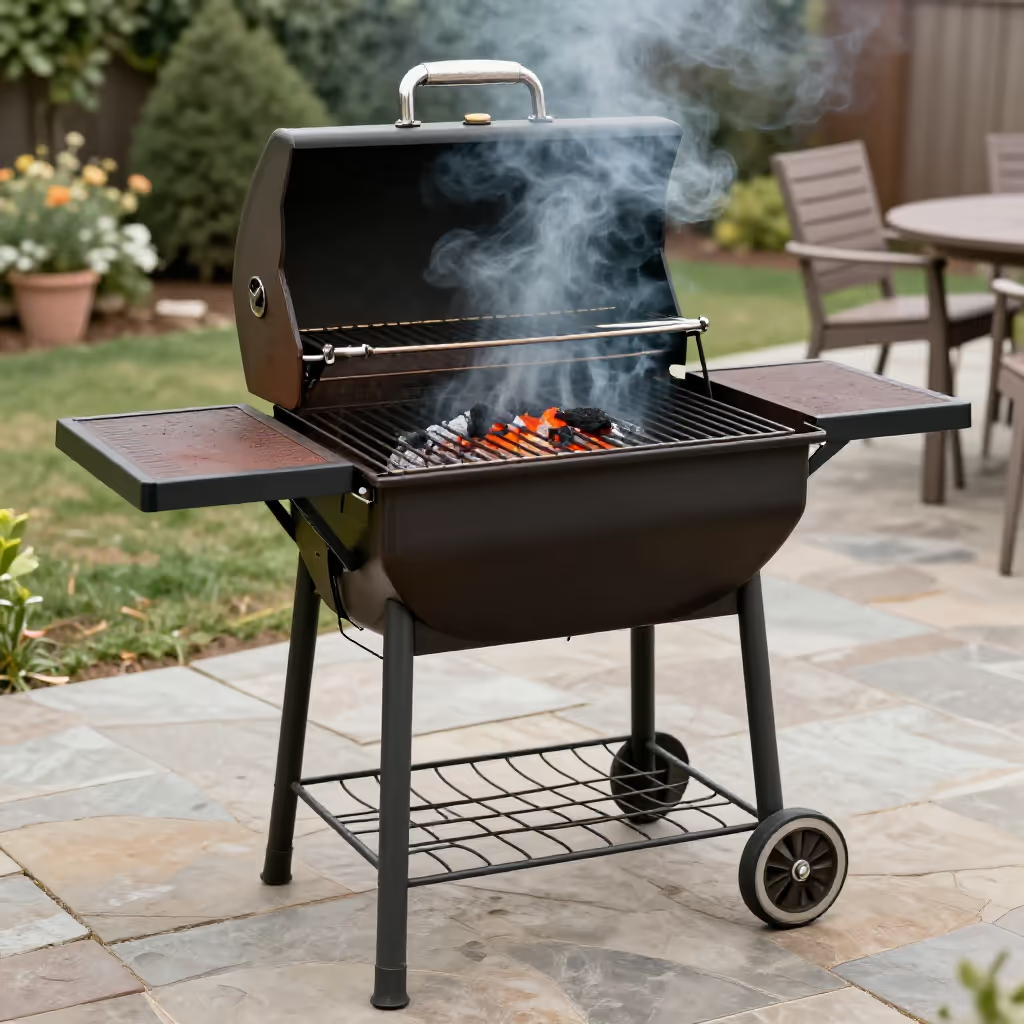
'der Grill' and 'das Barbecue' can both have to do with outdoor eating and grilled food. As a device, 'Barbecue' can mean something similar to 'Grill', but in German, 'Grill' is much more normal for this. 'Barbecue' often refers more to the event or the type of food, especially when meat is cooked slowly and served with sauce. Learners may confuse the words because they occur in the same situation. In practice: the device is usually called 'Grill', while the party or the food can be called 'Barbecue'.
Barbecue
Am Samstag machen wir ein Barbecue mit Nachbarn und Freunden.
On Saturday we're having a barbecue with neighbors and friends.
Grill
Nach dem Regen stellte Max den Grill wieder auf die Terrasse.
After the rain, Max put the grill back on the patio.