

behaart
hairy
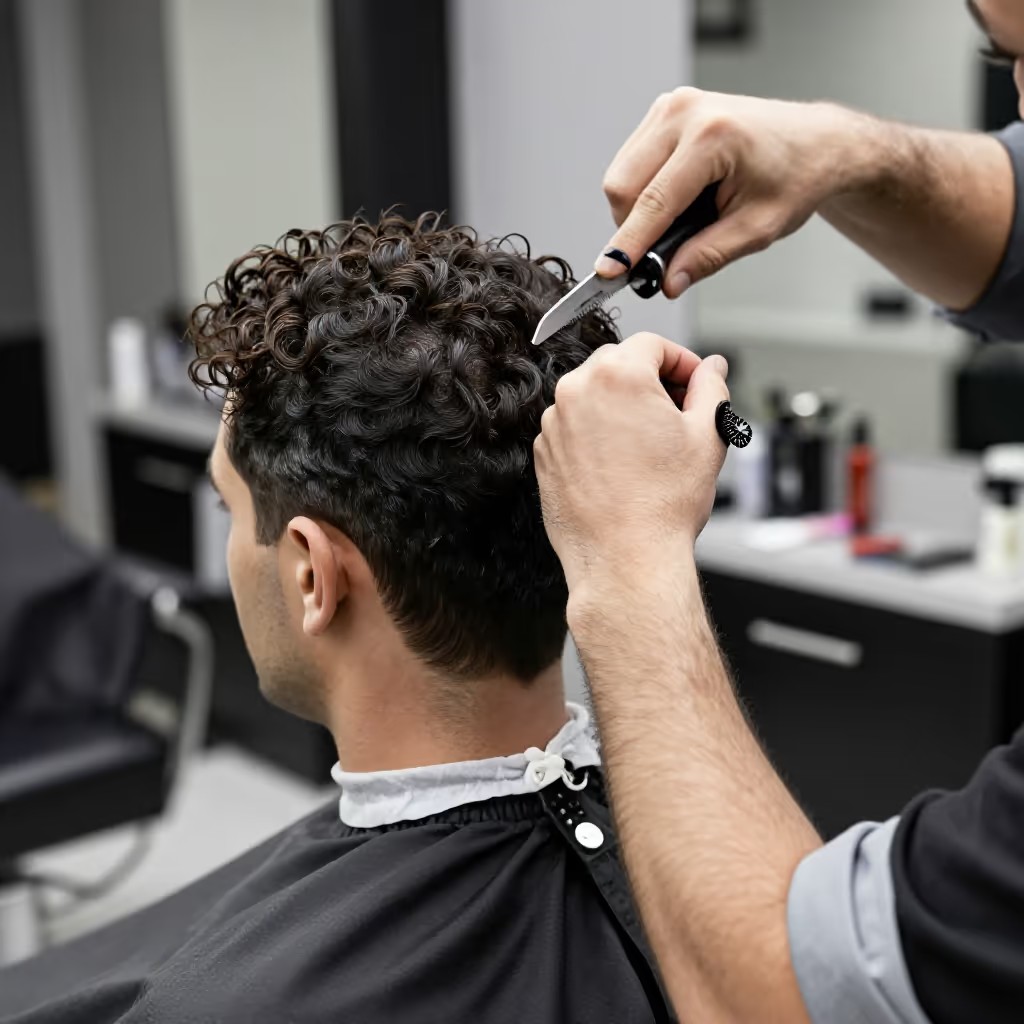
Covered with hair or grown over with hair. Often refers to body parts of humans or the fur of animals.
EXAMPLE
Er hat eine stark behaarte Brust.
He has a very hairy chest.
hairy
Loading your saved state.
hairy
Covered with hair or grown over with hair. Often refers to body parts of humans or the fur of animals.
Er hat eine stark behaarte Brust.
He has a very hairy chest.
hairy
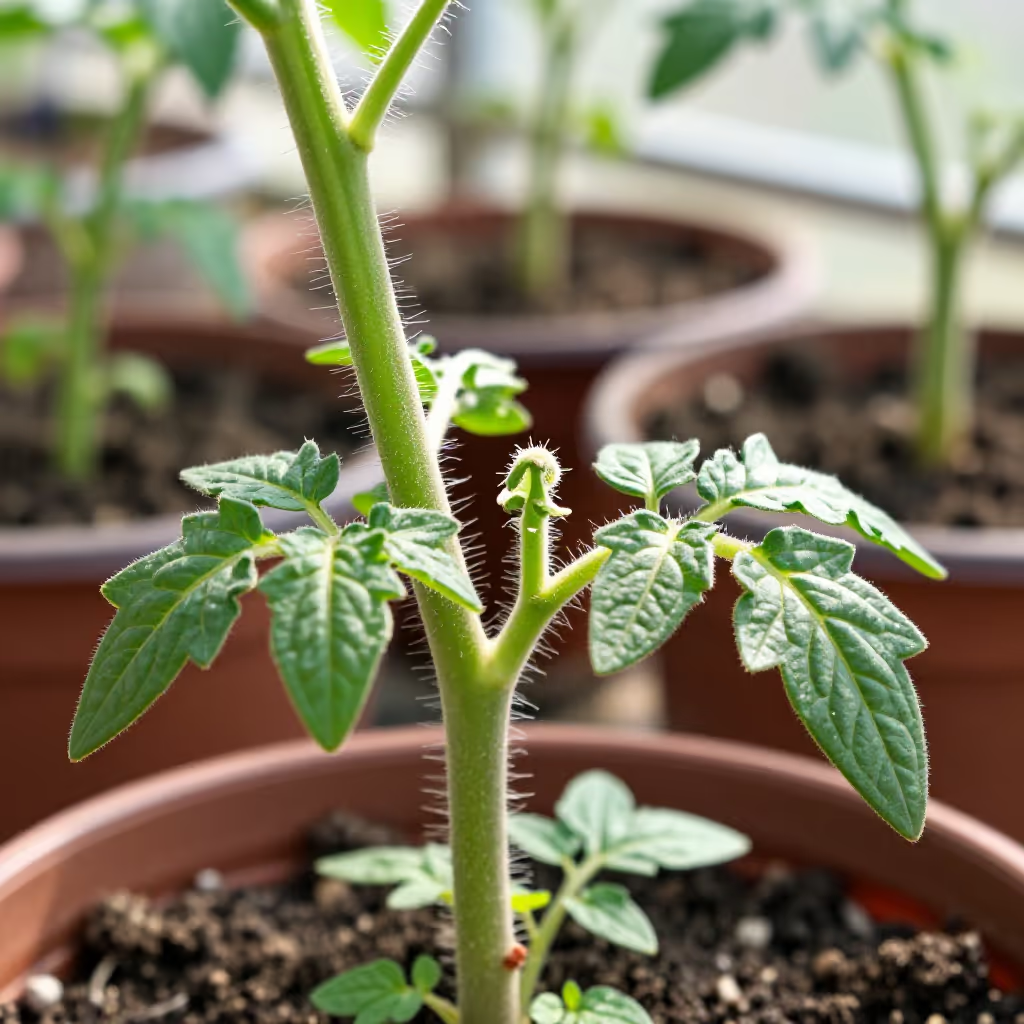
In botany, the term for plants or plant parts that are covered with fine hairs (trichomes).
Die Blätter dieser Pflanze fühlen sich weich an, weil sie fein behaart sind.
The leaves of this plant feel soft because they are finely hairy.
The word is derived from the noun 'das Haar' (hair). The prefix 'be-' describes that something is provided with hair. You can remember it as 'covered with hair.'
Seine Arme sind stark behaart.
His arms are very hairy.
When talking about people or animals, 'behaart' (hairy) is often described more precisely with adverbs such as 'stark' (heavily), 'schwach' (lightly), 'dicht' (densely), or 'kaum' (hardly).
Der Hund hat einen dicht behaarten Schwanz.
The dog has a densely hairy tail.
In botany, 'behaart' (hairy) is a technical term used to describe plant surfaces. You can recognize this meaning from the context of leaves, stems, or fruits.
Die Unterseite des Blattes ist weich und behaart.
The underside of the leaf is soft and hairy.
hairy
Behaart and haarig can both express that a person or part of the body is covered with hair. Behaart describes this property in a factual way. Haarig often emphasizes the visible hairiness more strongly and can therefore sound more noticeable or evaluative.
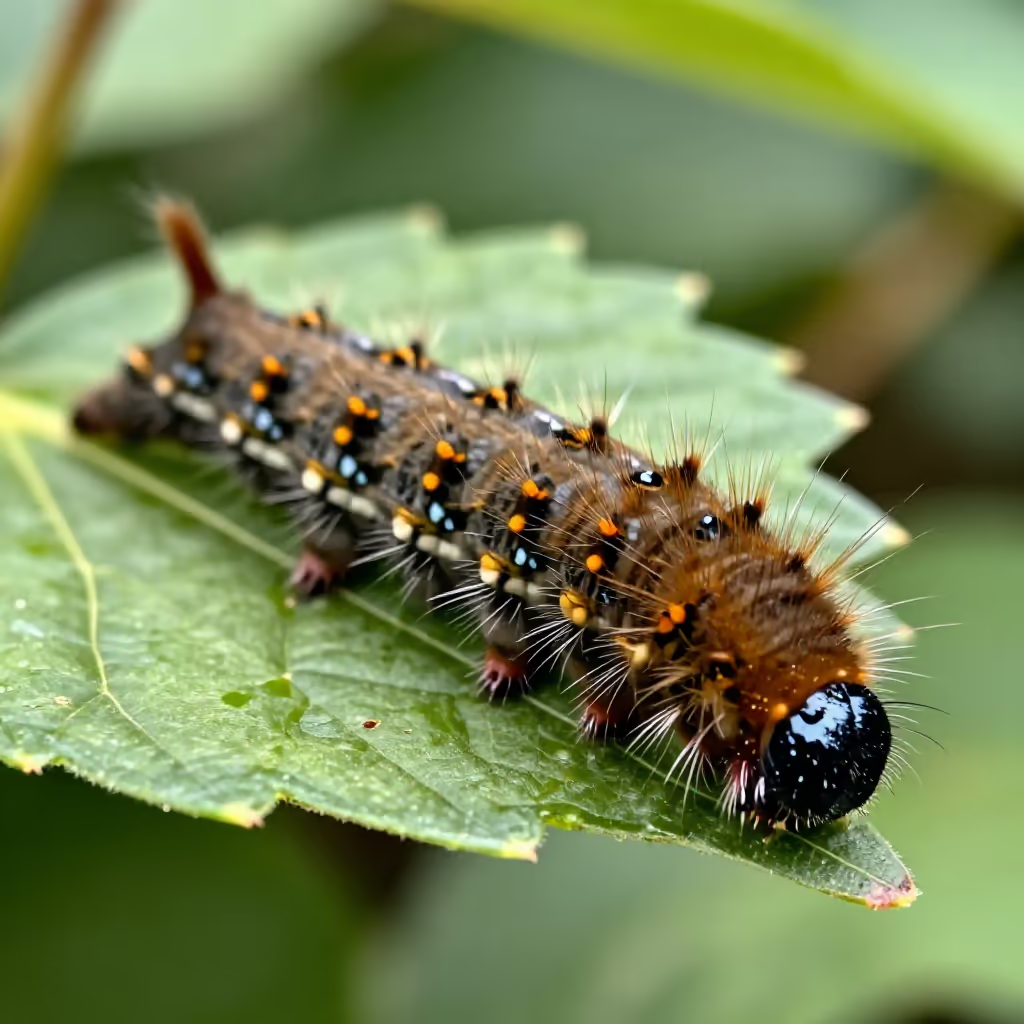
Seine Arme sind leicht behaart.
His arms are slightly hairy.
Seine Arme sind auffällig dicht und haarig.
His arms are noticeably thickly covered with hair.