


der Break
break
A short pause or interruption from an activity in order to recover.
EXAMPLE
Lass uns einen kurzen Break machen und einen Kaffee trinken.
Let's take a short break and have a coffee.
break
Loading your saved state.
break
A short pause or interruption from an activity in order to recover.
Lass uns einen kurzen Break machen und einen Kaffee trinken.
Let's take a short break and have a coffee.
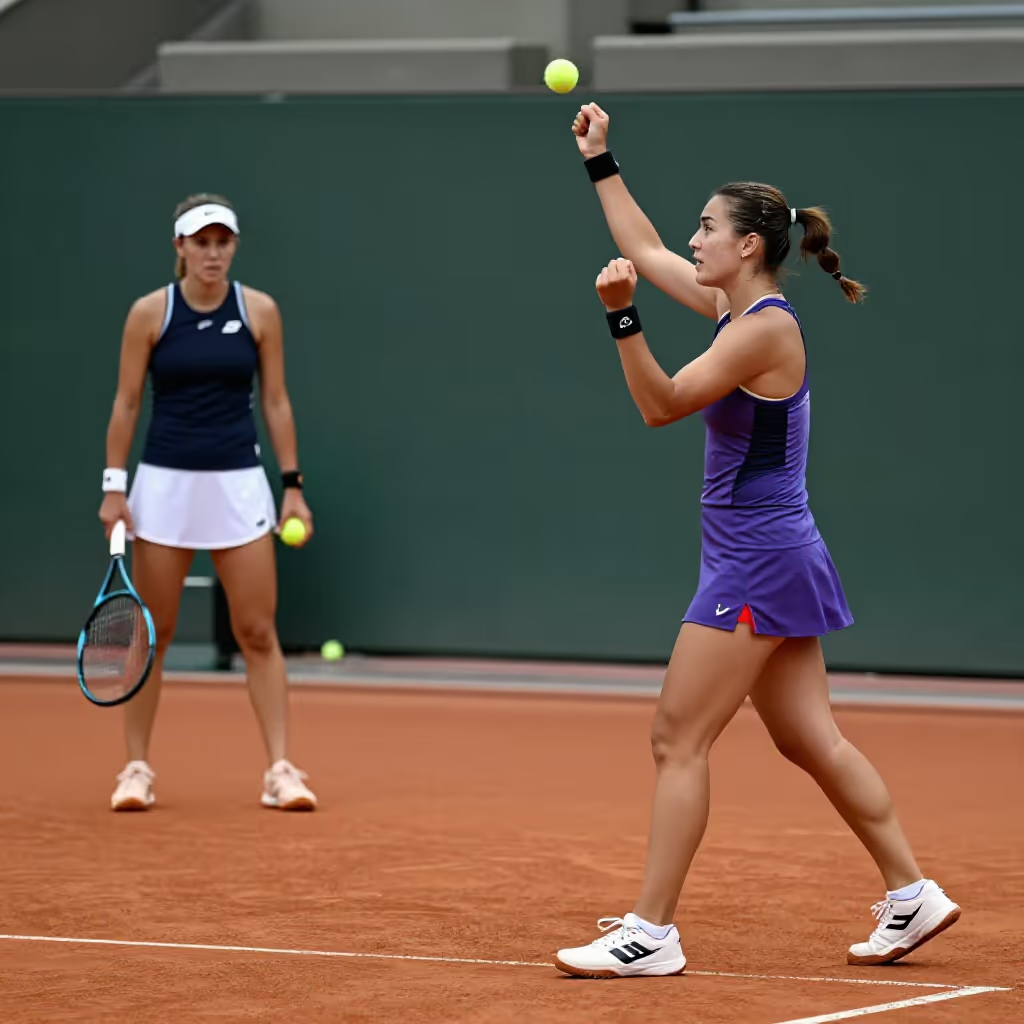
break
In tennis, winning a game when the opponent is serving.
Mit diesem Break hat sie die große Chance, den Satz für sich zu entscheiden.
With this break, she has a great chance to win the set.
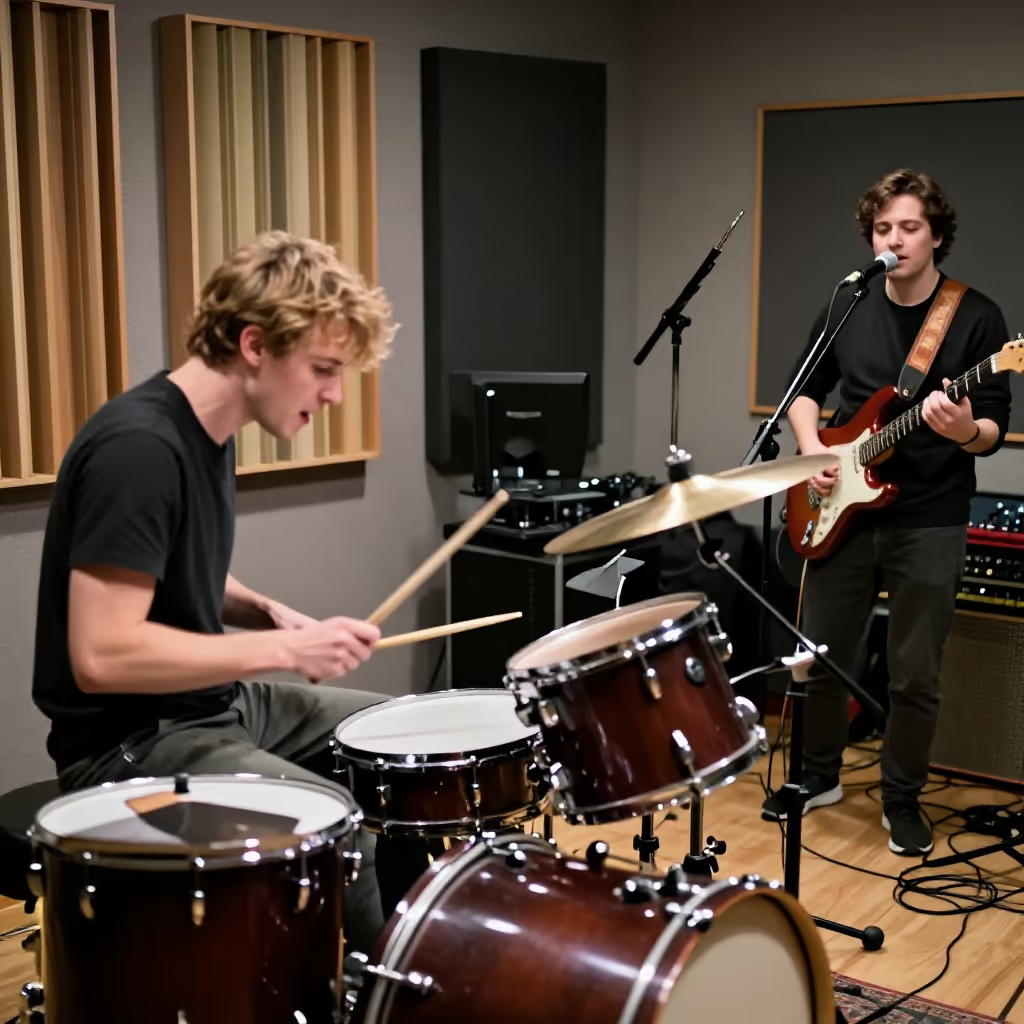
break
In music, a short instrumental or rhythmic part of a piece in which the melody or vocals pause.
Der DJ wartete auf den Break, um den nächsten Track einzumischen.
The DJ waited for the break to mix in the next track.
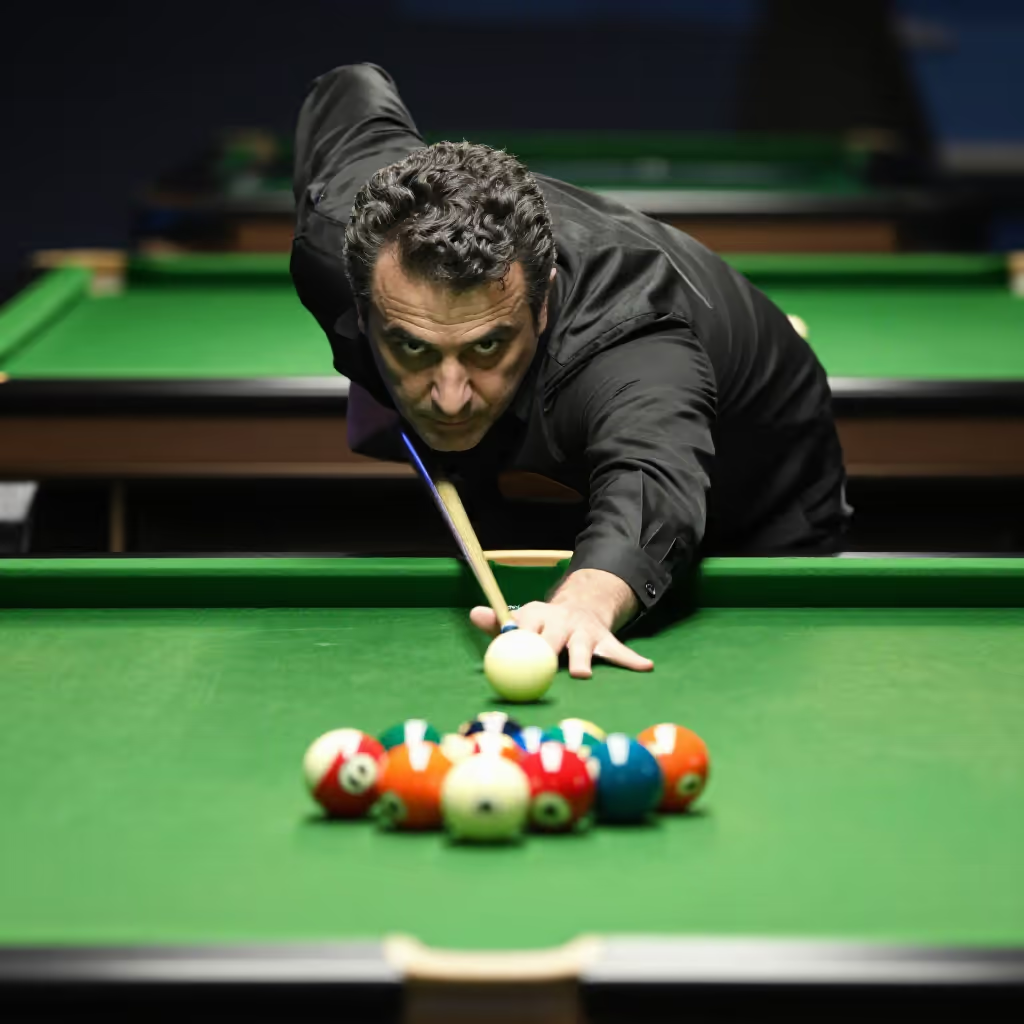
break
In billiards or pool, the first shot of a game, which scatters the racked balls.
Sein Break war so kräftig, dass zwei Kugeln direkt fielen.
His break was so powerful that two balls went in right away.
'Break' is an English loanword that is used mainly in colloquial language and in certain scenes or contexts, such as sports, music, and the office. It sounds modern and informal.
Ich arbeite schon drei Stunden, ich brauche jetzt echt mal einen Break.
I've been working for three hours; I really need a break now.
The exact meaning of 'Break' is almost always clear from the context. If you're talking about work, it means a pause. In a conversation about tennis, it refers to winning a game, and in music to a rhythmic pause.
Der entscheidende Moment im Match war das Break im zweiten Satz.
The decisive moment in the match was the break in the second set.
In the meaning of 'Pause' (break), 'Break' is very often combined with the verbs 'machen' (to make/do) or 'einlegen' (to insert/take). A typical question at the office or among friends is: 'Machen wir einen kurzen Break?' (Shall we take a short break?)
Wir sollten nach dieser Besprechung einen kleinen Break einlegen.
We should take a short break after this meeting.
In tennis, people say that a player 'ein Break schafft' (manages a break) or that 'ein Break gelingt' (a break succeeds) for them. The opponent who loses their service game 'kassiert ein Break' (concedes a break).
Ihr gelang im letzten Moment noch das Break zum Satzgewinn.
She managed the break at the last moment to win the set.
break / pause
Pause and Break can both refer to the same short interruption for rest. Pause is the neutral term in standard German; Break is an informal anglicism and is more suitable for casual conversations or messages.

Im lockeren Teamchat bittet Mia um einen kurzen Break.
In the casual team chat, Mia asks for a short break.
In der offiziellen Besprechung bittet Mia um eine kurze Pause.
During the official meeting, Mia asks for a short break.