

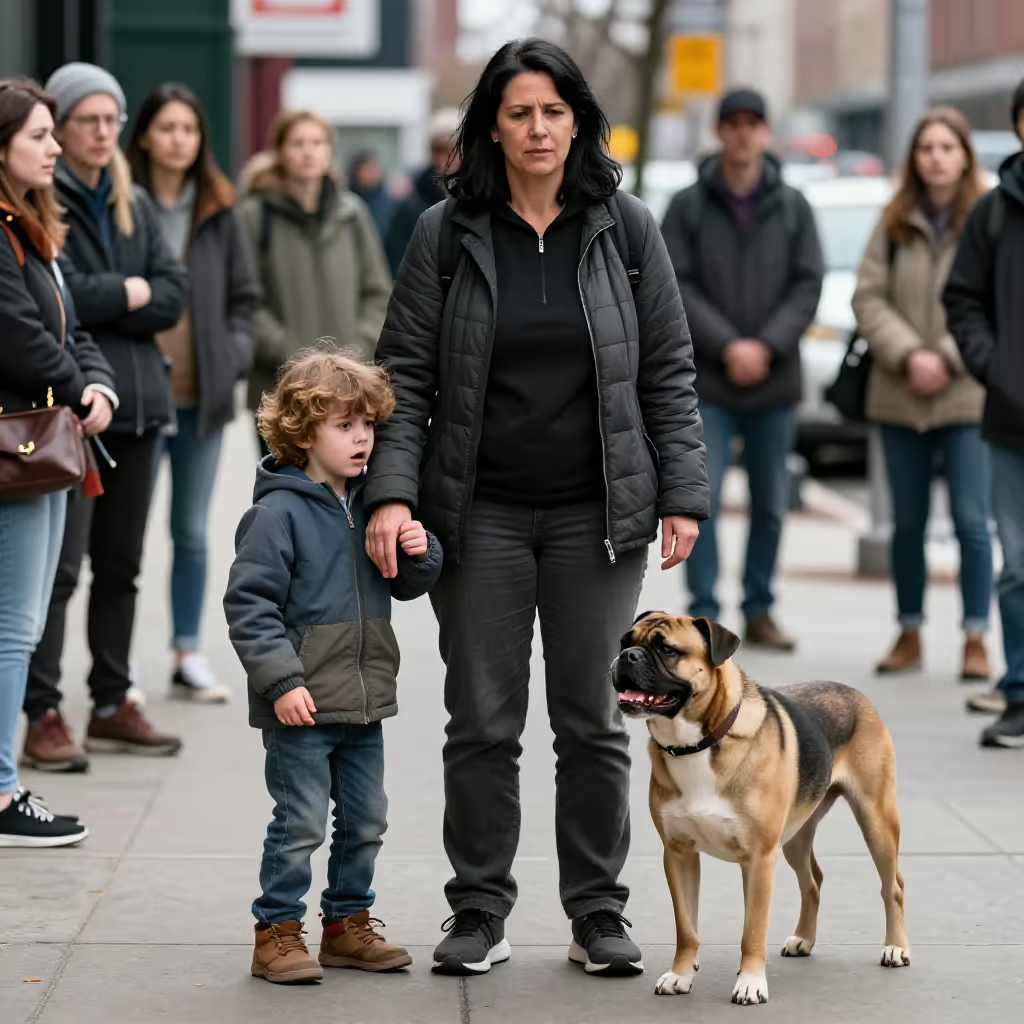
The inner strength and willingness to face a difficult, dangerous, or unpleasant situation without showing fear; bravery.
example
Sie hatte die Courage, öffentlich gegen die Ungerechtigkeit zu protestieren.
She had the courage to protest publicly against the injustice.
Usage tips
Sentence structure with infinitive
The word is very often used in the construction 'die Courage haben, etwas zu tun' (to have the courage to do something). It is followed by an infinitive clause with 'zu' (to).
EXAMPLE
Nur wenige hatten die Courage, dem Chef zu widersprechen.
Only a few had the courage to contradict the boss.
Typical collocations
Common verbs that are combined with 'Courage' (courage) are 'Courage haben' (to have courage), 'Courage zeigen' (to show courage), and 'Courage beweisen' (to prove/show courage).
EXAMPLE
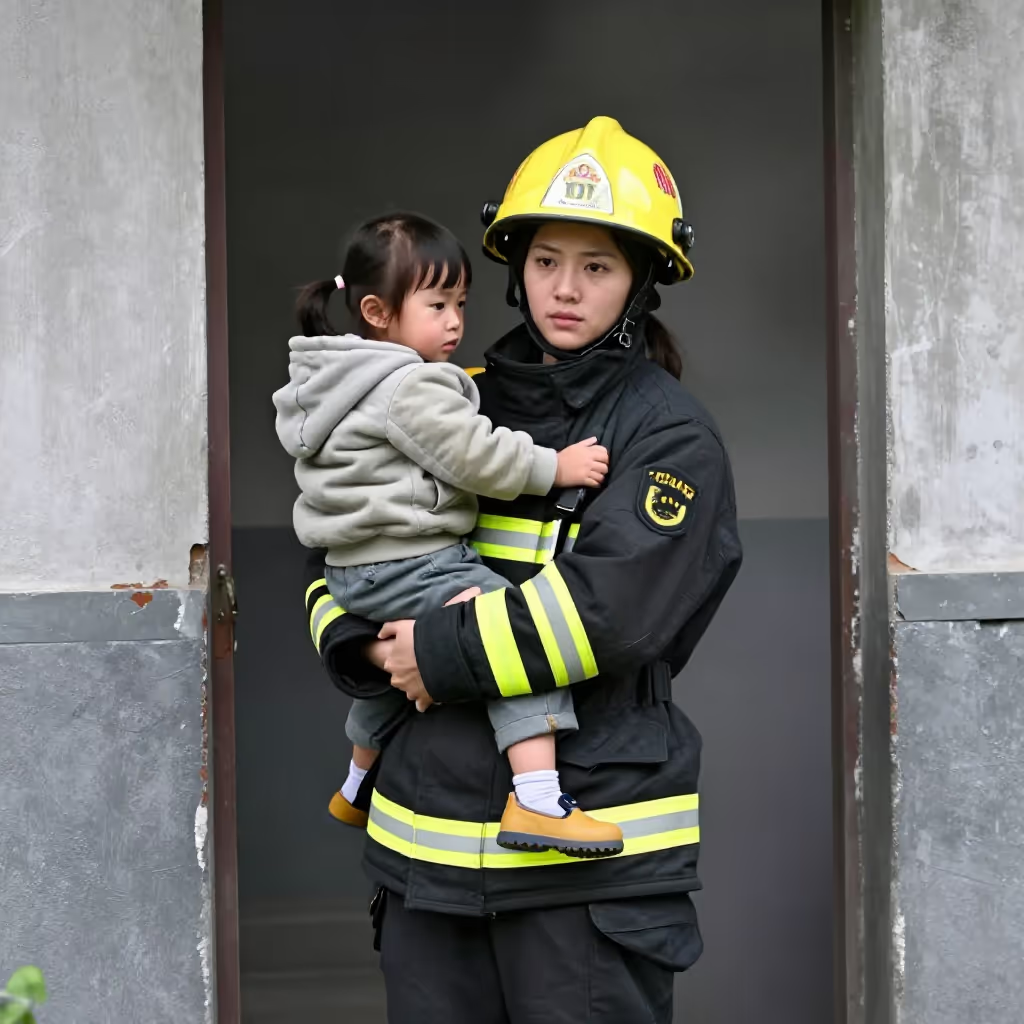
In dieser gefährlichen Situation hat sie wirklich Courage bewiesen.
In this dangerous situation, she really showed courage.
Important compound
A very important word formed with 'Courage' (courage) is 'die Zivilcourage' (moral courage/civic courage). It describes the courage to stand up for social values and for other people in everyday situations.
EXAMPLE
Der Mann zeigte Zivilcourage, als er der Frau im Bus half.
The man showed moral courage when he helped the woman on the bus.
Compare with
antonym
Courage vs Angst
fear
'die Angst' and 'die Courage' are clear opposites. 'Angst' is the unpleasant feeling that something is dangerous or threatening. 'Courage' means the inner strength to act anyway or to endure a difficult situation. You can be afraid and still show courage. 'Courage' is especially fitting when someone bravely says or does something even though it is not easy.
Courage
Es braucht Courage, vor der ganzen Klasse die eigene Meinung zu sagen.
It takes courage to express your own opinion in front of the whole class.