

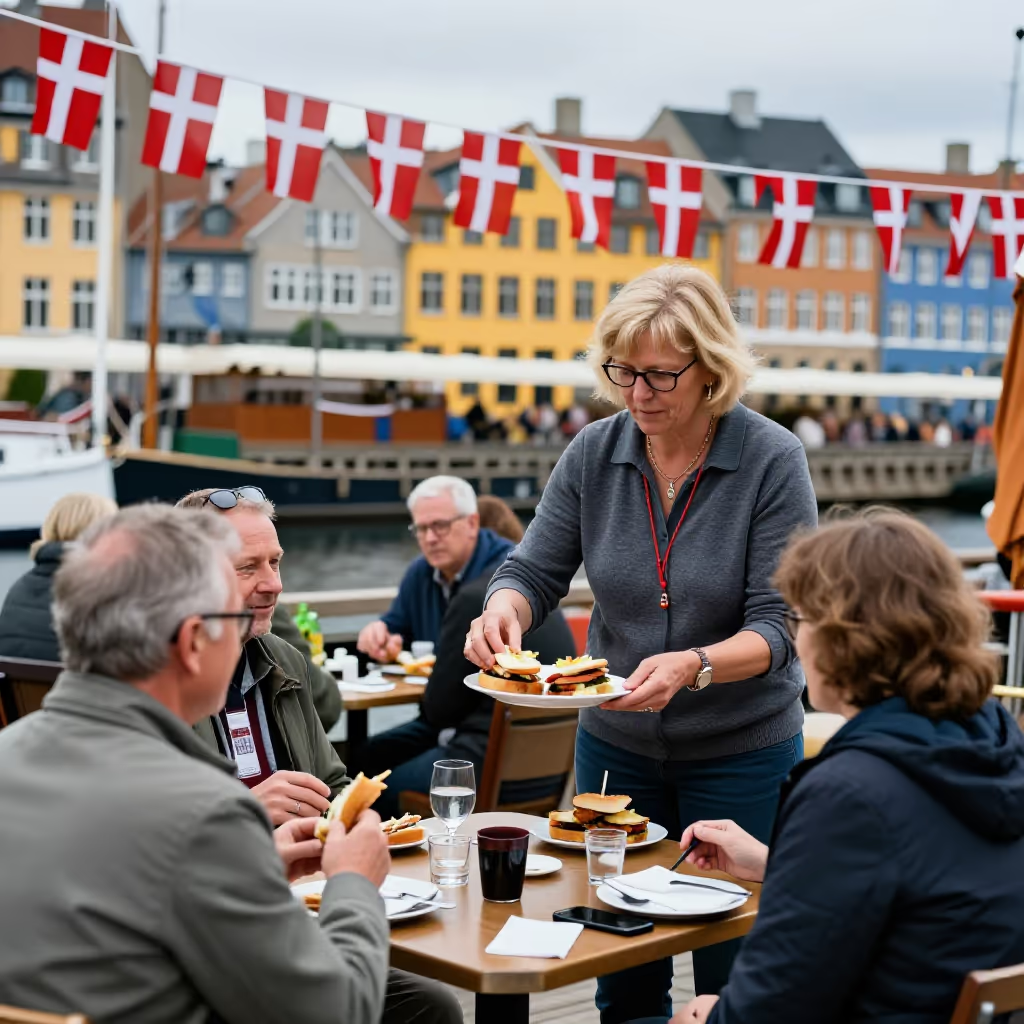
dänisch
Danish
Relates to Denmark, its people, its culture, or its language.
EXAMPLE
Die dänische Küste ist bekannt für ihre langen Sandstrände.
The Danish coast is known for its long sandy beaches.
Danish
Loading your saved state.
Danish
Relates to Denmark, its people, its culture, or its language.
Die dänische Küste ist bekannt für ihre langen Sandstrände.
The Danish coast is known for its long sandy beaches.
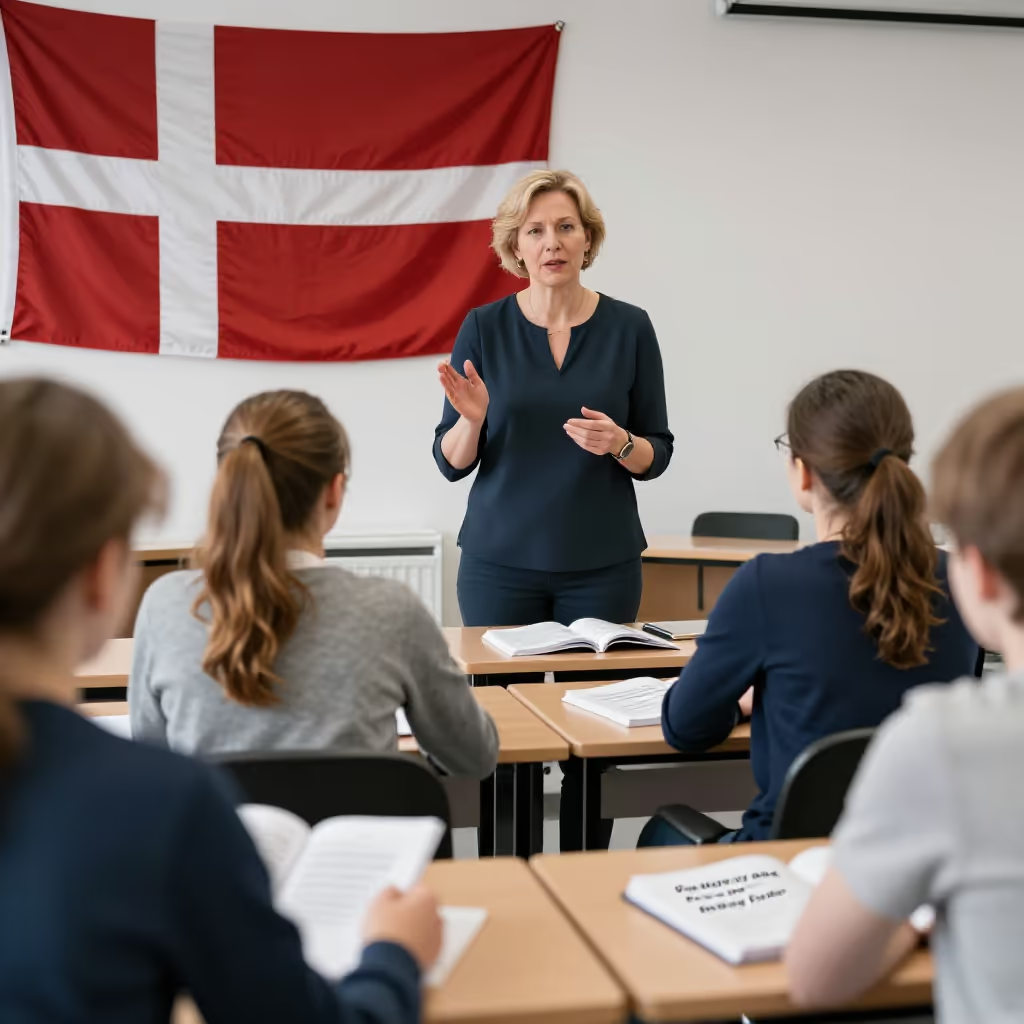
Danish
Refers to the Danish language. In this use, the adjective is used like a noun and capitalized.
Sie lernt Dänisch, weil sie in Kopenhagen studieren möchte.
She is learning Danish because she wants to study in Copenhagen.
This word has two forms with different meanings. Written with a lowercase letter, 'dänisch' is a normal adjective. Written with a capital letter, 'Dänisch' is used like a noun for the language.
Mir gefällt das dänische Möbeldesign sehr gut.
I really like Danish furniture design.
The ending '-isch' is often used in German to form adjectives from country or region names. It indicates belonging or origin.
Die dänische Königsfamilie ist in der Bevölkerung sehr beliebt.
The Danish royal family is very popular among the population.
When referring to the language, 'Dänisch' (Danish) is often combined with verbs such as 'lernen' (to learn), 'sprechen' (to speak), 'verstehen' (to understand), or 'übersetzen' (to translate). The phrase 'auf Dänisch' (in Danish) is also very common.
Können Sie diesen Text auf Dänisch zusammenfassen?
Can you summarize this text in Danish?