

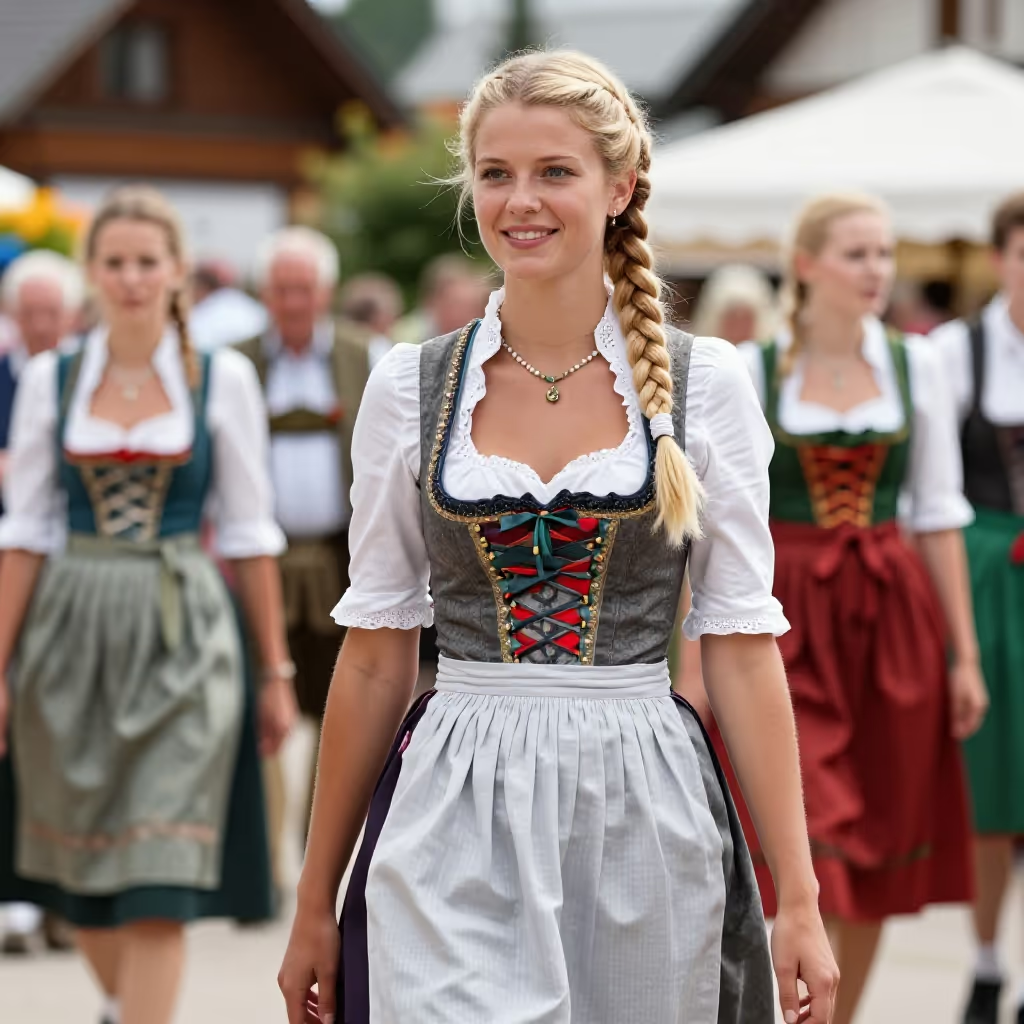
das Dirndl
dirndl
A traditional folk dress from southern Germany and Austria, consisting of a bodice, blouse, skirt, and apron.
EXAMPLE
Zum Oktoberfest tragen viele Frauen und Mädchen ein Dirndl.
Many women and girls wear a dirndl to Oktoberfest.
dirndl
Loading your saved state.
dirndl
A traditional folk dress from southern Germany and Austria, consisting of a bodice, blouse, skirt, and apron.
Zum Oktoberfest tragen viele Frauen und Mädchen ein Dirndl.
Many women and girls wear a dirndl to Oktoberfest.
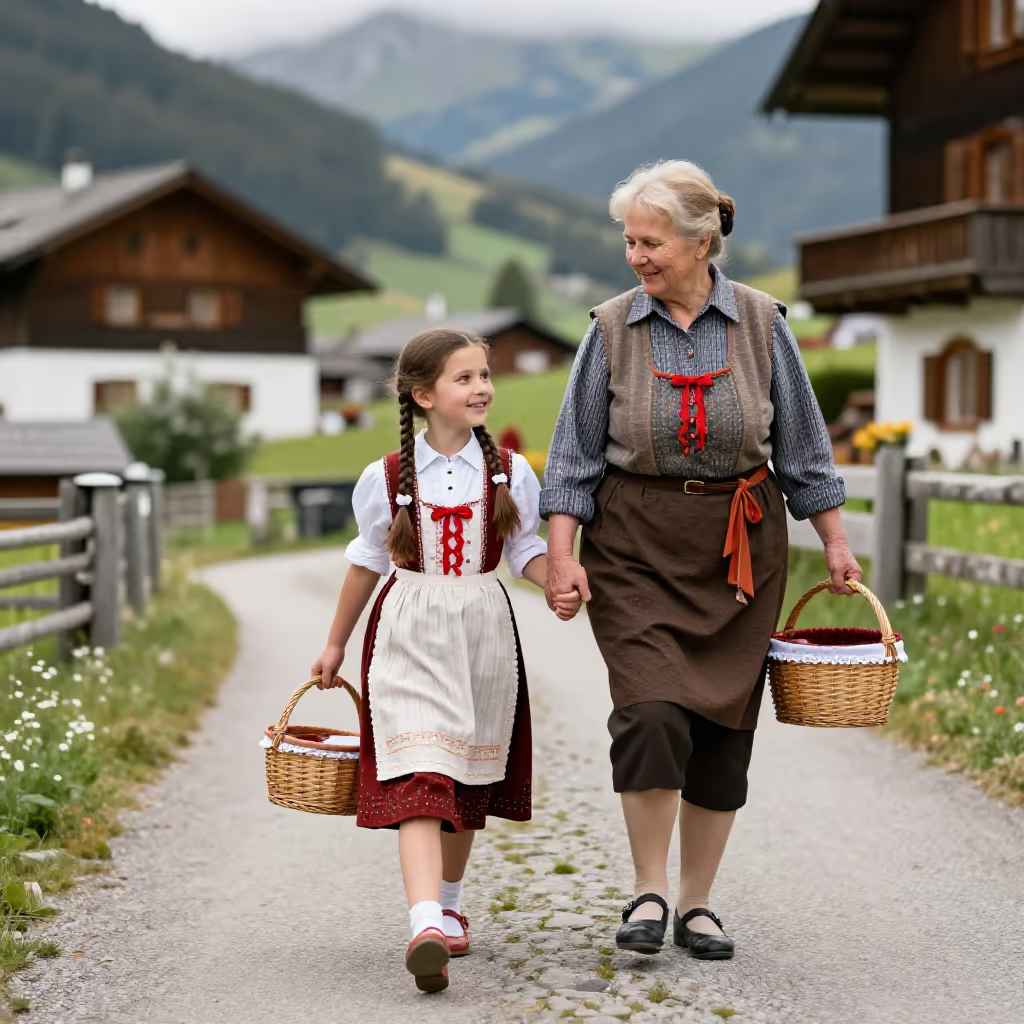
girl
An outdated term for a young girl, used mainly in Austria and Bavaria.
„Schau, was für ein fesches Dirndl!“, sagte der alte Bauer.
'Look, what a pretty girl!' said the old farmer.
The word 'Dirndl' is the southern German and Austrian diminutive form of 'Dirn', an old word for 'Mädchen' (girl) or 'Magd' (maid). This explains why it can refer both to a dress and, in outdated usage, to a girl.
Früher war es üblich, dass eine Dirn auf dem Bauernhof half.
In the past, it was common for a maid to help on the farm.
The dirndl is strongly associated with southern German, especially Bavarian, and Austrian culture. It is worn mainly at folk festivals such as Oktoberfest or on festive occasions.
Auf dem Oktoberfest sieht man fast überall bunte Dirndl.
At Oktoberfest, you see colorful dirndls almost everywhere.
A well-known custom is the position of the bow on the apron, which is supposed to signal the wearer's relationship status. A bow on the left means single; a bow on the right means taken.
Sie trägt die Schleife links, also ist sie wohl noch Single.
She is wearing the bow on the left, so she is probably still single.
The meaning 'Mädchen' (girl) is outdated today and is only rarely used in certain dialects, especially in Bavaria and Austria. In standard German, it almost always refers to the dress.
Der Großvater nannte seine Enkelin liebevoll „mein kleines Dirndl“.
The grandfather affectionately called his granddaughter 'mein kleines Dirndl' (my little girl).