

der Drug
drug
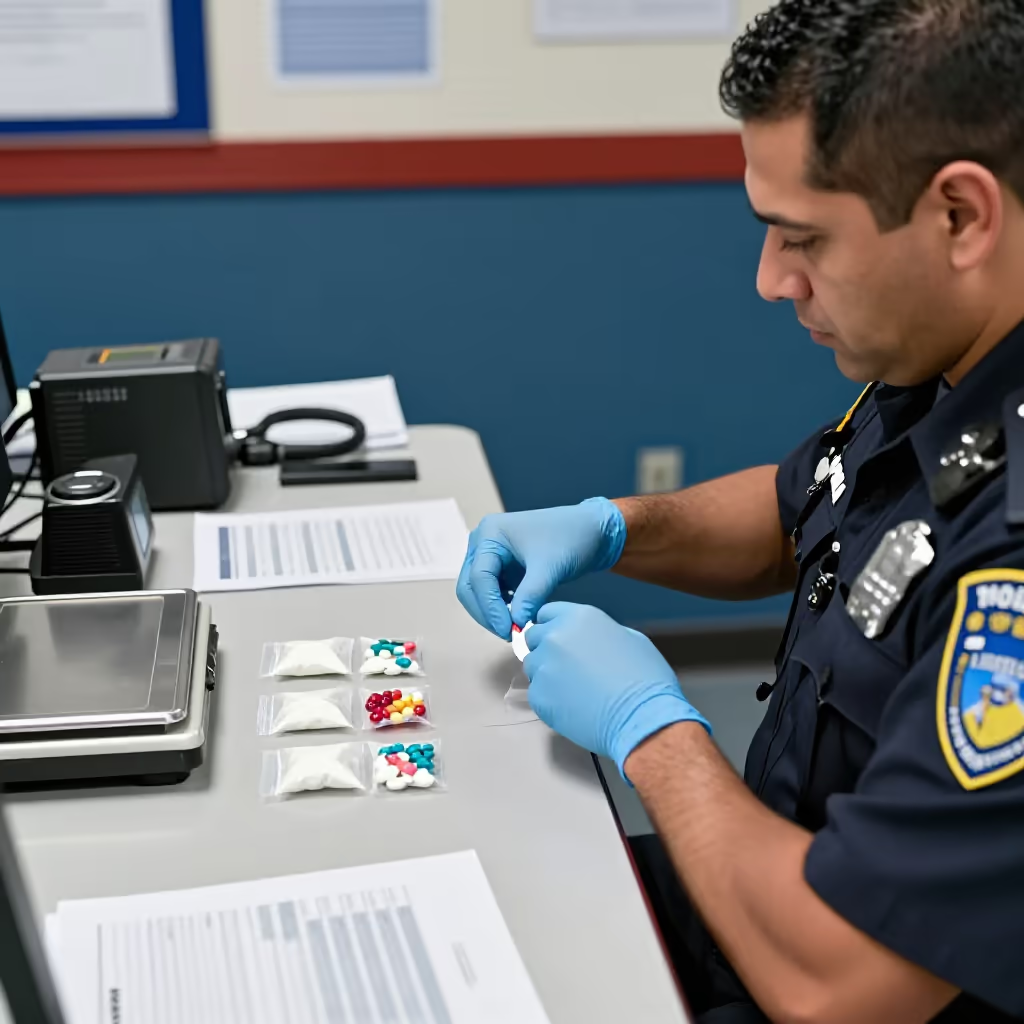
A colloquial word borrowed from English for a drug, especially an illegal psychoactive substance.
EXAMPLE
Er wurde erwischt, als er versuchte, Drugs auf dem Festival zu verkaufen.
He was caught trying to sell drugs at the festival.
drug
Loading your saved state.
drug
A colloquial word borrowed from English for a drug, especially an illegal psychoactive substance.
Er wurde erwischt, als er versuchte, Drugs auf dem Festival zu verkaufen.
He was caught trying to sell drugs at the festival.
'Drug' is a direct loanword from English. It is used mainly in colloquial language and youth slang and has a very informal connotation.
In der Partyszene werden leider oft Drugs konsumiert.
Unfortunately, drugs are often consumed in the party scene.
Although the singular 'der Drug' exists, the word is used far more often in German in the plural 'die Drugs' to talk about drugs in general.
Die Polizei hat eine große Menge Drugs beschlagnahmt.
The police confiscated a large quantity of drugs.
Common verbs used with 'Drugs' are 'Drugs nehmen' (to take/consume drugs), 'Drugs verkaufen' (to sell drugs), or the expression 'auf Drugs sein' (to be under the influence of drugs).
Er war offensichtlich auf Drugs und verhielt sich seltsam.
He was obviously on drugs and was behaving strangely.
drug
Both words can refer to an illegal psychoactive substance. Droge is the usual German term, while Drug is a colloquial English loanword used especially in English-influenced speech. So choose the word according to the linguistic environment and register.
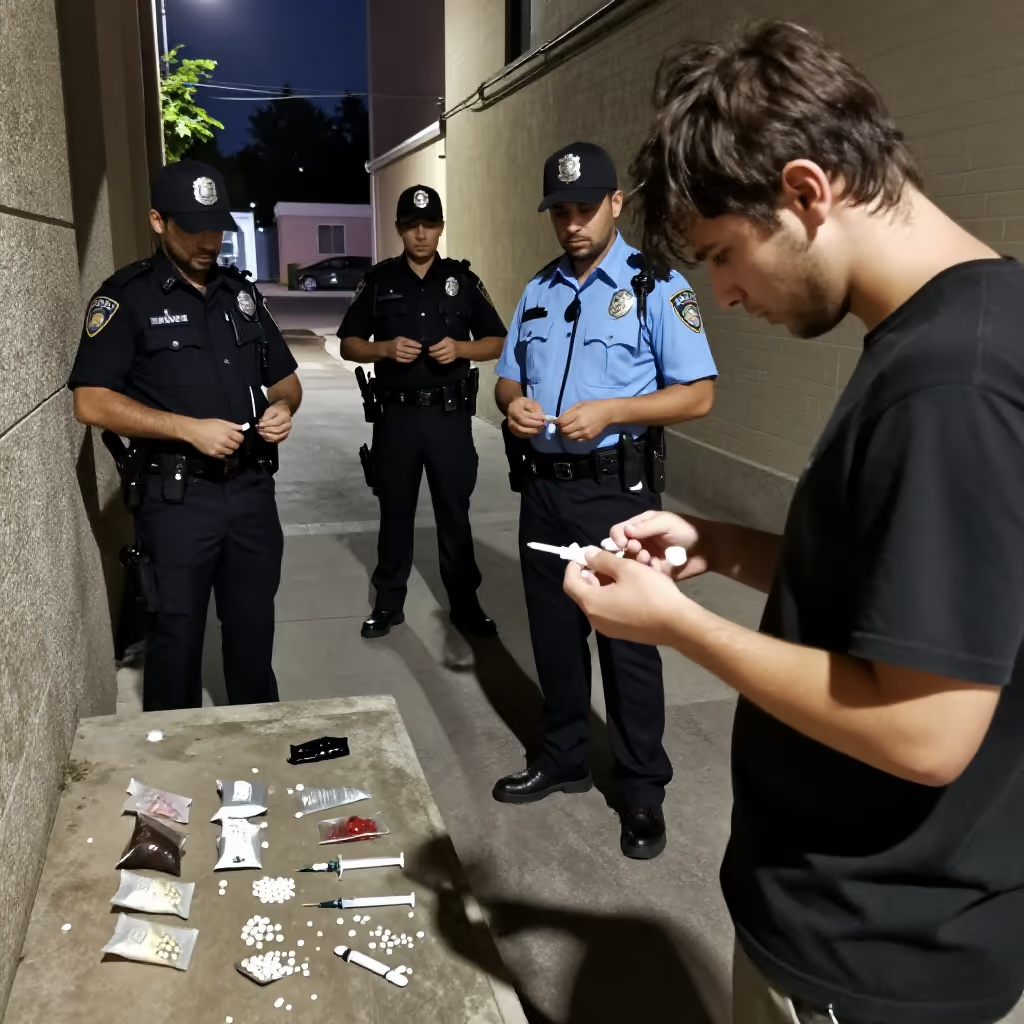
In der englisch geprägten Umgangssprache nannte sie die illegale Substanz einen Drug.
In English-influenced colloquial speech, she called the illegal substance a drug.
Im normalen deutschen Gespräch nannte sie die illegale Substanz eine Droge.
In a normal German conversation, she called the illegal substance a drug.