

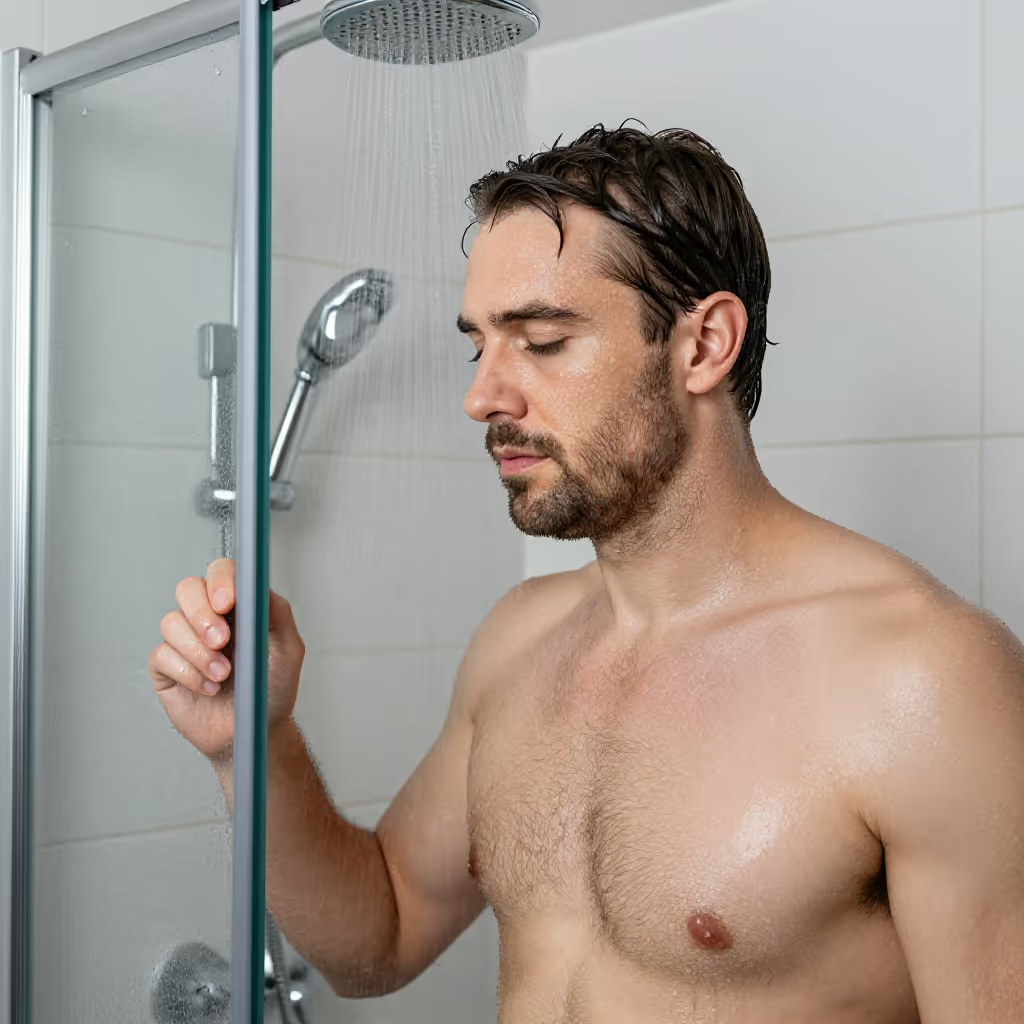
duschen
to shower
To stand under a shower and rinse oneself with water for body cleaning.
EXAMPLE
Nach dem Sport gehe ich immer erst einmal duschen.
After sports, I always go shower first.
to shower
Loading your saved state.
to shower
To stand under a shower and rinse oneself with water for body cleaning.
Nach dem Sport gehe ich immer erst einmal duschen.
After sports, I always go shower first.
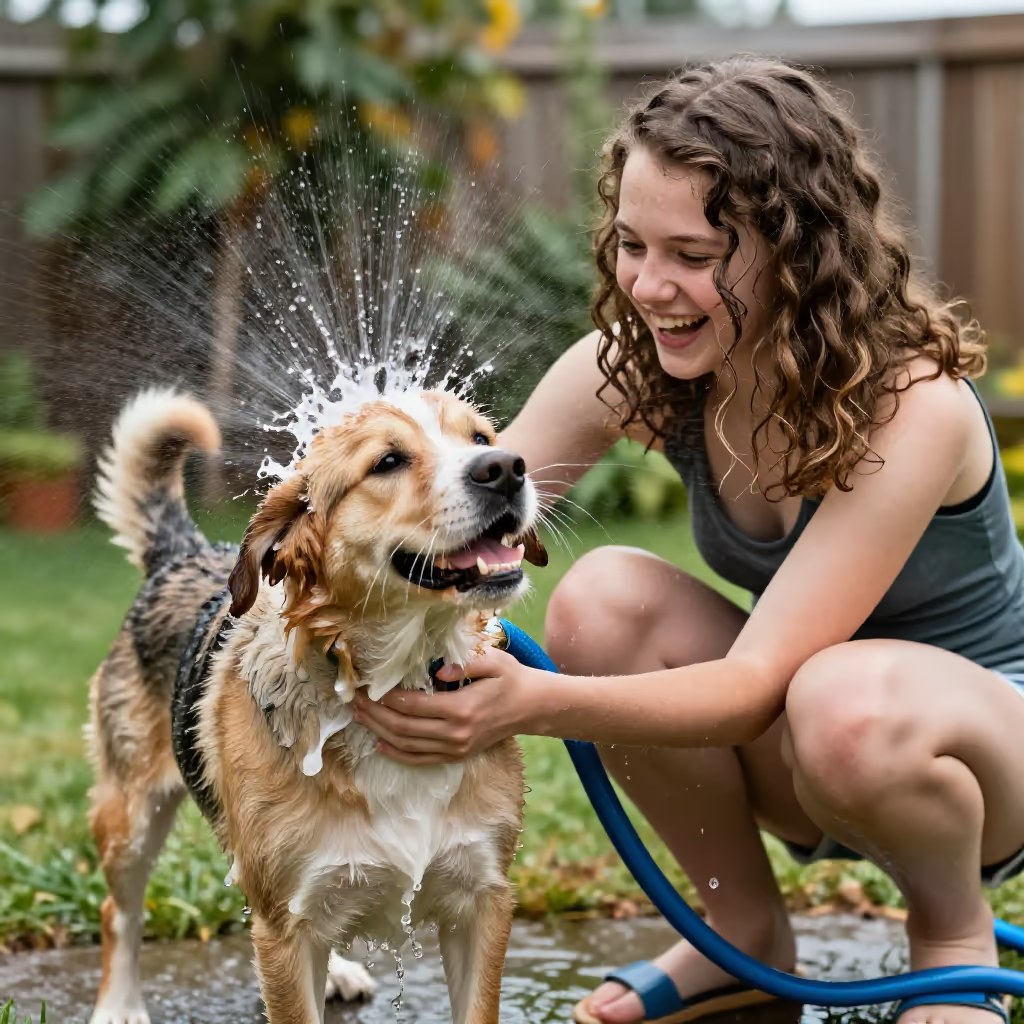
to shower
To splash someone or something with a liquid, often unintentionally, making them wet.
Das vorbeifahrende Auto hat mich mit Pfützenwasser komplett geduscht.
The passing car completely showered me with puddle water.
The verb 'duschen' (to shower) is derived directly from the noun 'die Dusche' (the shower). Both words belong to the basic vocabulary around the topic of bathrooms and personal hygiene.
Die Dusche ist kaputt, deshalb kann ich heute nicht duschen.
The shower is broken, so I can't shower today.
In everyday language, you can say both 'ich dusche' (I shower) and 'ich dusche mich' (I shower myself). Both forms are correct and mean the same thing, but the version without 'mich' is somewhat more common.
Ich stehe jeden Morgen um sechs auf und dusche.
I get up at six every morning and shower.
Colloquially, 'duschen' (to shower) can also mean to splash someone with a liquid, often unintentionally. This use is figurative and usually involves a surprise.
Als ich den Sekt öffnete, habe ich aus Versehen alle Gäste geduscht.
When I opened the sparkling wine, I accidentally showered all the guests.