

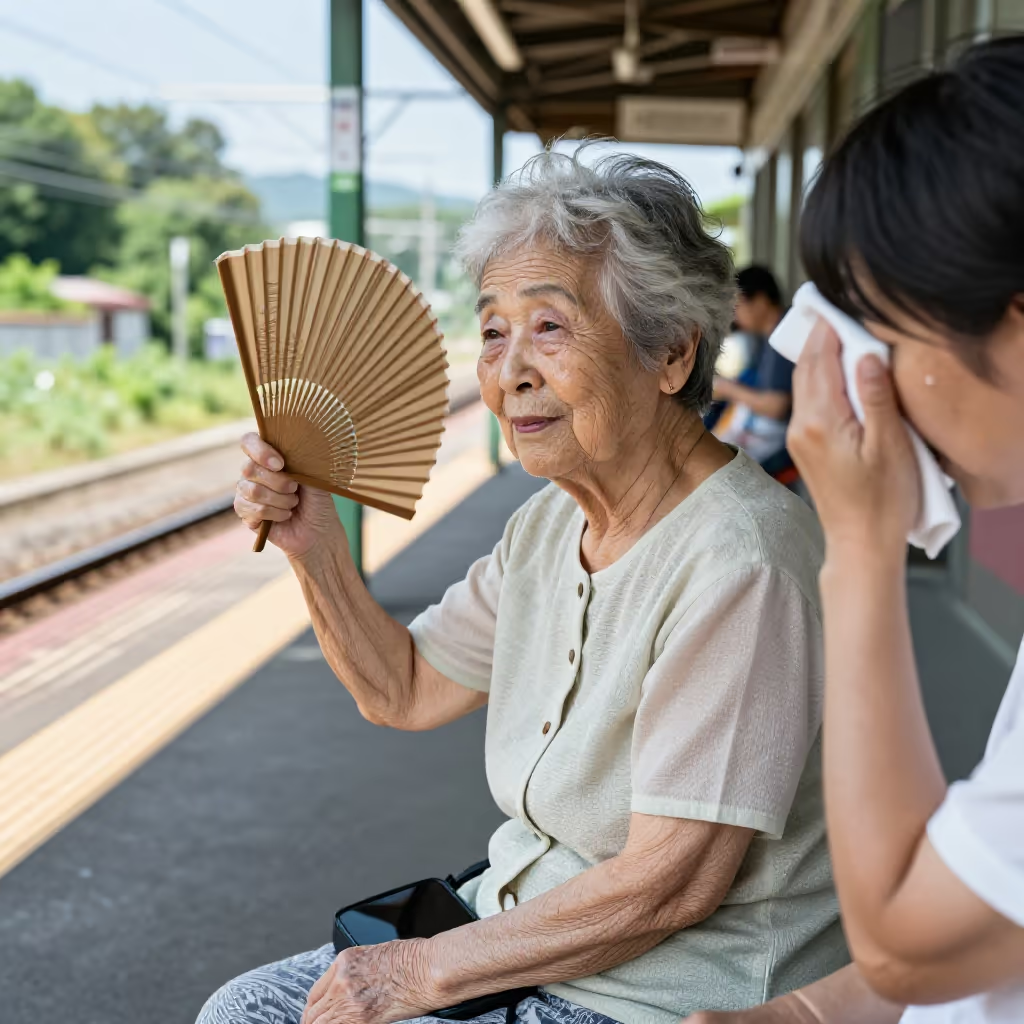
fächern
to fan
To move air with a fan or a similar object in order to cool yourself or someone else.
EXAMPLE
Sie fächerte sich mit der Speisekarte Luft zu, weil es so heiß war.
She fanned air toward herself with the menu because it was so hot.
to fan
Loading your saved state.
to fan
To move air with a fan or a similar object in order to cool yourself or someone else.
Sie fächerte sich mit der Speisekarte Luft zu, weil es so heiß war.
She fanned air toward herself with the menu because it was so hot.
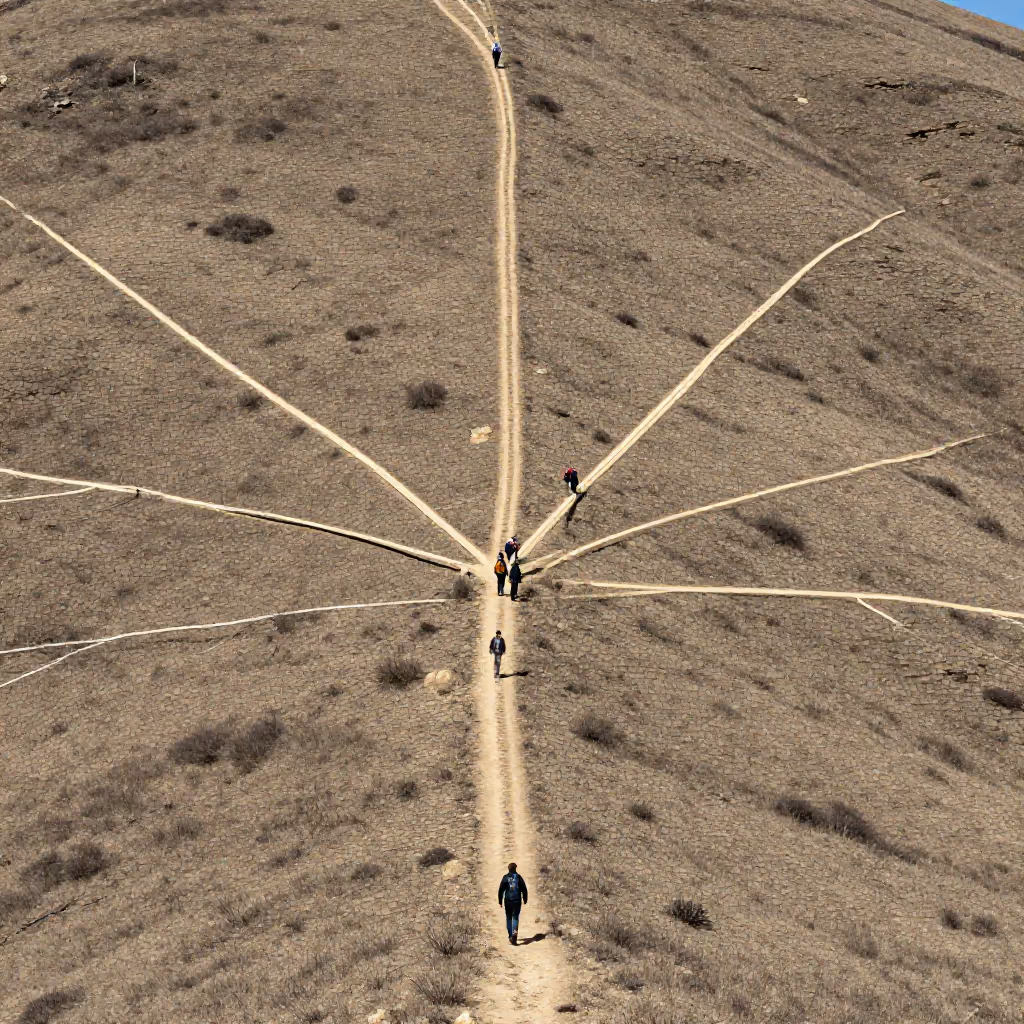
to fan out
To spread out or arrange itself in the shape of a fan.
Die Pfauenfedern fächern sich zu einem prächtigen Rad.
The peacock feathers fan out into a magnificent wheel.
The verb 'fächern' (to fan) is derived directly from the noun 'der Fächer' (the fan). The action of the verb imitates the movement or shape of a fan.
Weil ihr heiß war, nahm sie einen Fächer und begann, sich Luft zu fächern.
Because she was hot, she took a fan and began fanning air toward herself.
When you cool yourself or someone else, the construction 'jemandem (Dativ) Luft zufächern' (to fan air toward someone) is often used. The 'zu' is a separable verb particle here.
Kannst du mir bitte etwas Luft zufächern?
Could you please fan a little air toward me?
In the meaning 'to spread out', the verb is always used reflexively: 'sich fächern' (to fan out). The subject of the sentence is the thing that arranges itself in a fan shape.
Der Croupier fächerte die Karten auf dem Tisch.
The croupier fanned out the cards on the table.