

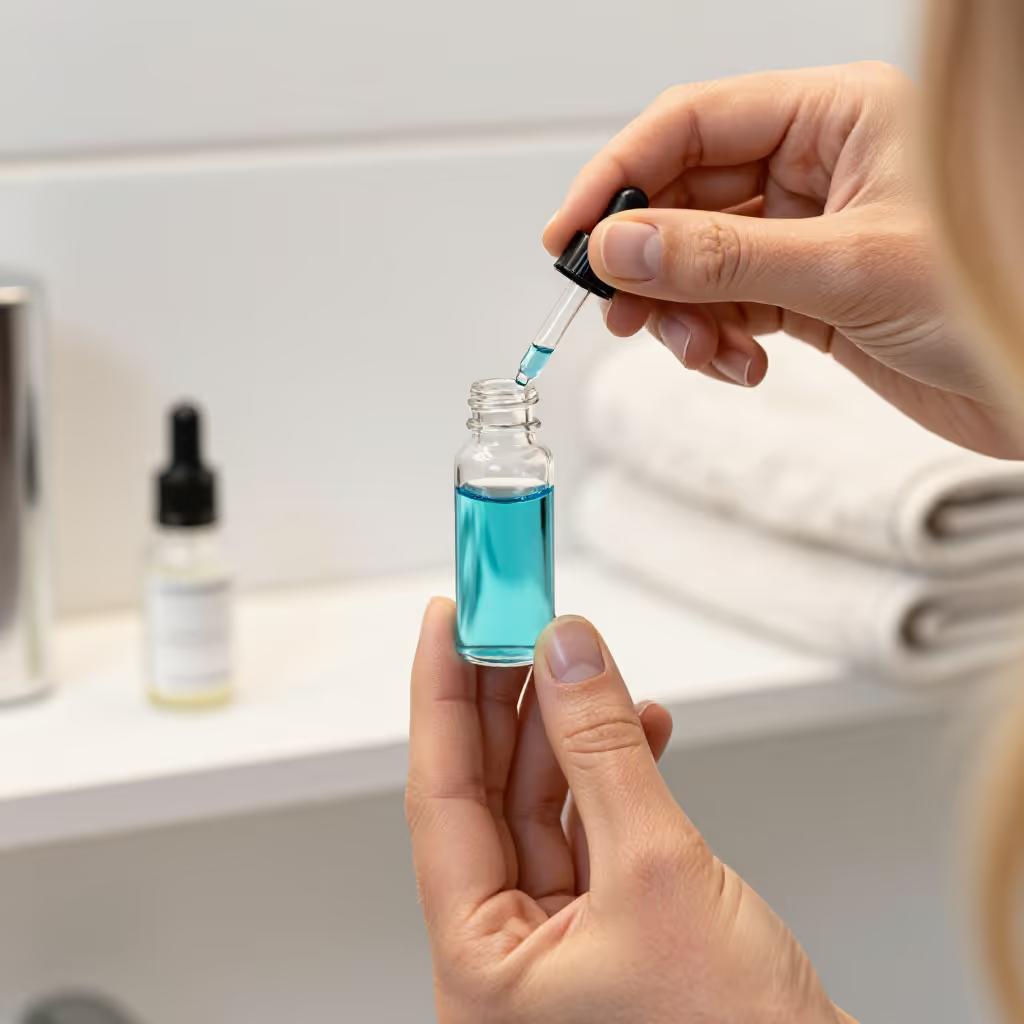
das Fläschchen
small bottle
A small bottle for liquids of various kinds.
EXAMPLE
Im Labor füllte sie die Probe in ein kleines Fläschchen.
In the lab, she filled the sample into a small bottle.
small bottle
Loading your saved state.
small bottle
A small bottle for liquids of various kinds.
Im Labor füllte sie die Probe in ein kleines Fläschchen.
In the lab, she filled the sample into a small bottle.
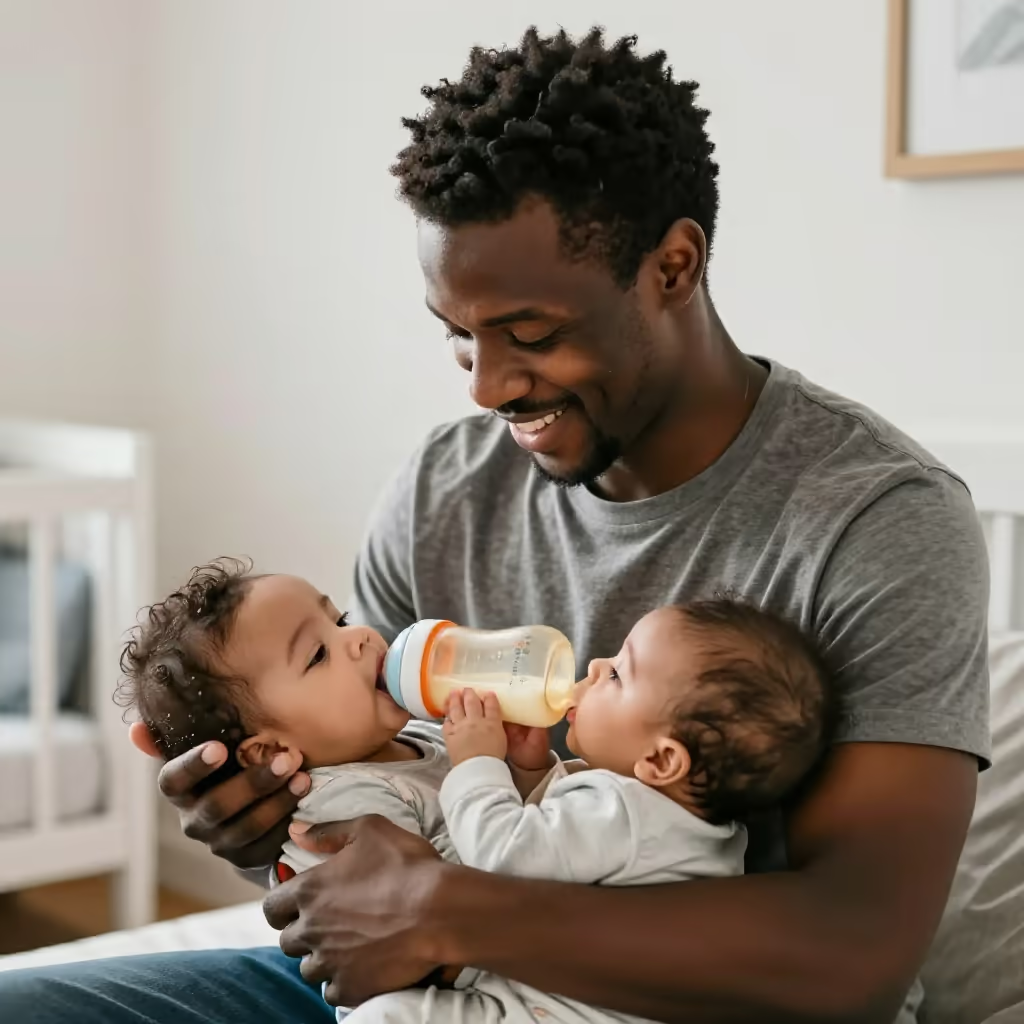
baby bottle
A feeding bottle for babies, filled with milk or other infant formula.
Das Baby hat gerade sein Fläschchen ausgetrunken und ist eingeschlafen.
The baby has just finished its bottle and fallen asleep.
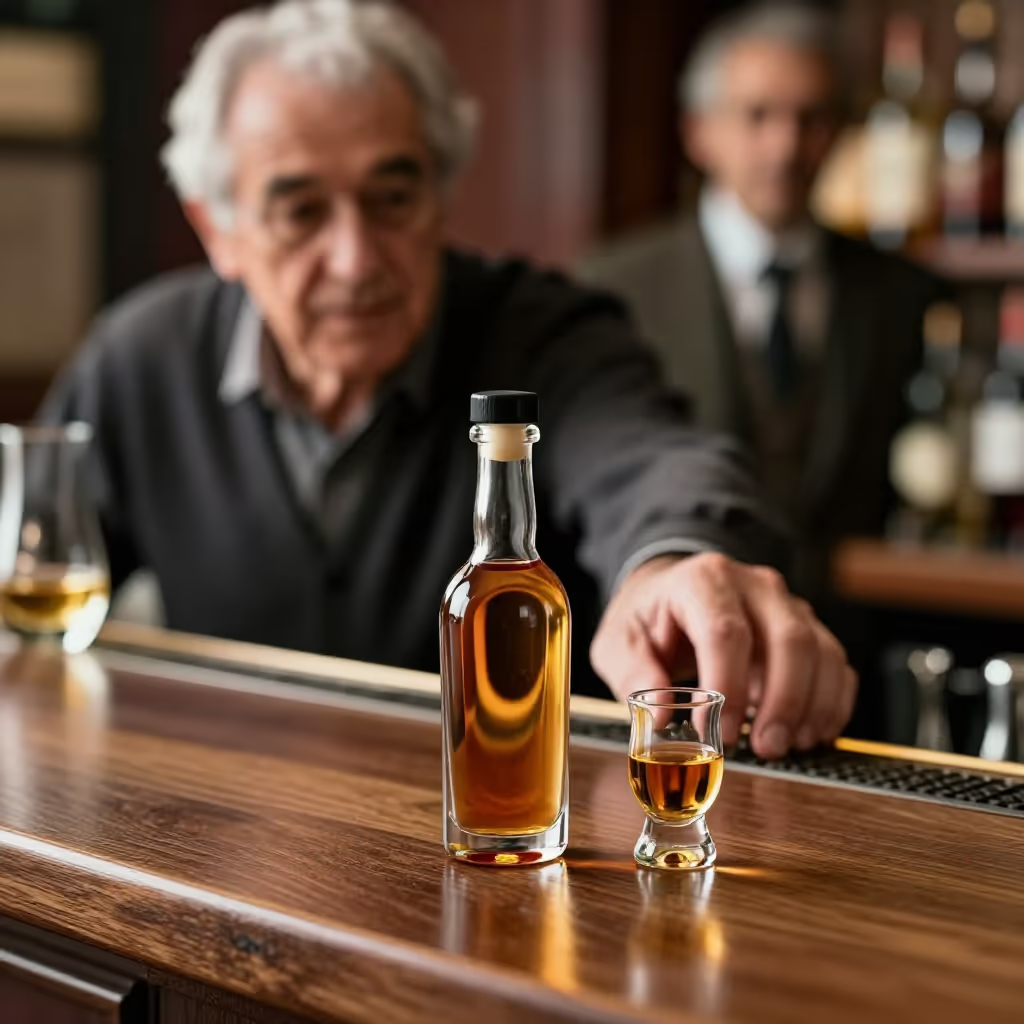
small liquor bottle
A small bottle containing an alcoholic drink such as schnapps or liqueur.
Er hatte für die Wanderung ein Fläschchen Kräuterschnaps eingepackt.
He had packed a small bottle of herbal schnapps for the hike.
'Fläschchen' (small bottle) is the diminutive form of 'die Flasche' (the bottle). The ending '-chen' makes the noun small and always changes the article to 'das'. The vowel 'a' becomes 'ä' (umlaut).
Für die Reise habe ich mein Shampoo in ein kleines Fläschchen gefüllt.
For the trip, I filled my shampoo into a small bottle.
Nouns that end in '-chen' have the same form in the plural as in the singular. You recognize the plural only from the article or the context.
Ein Fläschchen steht auf dem Tisch.
One small bottle is on the table.
When a 'Fläschchen' (bottle) is mentioned in connection with a 'Baby' (baby), 'Kind' (child), 'Milch' (milk), or 'Nahrung' (food/formula), it always means the feeding bottle for infants.
Der Vater bereitet das Fläschchen für die Nacht vor.
The father is preparing the bottle for the night.
In the context of baby food, the phrase 'das Fläschchen geben' (to give the bottle) is often used. It means to feed the baby with a bottle.
Kannst du dem Baby bitte das Fläschchen geben? Es hat Hunger.
Can you please give the baby its bottle? It's hungry.
You can recognize the meaning 'small bottle with alcohol' from the context. Drinks such as 'Schnaps' (schnapps) or 'Likör' (liqueur) are often mentioned, or the situation (e.g., a hike) suggests it.
Zur Stärkung trank er einen Schluck aus seinem Fläschchen mit Kräuterlikör.
To strengthen himself, he took a sip from his small bottle of herbal liqueur.