


A product that is consumed not primarily for nutrition, but because of its taste or its stimulating, calming, or intoxicating effect.
example
Kaffee, Wein, Tabak und Schokolade gelten als klassische Genussmittel.
Coffee, wine, tobacco, and chocolate are considered classic recreational substances.
Usage tips
Word composition
The word is made up of 'der Genuss' (enjoyment, pleasure) and 'das Mittel' (means, substance). So it literally refers to a means or substance that serves enjoyment and not pure nutrition.
EXAMPLE
Für ihn ist ein guter Kaffee am Morgen das wichtigste Genussmittel.
For him, a good coffee in the morning is the most important recreational substance.
Register note
'Genussmittel' (recreational substance) is a rather formal or factual term that often appears in texts about health, trade, or law. In everyday life, people usually refer directly to 'Kaffee' (coffee), 'Wein' (wine), or 'Süßigkeiten' (sweets).
EXAMPLE
Der Bericht analysiert den Konsum von Genussmitteln in verschiedenen Altersgruppen.
The report analyzes the consumption of recreational substances in different age groups.
Typical collocations
Common verbs used with this noun are 'konsumieren' (to consume), 'verzichten auf' (to give up / do without), or 'greifen zu' (to reach for / turn to). It is also often used in connection with taxes or health.
EXAMPLE
Viele Menschen versuchen, im neuen Jahr auf Genussmittel wie Alkohol zu verzichten.
Many people try to give up recreational substances such as alcohol in the new year.
Compare with
confusable
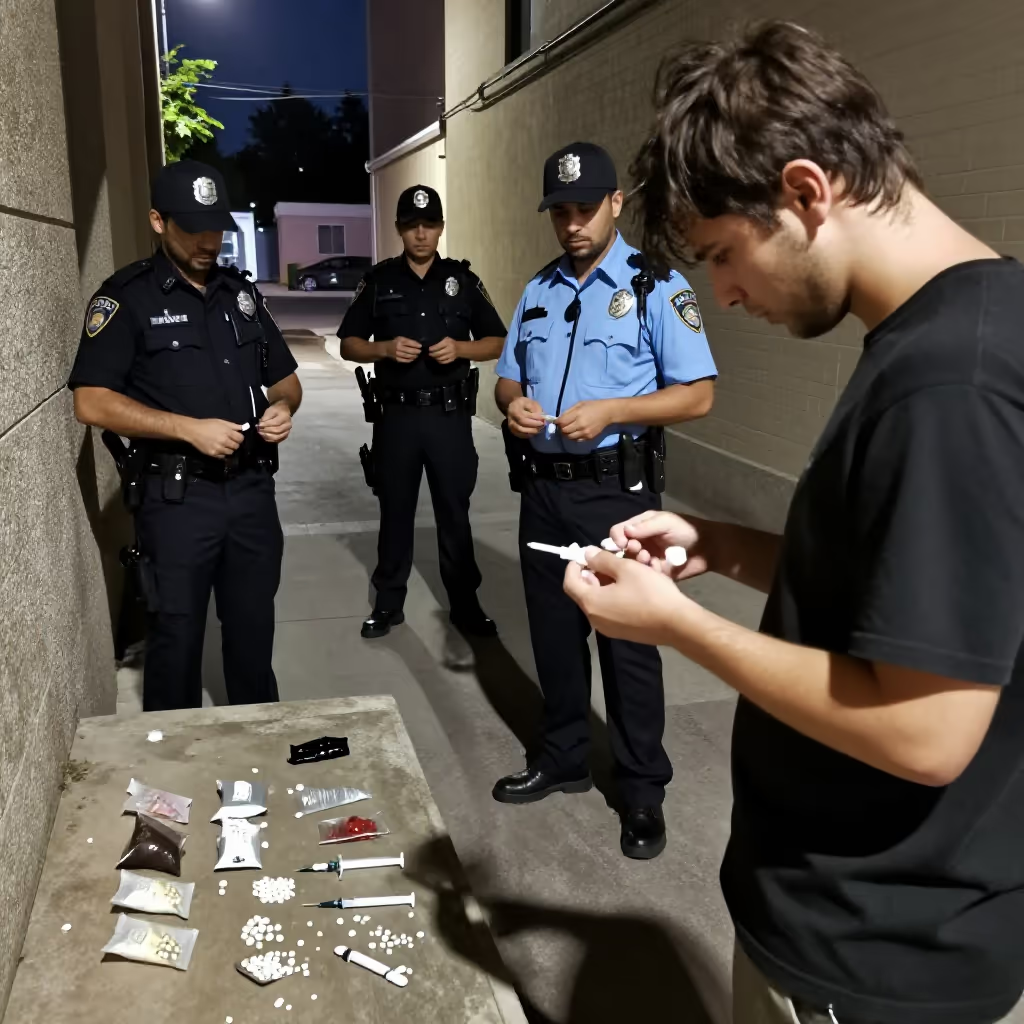
Genussmittel vs Droge
drug
'die Droge' and 'das Genussmittel' can both refer to something that people consume because of an effect it has. But the difference is important: 'Droge' usually means an intoxicating substance, often illegal and with a risk of addiction. 'Genussmittel' means products that people do not necessarily need for nutrition, but enjoy because of their taste or effect, for example coffee, tea, or alcohol. Learners may confuse the words because some Genussmittel can also stimulate or intoxicate. However, 'Genussmittel' sounds much more neutral and legal than 'Droge'.
Genussmittel
Am Wochenende trinkt Paul gern Kaffee, aber für ihn bleibt er ein Genussmittel.
Paul likes drinking coffee on the weekend, but for him it remains a recreational substance.
Droge
Am Abend wird die Droge in dem Bericht als sehr gefährlich beschrieben.
In the report that evening, the drug is described as very dangerous.