

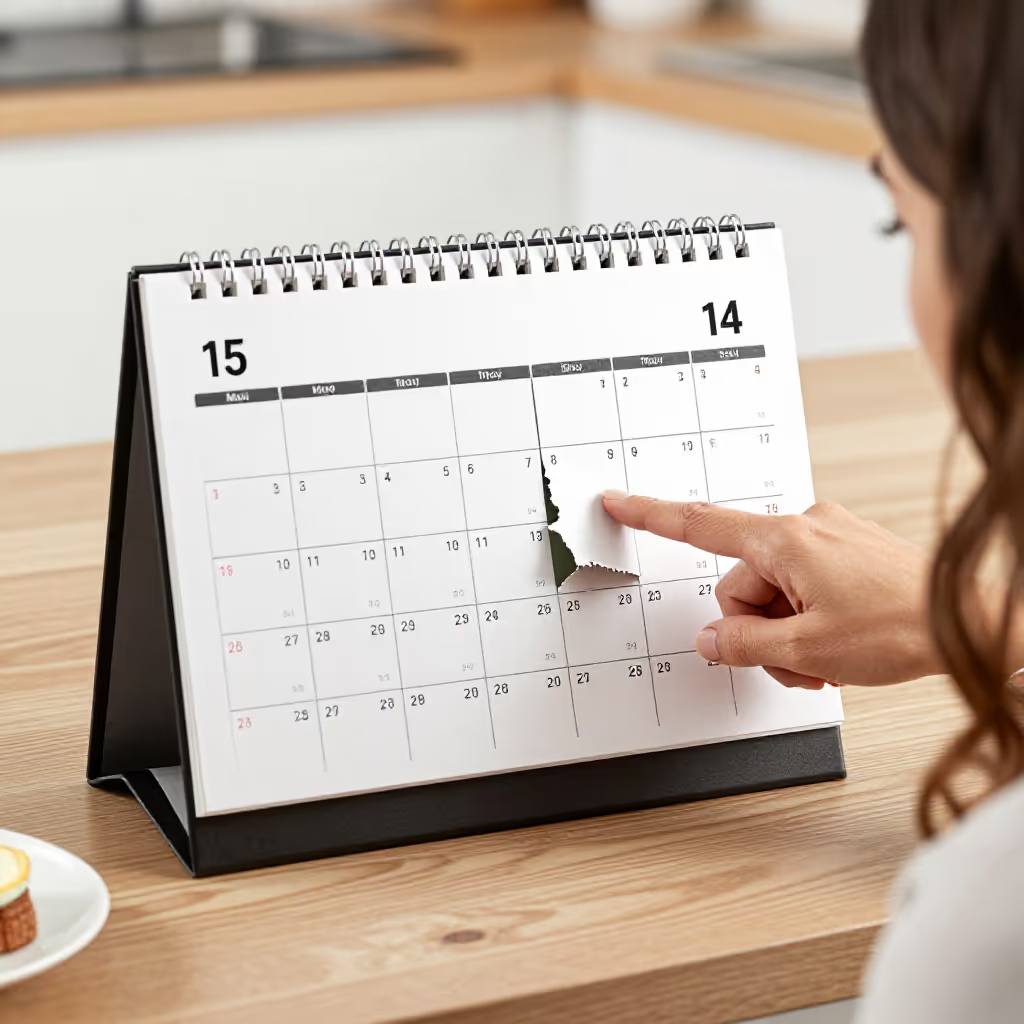
gestern
yesterday
On the day before today.
EXAMPLE
Ich habe dich gestern in der Stadt gesehen.
I saw you in town yesterday.
yesterday
Loading your saved state.
yesterday
On the day before today.
Ich habe dich gestern in der Stadt gesehen.
I saw you in town yesterday.

to be outdated
An idiom meaning that something or someone is old-fashioned, obsolete, or no longer up to date.
Seine Einstellung zur Arbeitsteilung ist wirklich von gestern.
His attitude toward the division of labor is really outdated.
As a time adverb, 'gestern' (yesterday) can stand flexibly in the sentence. It often stands in position 1, followed by the verb. But it can also stand in the middle of the sentence after the subject and verb.
Gestern war ich den ganzen Tag zu Hause.
Yesterday I was at home all day.
Since 'gestern' (yesterday) refers to the past, the verb in the sentence must always be in a past tense, either the Perfekt or the Präteritum.
Wir sind gestern Abend ins Kino gegangen.
We went to the movies yesterday evening.
To give a more precise time on the previous day, 'gestern' (yesterday) is often combined with times of day. Typical expressions are 'gestern Morgen' (yesterday morning), 'gestern Mittag' (yesterday at noon), 'gestern Abend' (yesterday evening), or 'gestern Nacht' (last night).
Wir haben uns gestern Abend zum Essen getroffen.
We met for dinner yesterday evening.
The idiom 'von gestern sein' (to be outdated) is a fixed construction. It is used to describe a person, an idea, or an object as old-fashioned.
Seine Ansichten über Mode sind wirklich von gestern.
His views on fashion are really outdated.
previous day
Gestern always refers to the day before today. Der Vortag, on the other hand, refers to the day before another day known from the context. Use gestern when looking back from today; when there is a stated reference day, use der Vortag.
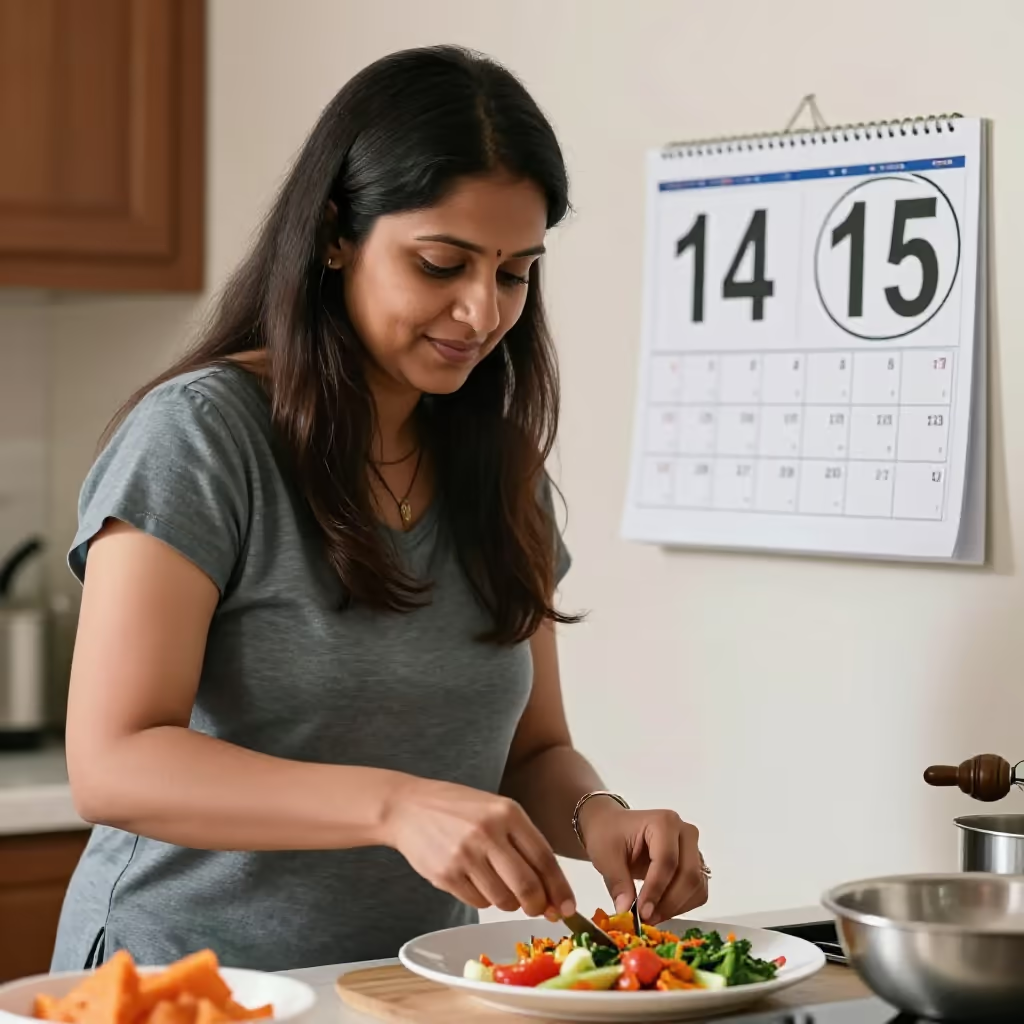
Sie ist gestern für die heutige Sitzung angekommen.
She arrived yesterday for today’s meeting.
Sie ist am Vortag der Sitzung angekommen.
She arrived the day before the meeting.