

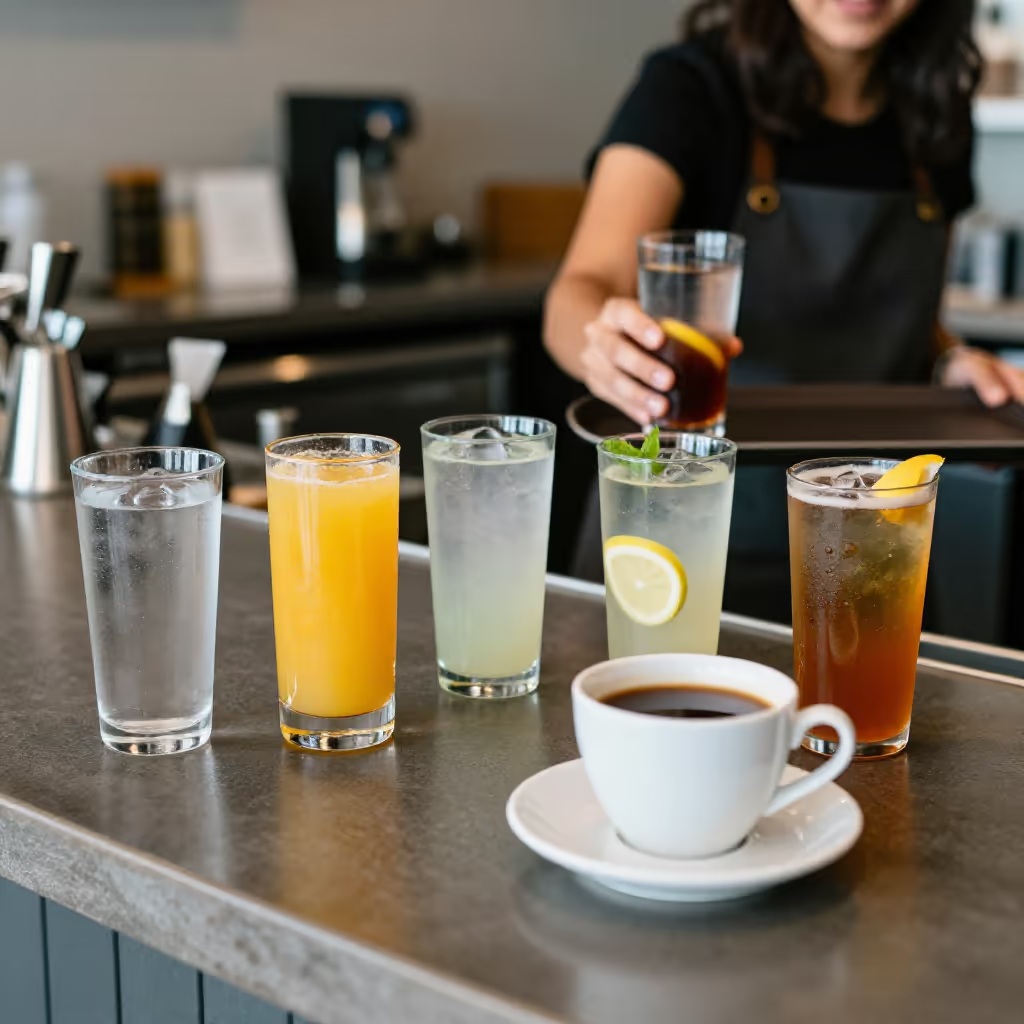
A liquid prepared for drinking. This includes water, juices, soft drinks, alcoholic drinks, and hot liquids such as coffee or tea.
example
Möchten Sie zum Essen ein Getränk bestellen?
Would you like to order a drink with your meal?
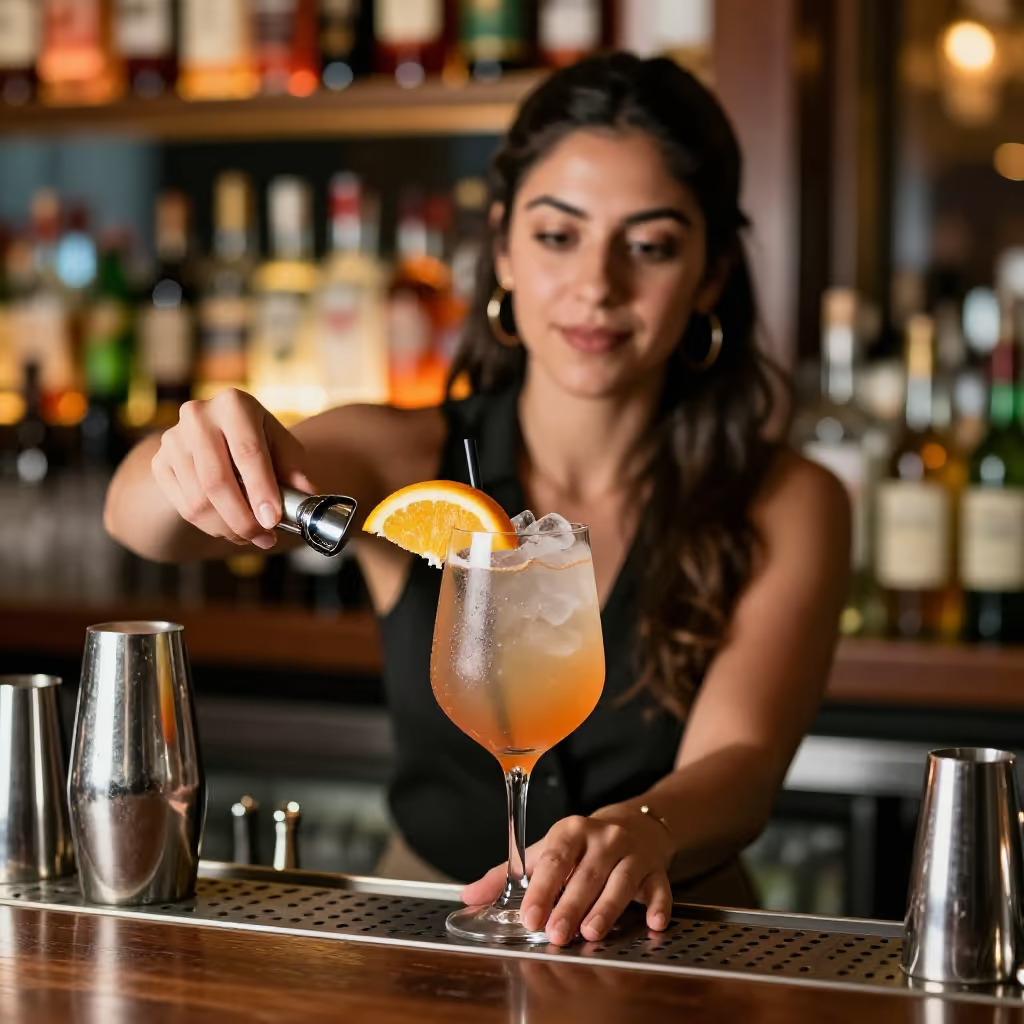
Usage tips
Word family
The word 'Getränk' (drink/beverage) is derived from the verb 'trinken' (to drink). The prefix 'Ge-' forms a noun here, as it often does in German, that describes the result or object of an action.
EXAMPLE
Nach dem langen Spaziergang hatten wir Durst auf ein kaltes Getränk.
After the long walk, we were thirsty for a cold drink.
Typical adjectives
'Getränk' (drink/beverage) is often combined with adjectives that describe the temperature or type. Common combinations are 'heiße Getränke' (hot drinks), 'kalte Getränke' (cold drinks), 'alkoholische Getränke' (alcoholic drinks), and 'alkoholfreie Getränke' (non-alcoholic drinks).
EXAMPLE
Auf der Karte stehen verschiedene alkoholische und alkoholfreie Getränke.
The menu has various alcoholic and non-alcoholic drinks.
Typical verbs
In everyday life, 'Getränk' (drink/beverage) is frequently used with verbs such as 'bestellen' (to order), 'servieren' (to serve), 'anbieten' (to offer), or 'holen' (to get).
EXAMPLE
Der Kellner fragte, ob er uns schon Getränke bringen dürfe.
The waiter asked whether he could bring us drinks already.
Compare with
antonym · confusable
Getränk vs Essen
food / meal / eating
'das Essen' and 'das Getränk' both belong to things you consume. The important contrast is: you eat Essen, but you drink a Getränk. In restaurants, cafés, or at invitations, the two often appear together, so learners may confuse them. When you are talking about solid or prepared food, you say 'Essen'. When you are talking about water, juice, coffee, or other liquids, you say 'Getränk'.