

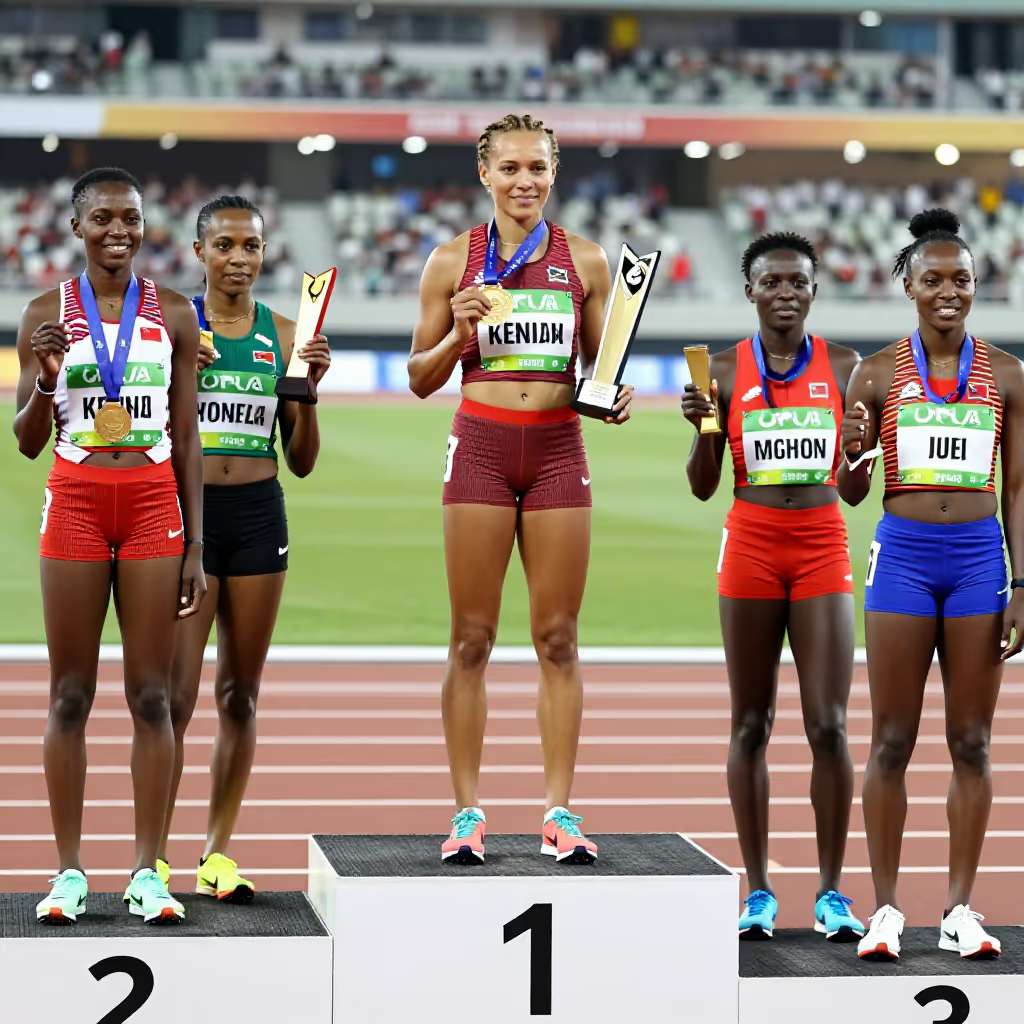
der Gewinner
winner
A person, team, or organization that wins a competition, game, or fight.
EXAMPLE
Der Gewinner des Hauptpreises wurde aus tausenden Einsendungen gezogen.
The winner of the grand prize was drawn from thousands of entries.
winner
Loading your saved state.
winner
A person, team, or organization that wins a competition, game, or fight.
Der Gewinner des Hauptpreises wurde aus tausenden Einsendungen gezogen.
The winner of the grand prize was drawn from thousands of entries.

beneficiary
Someone who gains an advantage from, or benefits from, a particular situation or development.
Die Gewinner der Digitalisierung sind oft Unternehmen, die sich schnell anpassen können.
The beneficiaries of digitalization are often companies that can adapt quickly.
'Gewinner' (winner) is derived directly from the verb 'gewinnen' (to win). The ending '-er' is a typical German way to indicate a male person who performs this action.
Wer gewinnt das Spiel, ist der Gewinner.
Whoever wins the game is the winner.
To say what someone is the winner of, German usually uses the genitive. This is typical of formal or written language.
Der Gewinner des Wettbewerbs erhält eine Reise nach Berlin.
The winner of the competition receives a trip to Berlin.
In economic or political discussions, 'Gewinner' (winner/beneficiary) often refers to a person or group that benefits from a development without having taken part in a direct competition.
Die Gewinner der Krise waren Online-Händler.
The beneficiaries of the crisis were online retailers.
winner
In a competition, Sieger and Gewinner can refer to the same person or team. Sieger emphasizes the victory over others more strongly, while Gewinner neutrally states who won. In a clear competition, both are therefore usually possible, but Sieger highlights success in the contest.
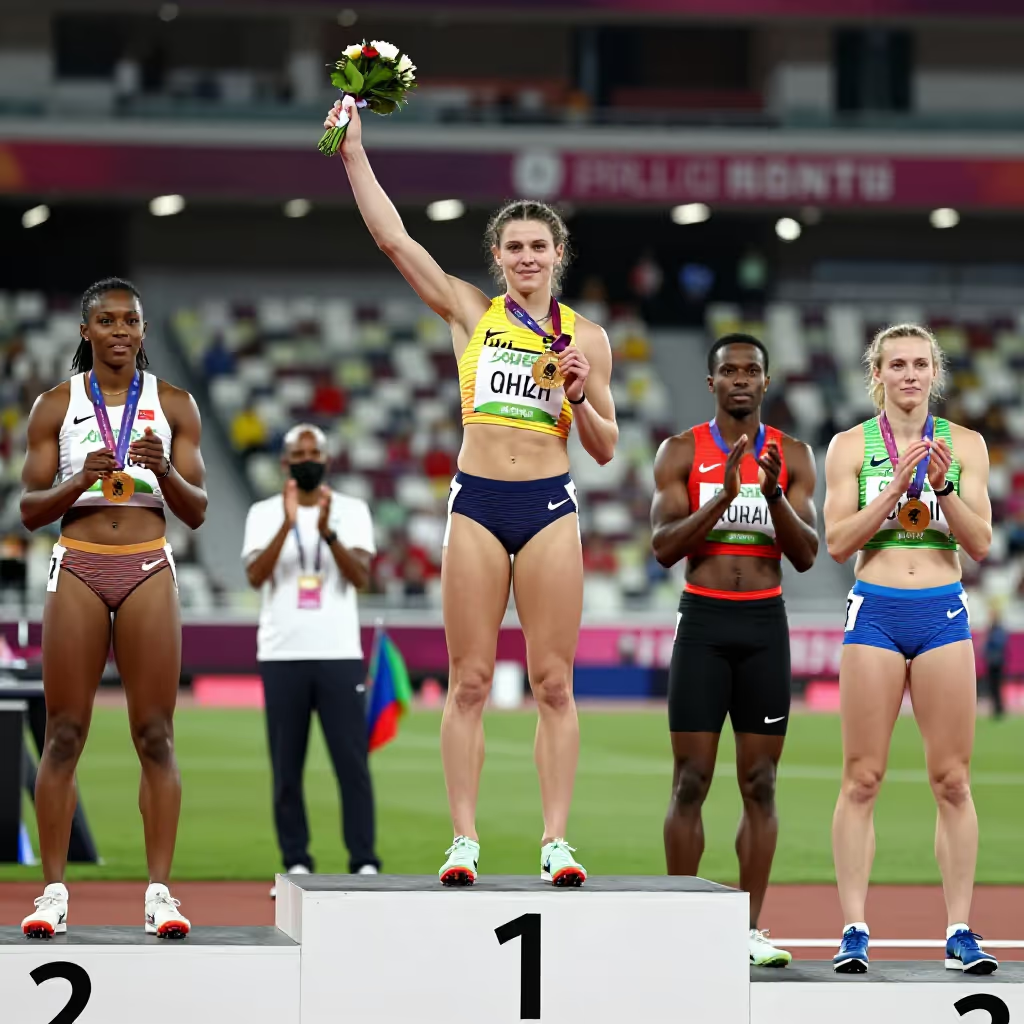
Nach einem engen Finale erhielt die Heimmannschaft als Gewinner den Pokal.
After a close final, the home team received the trophy as the winner.
Nach einem engen Finale wurde die Heimmannschaft als Sieger gefeiert.
After a close final, the home team was celebrated as the winner.