

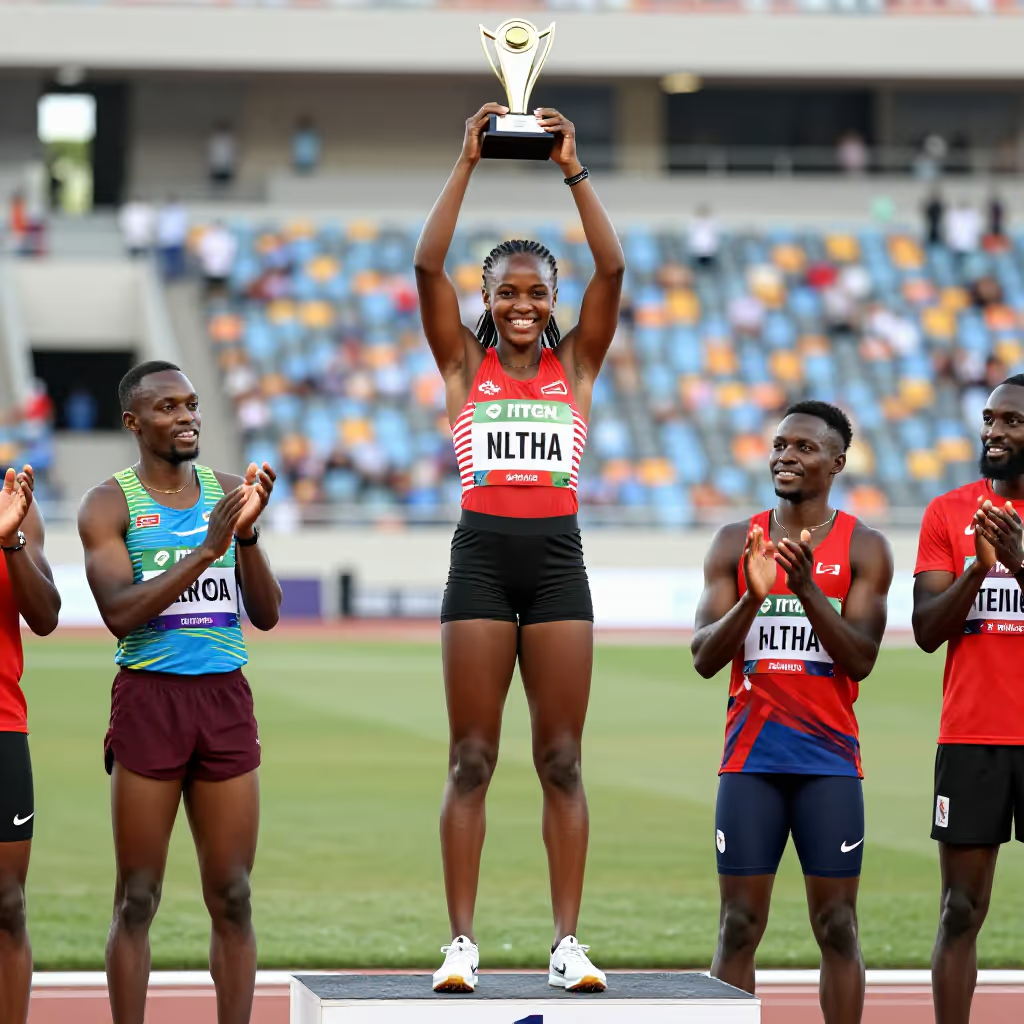
die Gewinnerin
winner
A female person who has won a victory in a competition, a game, or a conflict.
Die Gewinnerin des Marathonlaufs wurde im Ziel mit Applaus empfangen.
The winner of the marathon was greeted with applause at the finish line.
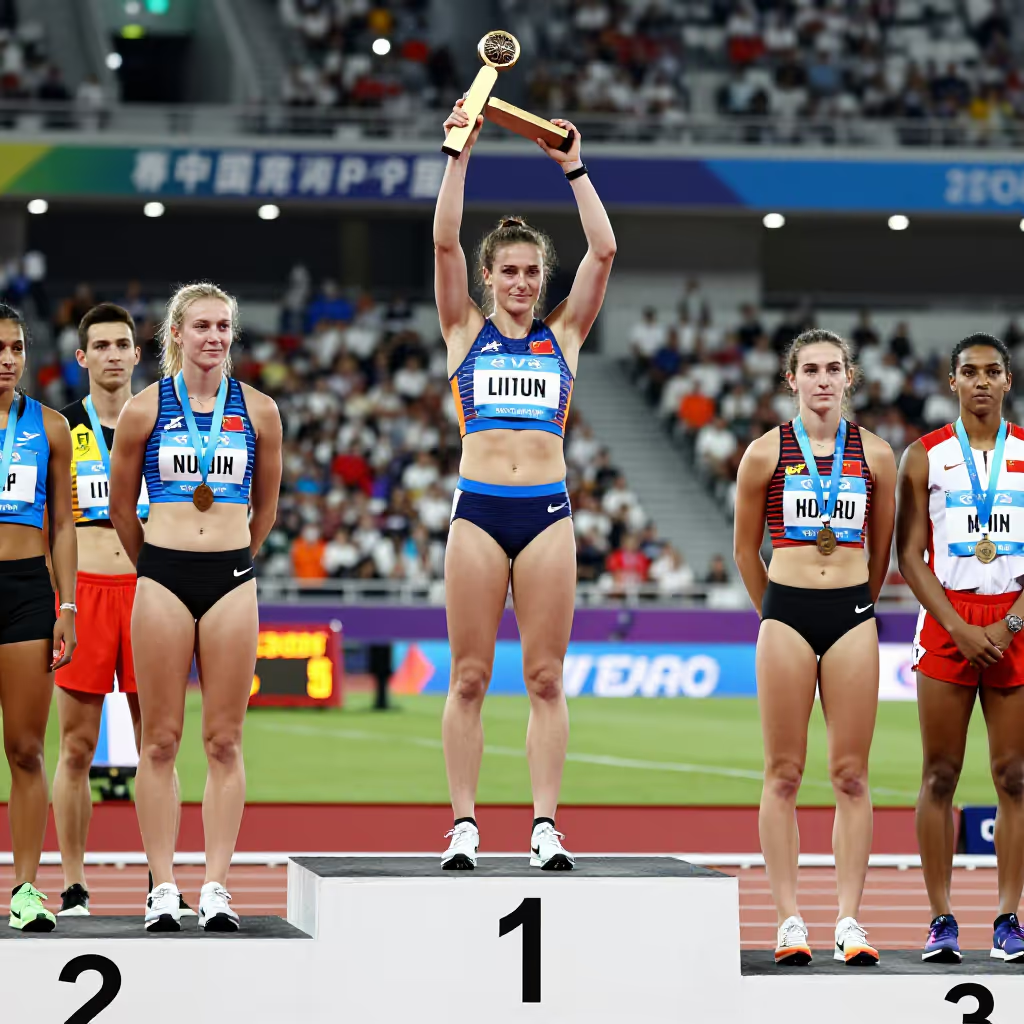
winner
Loading your saved state.
winner
A female person who has won a victory in a competition, a game, or a conflict.
Die Gewinnerin des Marathonlaufs wurde im Ziel mit Applaus empfangen.
The winner of the marathon was greeted with applause at the finish line.

The word is derived from the verb 'gewinnen' (to win). The ending '-in' is added to the masculine form 'der Gewinner' (the male winner) to form the feminine form. This pattern is very common in German.
Meine Schwester ist eine geborene Gewinnerin.
My sister is a born winner.
To say what was won, German often uses the genitive or the preposition 'von' (of/from). This indicates which competition or prize the person won.
Sie ist die Gewinnerin des diesjährigen Schreibwettbewerbs.
She is the winner of this year's writing competition.
'Gewinnerin' (female winner) is often combined with adjectives such as 'glücklich' (happy), 'stolz' (proud), or 'verdient' (deserving) to describe the emotions or circumstances of the victory.
Die stolze Gewinnerin nahm den Pokal entgegen.
The proud winner accepted the trophy.
champion / master
'die Meisterin' and 'die Gewinnerin' can both mean a woman who was successful in the end. 'die Gewinnerin' is very general and fits games, competitions, or prizes. 'die Meisterin' is more precise when it is about a championship or an important title. The words can easily be confused because a 'Meisterin' has won the competition. But 'Gewinnerin' only says that she won; 'Meisterin' additionally says that she has achieved a special title.

Am Morgen ruft der Verein die Gewinnerin der Verlosung an.
In the morning, the club calls the winner of the raffle.
Ist sie wirklich die neue Meisterin im Tischtennis?
Is she really the new table tennis champion?