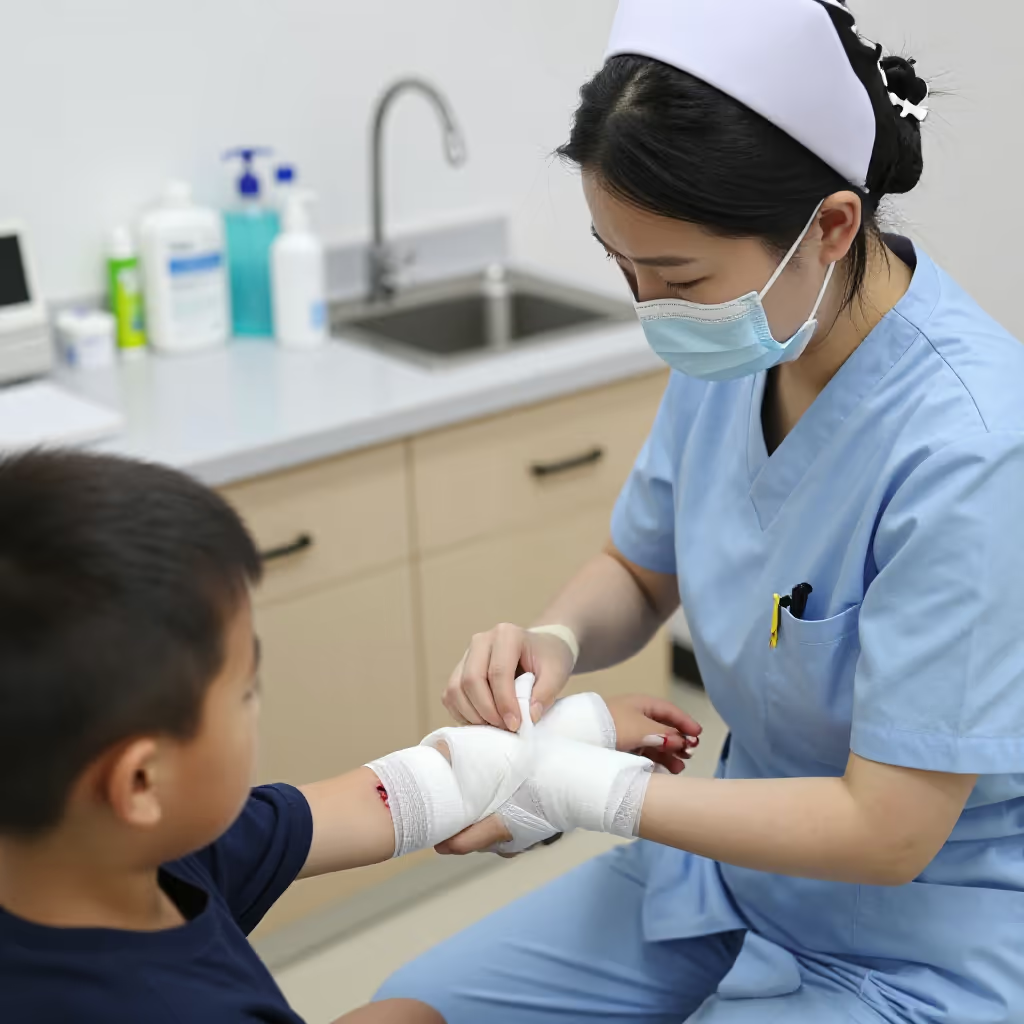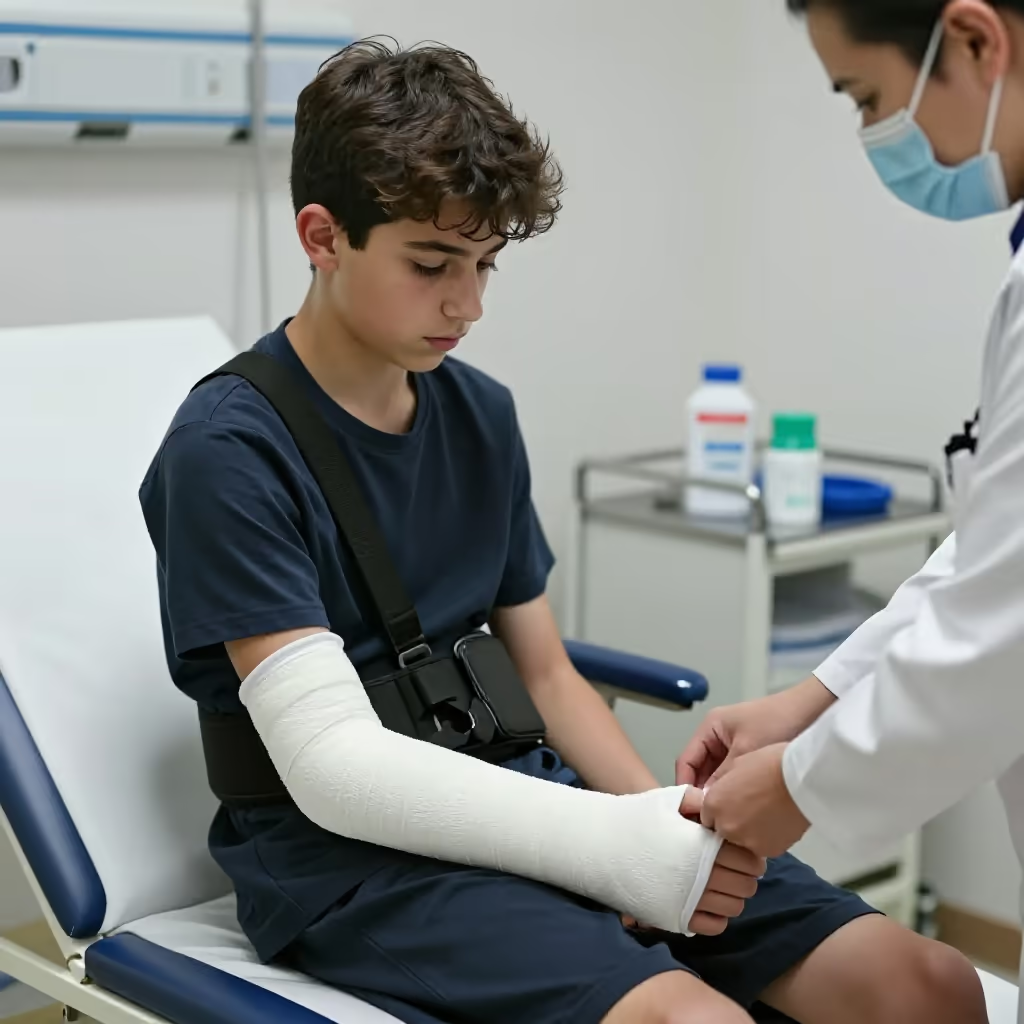
A hard bandage made of plaster bandages that is applied to immobilize broken bones or injured joints.
example
Nach seinem Skiunfall musste er sechs Wochen lang einen Gips am Bein tragen.
After his skiing accident, he had to wear a cast on his leg for six weeks.
Usage tips
Context clues
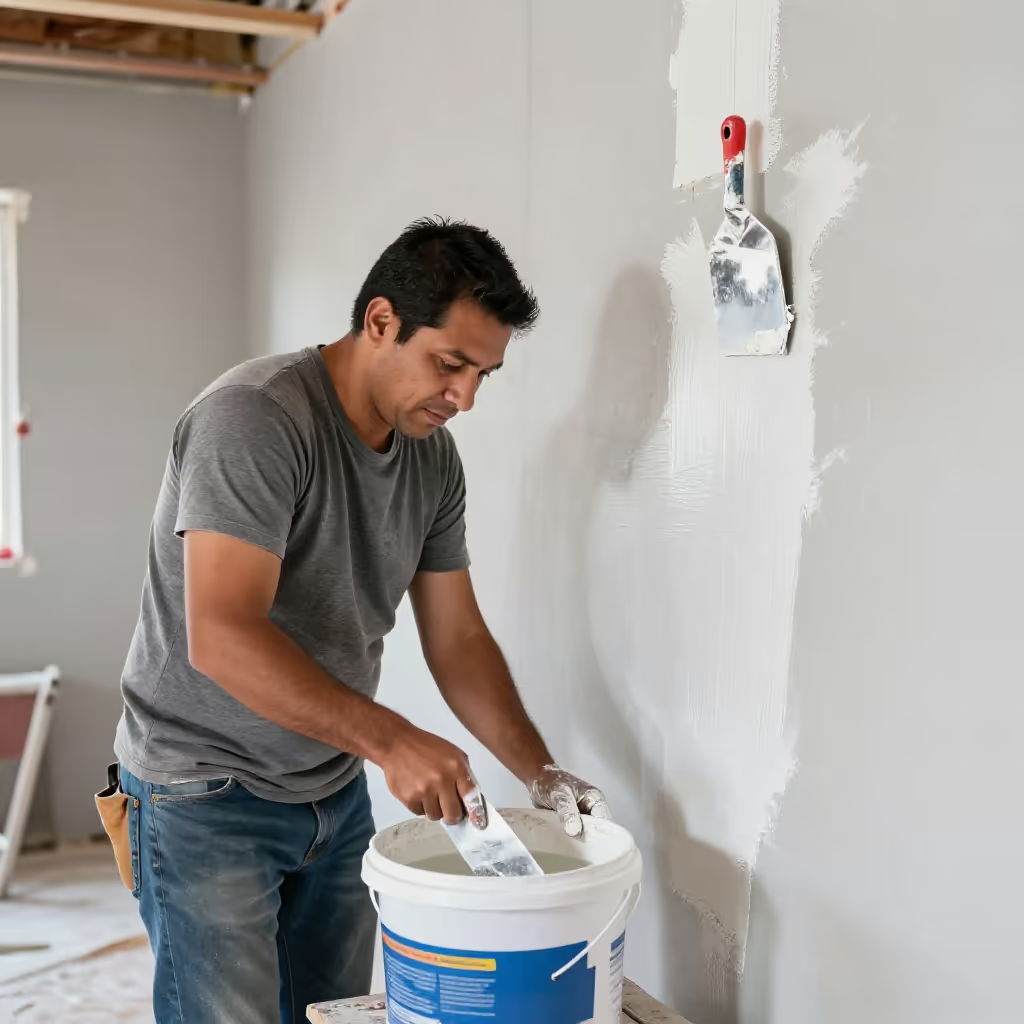
You can tell from context whether the medical cast or the building material is meant. Verbs like 'tragen' (to wear), 'bekommen' (to get), or body parts point to the cast. Words like 'Wand' (wall), 'verputzen' (to plaster), or 'bauen' (to build) indicate the material.
EXAMPLE
Mein Bruder hat den Arm in Gips.
My brother has his arm in a cast.
Typical collocations
In a medical context, there are fixed expressions. You say 'einen Gips tragen' (to wear a cast), 'einen Gips bekommen' (to get a cast), or 'den Gips abnehmen' (to remove the cast). The phrase 'den Arm/das Bein im Gips haben' (to have one's arm/leg in a cast) is also very common.
EXAMPLE
Wie lange musst du den Gips noch tragen?
How much longer do you have to wear the cast?
Uncountable material
When 'Gips' (plaster) refers to the building material, it is usually used as an uncountable noun. It then often appears without an article or with quantity expressions like 'etwas' (some), 'viel' (a lot of), or 'ein Sack' (a bag/sack).
EXAMPLE
Mische den Gips mit Wasser an.
Mix the plaster with water.
Compare with
near_synonym · confusable
Gips vs Verband
association / bandage
'der Verband' and 'der Gips' can both have to do with an injury and its treatment. 'Verband' is more general: it protects a wound, for example after a cut. 'Gips' means a hard cast that keeps a broken bone or injured joint still. Learners may confuse the words because a cast is also a kind of bandage. As a practical rule: for an open wound, you are more likely to say 'Verband'; for a broken bone, you are more likely to say 'Gips'.
Gips
Nach dem Sturz bekommt Leon einen Gips am linken Arm.
After the fall, Leon gets a cast on his left arm.
Verband
Die Ärztin legt einen frischen Verband auf die Wunde.