

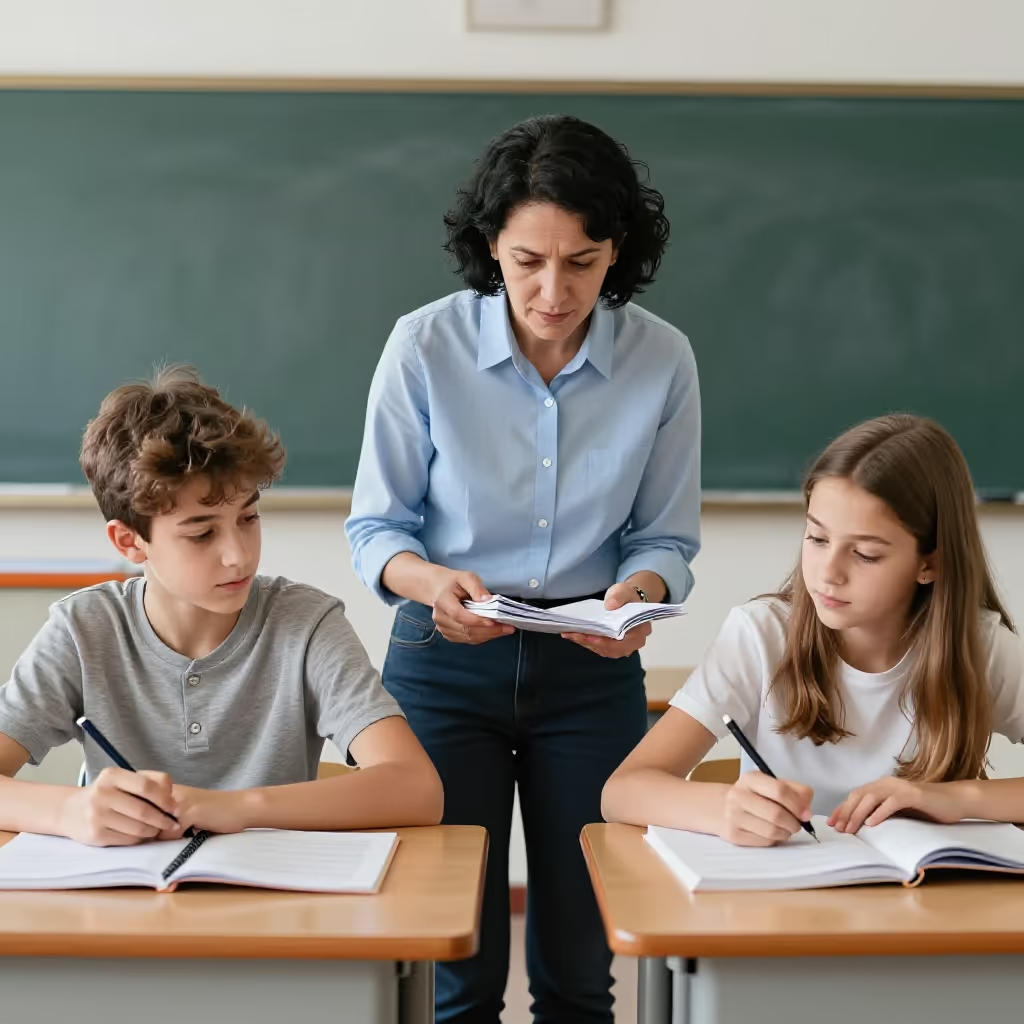
To the same degree or in the same way; likewise. This adverb expresses that a statement applies in the same way to two or more mentioned people, things, or groups.
example
Die Ausstellung begeisterte Kritiker und Publikum gleichermaßen.
The exhibition delighted critics and audiences equally.

Usage tips
Word composition
The word 'gleichermaßen' is easy to understand if you break it down: it consists of 'gleicher' (from 'gleich', equal/same) and 'Maßen' (from 'das Maß', measure). Literally, it means 'in equal measures' or 'to the same degree'.
EXAMPLE
Das neue Gesetz betrifft Arbeitnehmer und Arbeitgeber gleichermaßen.
The new law affects employees and employers equally.
Sentence structure and use
This adverb is used to emphasize that a statement applies to two or more previously mentioned groups or things. It often comes after the elements it connects.
EXAMPLE
Der Roman wurde von Lesern und Kritikern gleichermaßen gelobt.
The novel was praised by readers and critics equally.
Register and style
'Gleichermaßen' belongs more to written language or a more formal style. It often sounds somewhat elevated and is used in official texts, speeches, or reports.
EXAMPLE
Die neuen Regelungen sollen der Umwelt und der Wirtschaft gleichermaßen dienen.
The new regulations are intended to serve the environment and the economy equally.
Compare with
near_synonym
gleichermassen vs ebenfalls
likewise
'ebenfalls' and 'gleichermassen' both express that something applies not only to one person or thing, but also to another. 'ebenfalls' is very common in everyday language and is especially suitable when you simply mean 'also' or are responding to a wish. 'gleichermassen' puts more emphasis on something applying to several people or things to the same degree or in the same way. It sounds somewhat more formal and works well in comparisons.
gleichermassen
Der neue Plan ist für Kunden und Mitarbeiter gleichermassen wichtig.
The new plan is equally important for customers and employees.