

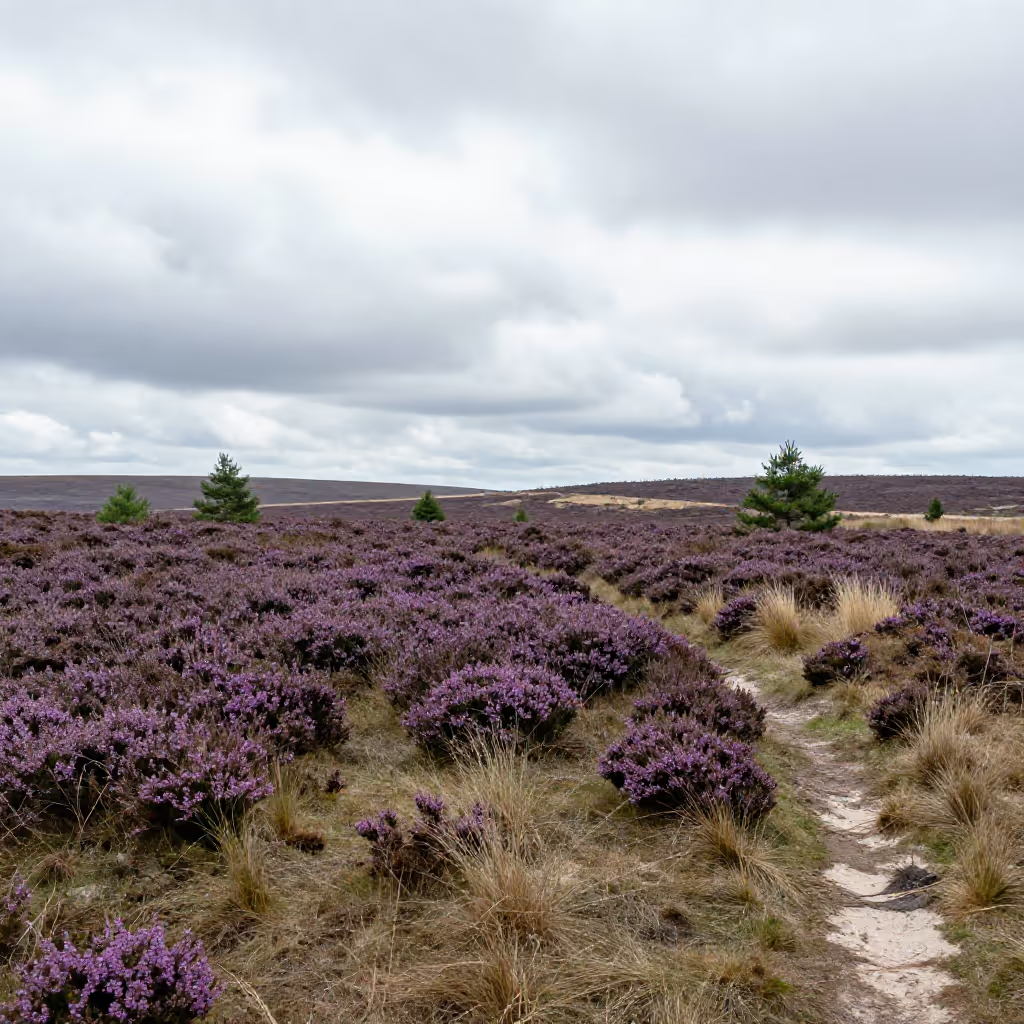
die Heide
heath
An open type of landscape mainly covered with low-growing shrubs (heather) and grasses.
EXAMPLE
Im Spätsommer blüht die Lüneburger Heide in einem wunderschönen Lila.
In late summer, the Lüneburg Heath blooms in a beautiful purple.
heath / pagan woman
Loading your saved state.
heath
An open type of landscape mainly covered with low-growing shrubs (heather) and grasses.
Im Spätsommer blüht die Lüneburger Heide in einem wunderschönen Lila.
In late summer, the Lüneburg Heath blooms in a beautiful purple.
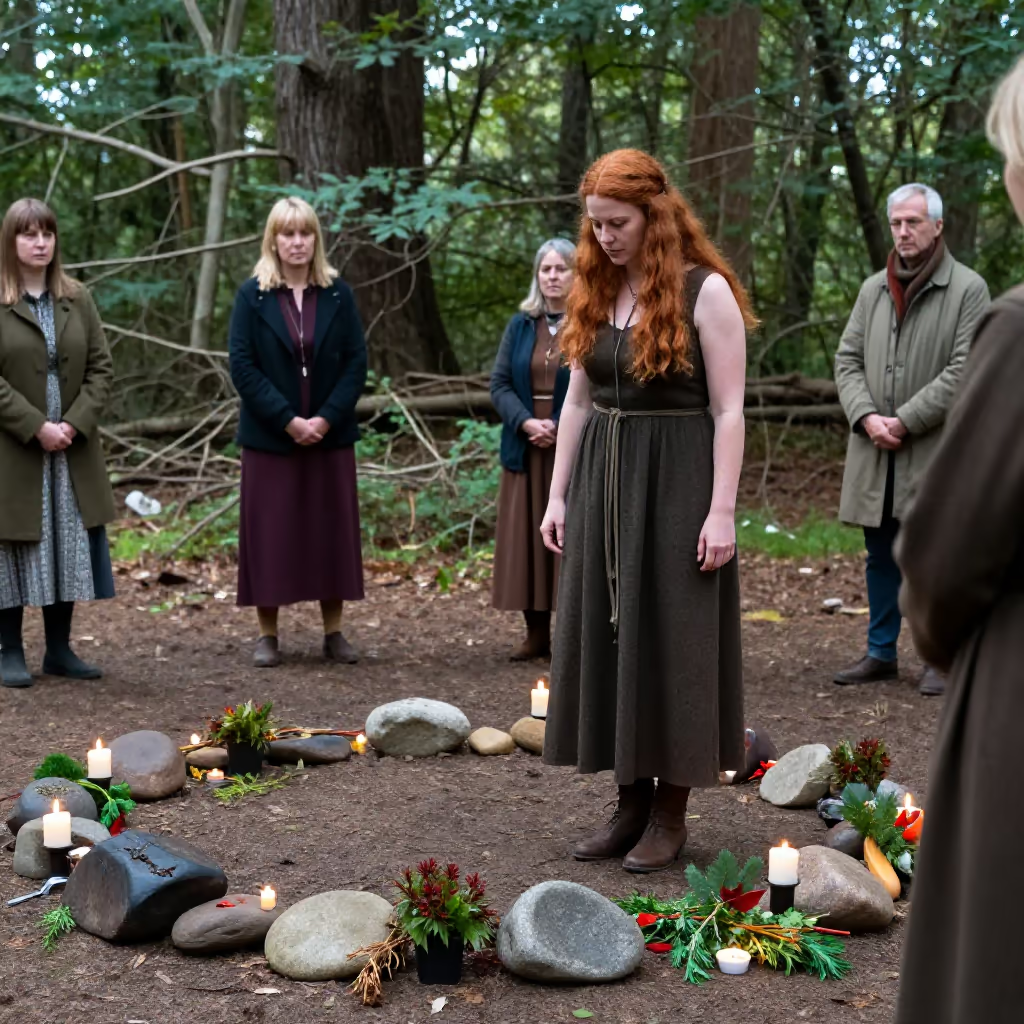
pagan woman
A female person who does not belong to one of the major monotheistic world religions (Christianity, Judaism, Islam); a female pagan.
Die Missionare versuchten, die Heide von ihrem neuen Glauben zu überzeugen.
The missionaries tried to convince the pagan woman of their new faith.
The two meanings of 'Heide' are very different. The context makes clear what is meant: if it is about nature, landscape, and plants, it refers to the landscape. If it is about religion or history, it refers to a person.
Im Herbst färbt sich die Heide braun.
In autumn, the heath turns brown.
In connection with the landscape, certain expressions are very common. These include 'blühende Heide' (blooming heath), 'durch die Heide wandern' (to hike through the heath), and the name of the famous 'Lüneburger Heide' (Lüneburg Heath) in northern Germany.
Wir machten einen Ausflug in die blühende Heide.
We took a trip to the blooming heath.
When 'die Heide' refers to a person, it belongs to the word family around paganism. The masculine form is 'der Heide' (the pagan man), and the religion or worldview is called 'das Heidentum' (paganism).
Der römische Soldat war ein Heide, bevor er zum Christentum konvertierte.
The Roman soldier was a pagan before he converted to Christianity.