

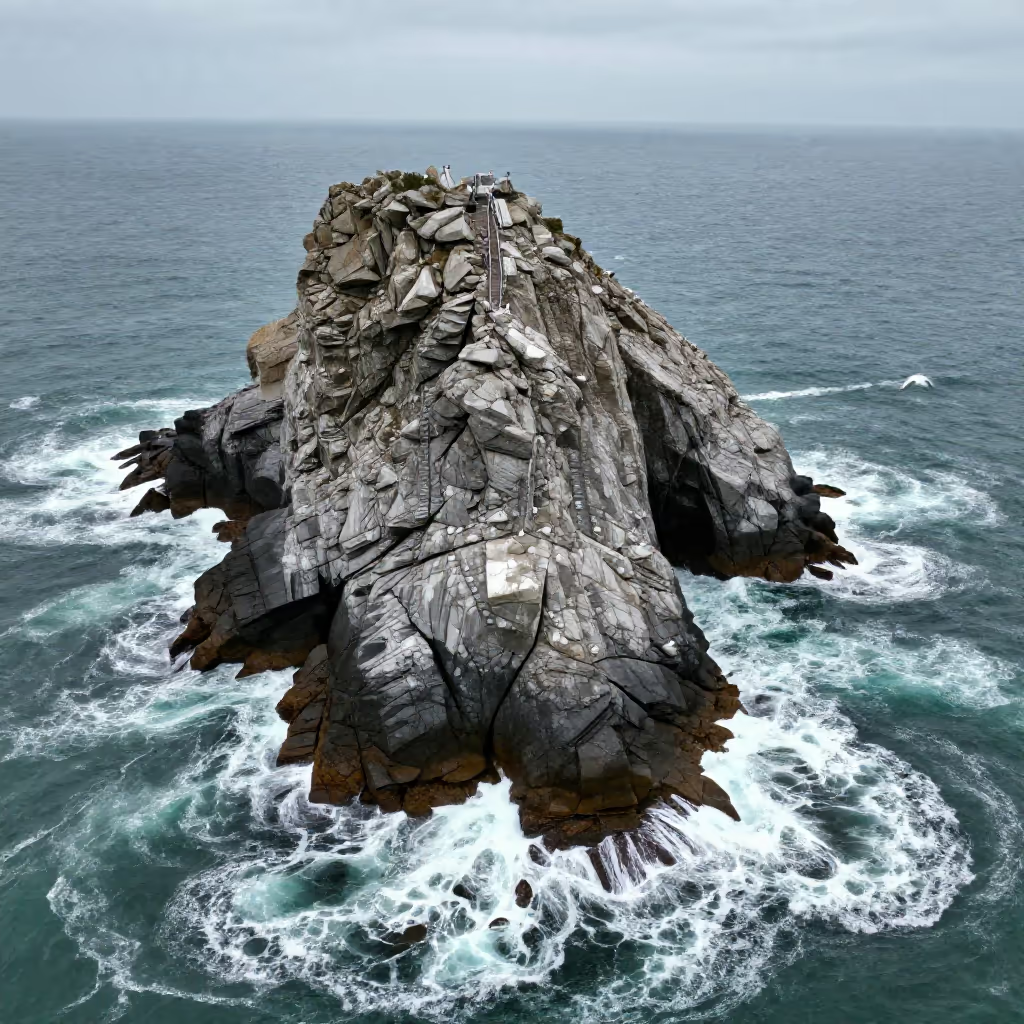
das Kap
cape
A striking, often high and rocky point of land that extends far into the sea or a large lake.
EXAMPLE
Das Schiff umrundete sicher das stürmische Kap Hoorn.
The ship safely rounded the stormy Cape Horn.
cape
Loading your saved state.
cape
A striking, often high and rocky point of land that extends far into the sea or a large lake.
Das Schiff umrundete sicher das stürmische Kap Hoorn.
The ship safely rounded the stormy Cape Horn.
The word 'Kap' (cape) is often part of geographical proper names. World-famous examples are 'das Kap der Guten Hoffnung' (the Cape of Good Hope) in South Africa or 'Kap Hoorn' (Cape Horn) in South America.
Die portugiesischen Seefahrer waren die ersten Europäer am Kap der Guten Hoffnung.
The Portuguese sailors were the first Europeans at the Cape of Good Hope.
A typical verb used together with 'Kap' (cape) is 'umrunden' (to round/circle). It describes a ship's voyage around the point of land.
Der Kapitän entschied, das stürmische Kap weiträumig zu umrunden.
The captain decided to give the stormy cape a wide berth and round it from far away.
'Das Kap' (the cape) is a technical geographical term. It is mainly used when talking about geography, seafaring, or coastal formations.
Auf der alten Seekarte war das gefährliche Kap deutlich markiert.
The dangerous cape was clearly marked on the old nautical chart.
cape
Kap and Cape can both refer to a headland that extends far out into the sea. “Kap” is the German geographical term, while “Cape” is mainly used in geographical proper names. Use “Kap” for a general description and “Cape” when the English-influenced name is meant.
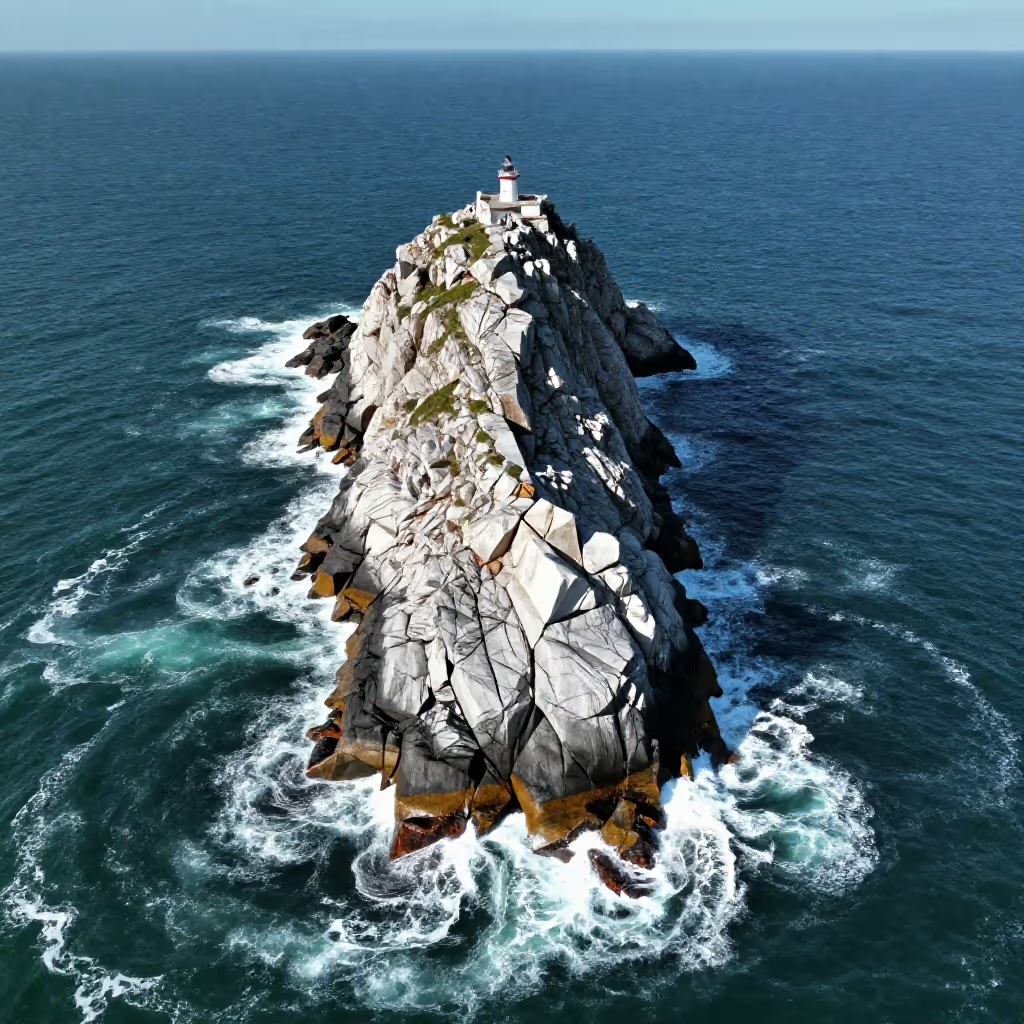
Das Schiff umfuhr das felsige Kap an der Südspitze der Insel.
The ship sailed around the rocky cape at the southern tip of the island.
Auf der englischen Karte war die Landspitze als Cape Wrath eingetragen.
On the English map, the headland was marked as Cape Wrath.