

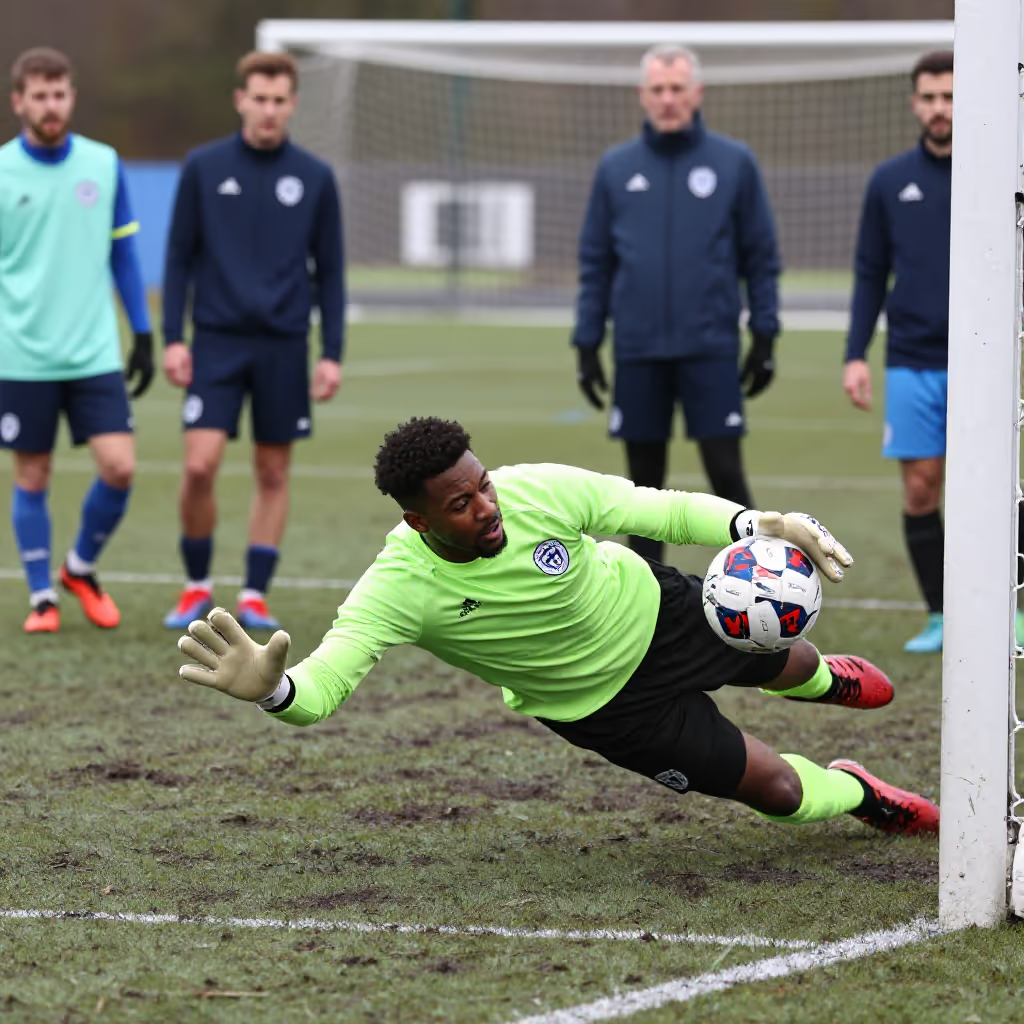
A colloquial term borrowed from English for the goalkeeper in a sports team, especially in soccer or ice hockey.
example
Der Keeper hielt den Elfmeter und sicherte seiner Mannschaft den Sieg.
The goalkeeper saved the penalty and secured the victory for his team.
Usage tips
Register and style
'Keeper' is a colloquial word from English. It is used mainly in sports reporting and among fans.
EXAMPLE
Unser Keeper war heute der beste Mann auf dem Platz.
Our goalkeeper was the best man on the field today.
Context: sports
The word 'Keeper' is used exclusively in a sports context for the goalkeeper, typically in 'Fußball' (soccer), 'Handball' (handball), or 'Eishockey' (ice hockey).
EXAMPLE
Der Eishockey-Keeper trug eine beeindruckende Maske.
The ice hockey goalkeeper wore an impressive mask.
Typical collocations
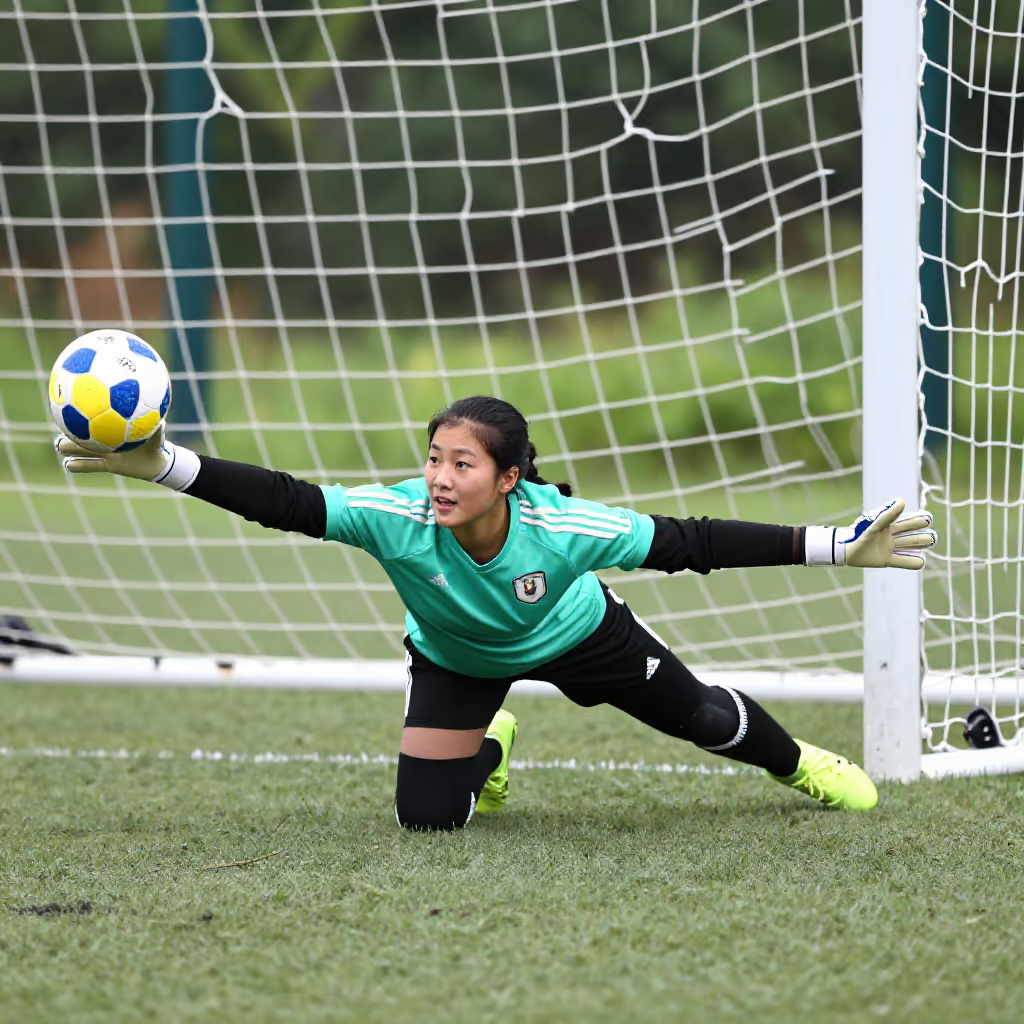
Common verbs associated with a goalkeeper describe their actions: to 'halten' (save/stop) a shot, to 'parieren' (save) a penalty, or to 'festhalten' (hold on to) the victory.
EXAMPLE
Mit einer tollen Parade konnte der Keeper das Tor verhindern.
With a great save, the goalkeeper was able to prevent the goal.
Compare with
near_synonym · confusable
Keeper vs Torwart
goalkeeper
'der Torwart' and 'der Keeper' both refer to the player who defends the goal. The difference is mainly in style. 'Torwart' is the normal German word and fits in almost any context. 'Keeper' is colloquial and comes from English. You often hear it in sports reports or among soccer fans. The words can be confused because they refer to the same role. If you want to speak neutrally, 'Torwart' is safer; 'Keeper' sounds more casual and sporty.
Keeper
Der Keeper sprang in die rechte Ecke und rettete sein Team.
The goalkeeper jumped into the right corner and saved his team.
Torwart
Unser Torwart trainiert heute besonders das Fangen hoher Bälle.
Our goalkeeper is practicing catching high balls in particular today.