

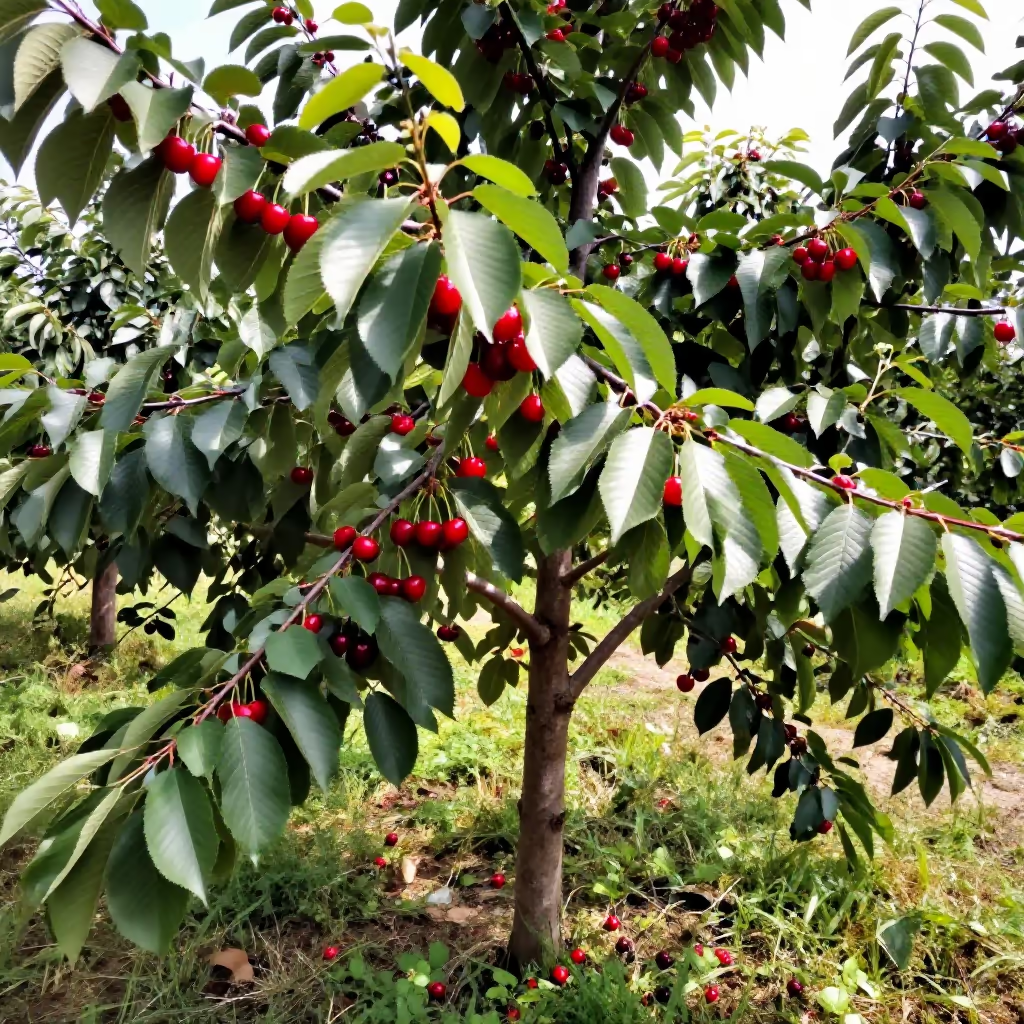
A tree from the genus Prunus that bears cherries as fruit.
example
Im Sommer klettern die Kinder auf den alten Kirschbaum, um die reifen Früchte zu pflücken.
In summer, the children climb the old cherry tree to pick the ripe fruit.
Usage tips
Compound word
This word is a good example of a compound noun. It consists of 'die Kirsche' (the cherry) and 'der Baum' (the tree) and literally means 'a tree that bears cherries.'
EXAMPLE
Unser Nachbar hat einen riesigen Kirschbaum im Garten.
Our neighbor has a huge cherry tree in the garden.
Productive word formation
The structure 'fruit + Baum' (tree) is very common in German for naming fruit trees. If you know this pattern, you can understand many other tree names or even form them yourself.
EXAMPLE
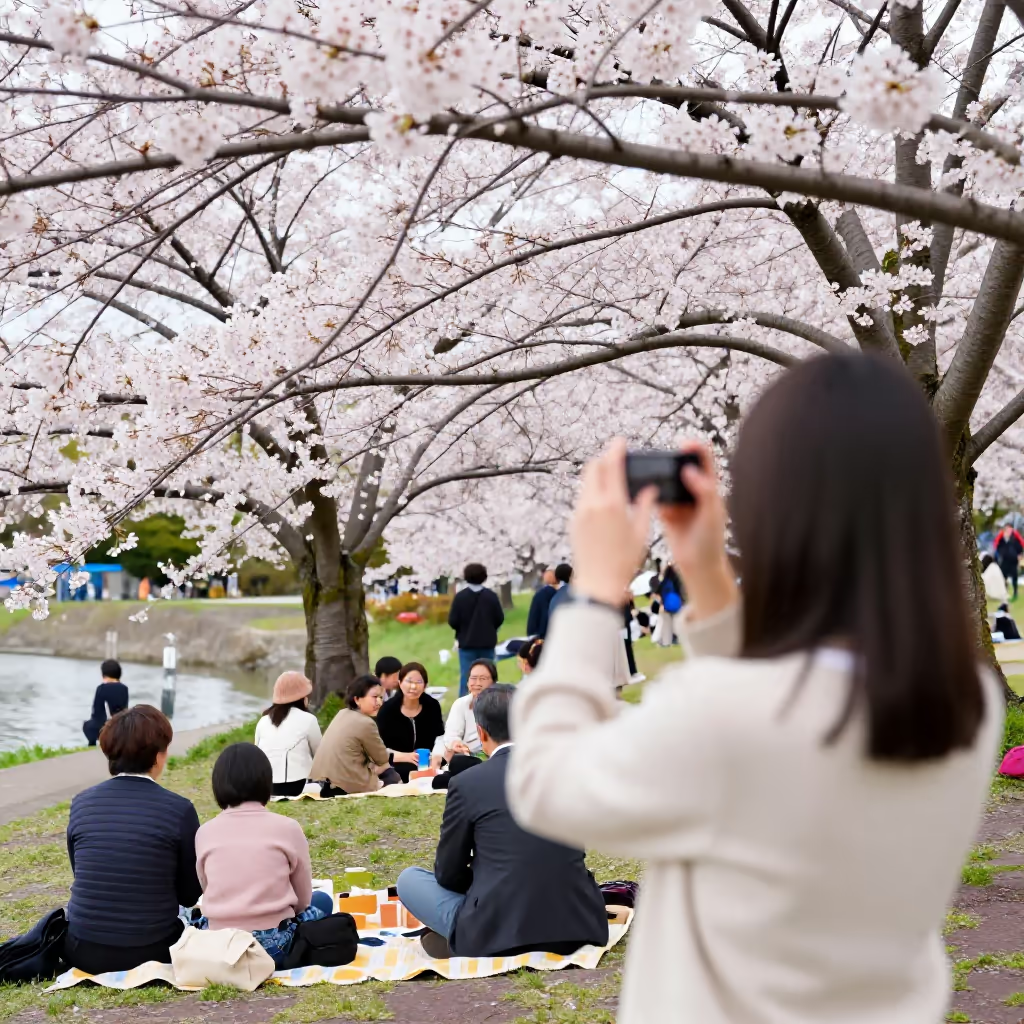
Im Frühling blüht der Kirschbaum wunderschön weiß.
In spring, the cherry tree blooms beautifully white.
Typical collocations
A Kirschbaum (cherry tree) can 'blühen' (bloom), 'Früchte tragen' (bear fruit), or 'geschnitten werden' (be pruned). People can 'auf einen Kirschbaum klettern' (climb a cherry tree) or 'Kirschen vom Baum pflücken' (pick cherries from the tree).
EXAMPLE
Wir müssen den alten Kirschbaum bald schneiden, damit er gesund bleibt.
We need to prune the old cherry tree soon so that it stays healthy.
Compare with
near_synonym · confusable
Kirschbaum vs Kirsche
cherry
'Kirsche' and 'Kirschbaum' are closely related because cherries grow on cherry trees. But the difference is clear: 'die Kirsche' is the fruit that you can eat. 'der Kirschbaum' is the plant on which these fruits grow. You can confuse the words when talking about gardens, nature, or fruit. When it is about food, taste, or a cake, you say 'Kirsche'. When it is about the tree in the garden or its blossoms, you say 'Kirschbaum'.
Kirschbaum
Im Garten meiner Eltern steht ein alter Kirschbaum.
There is an old cherry tree in my parents' garden.