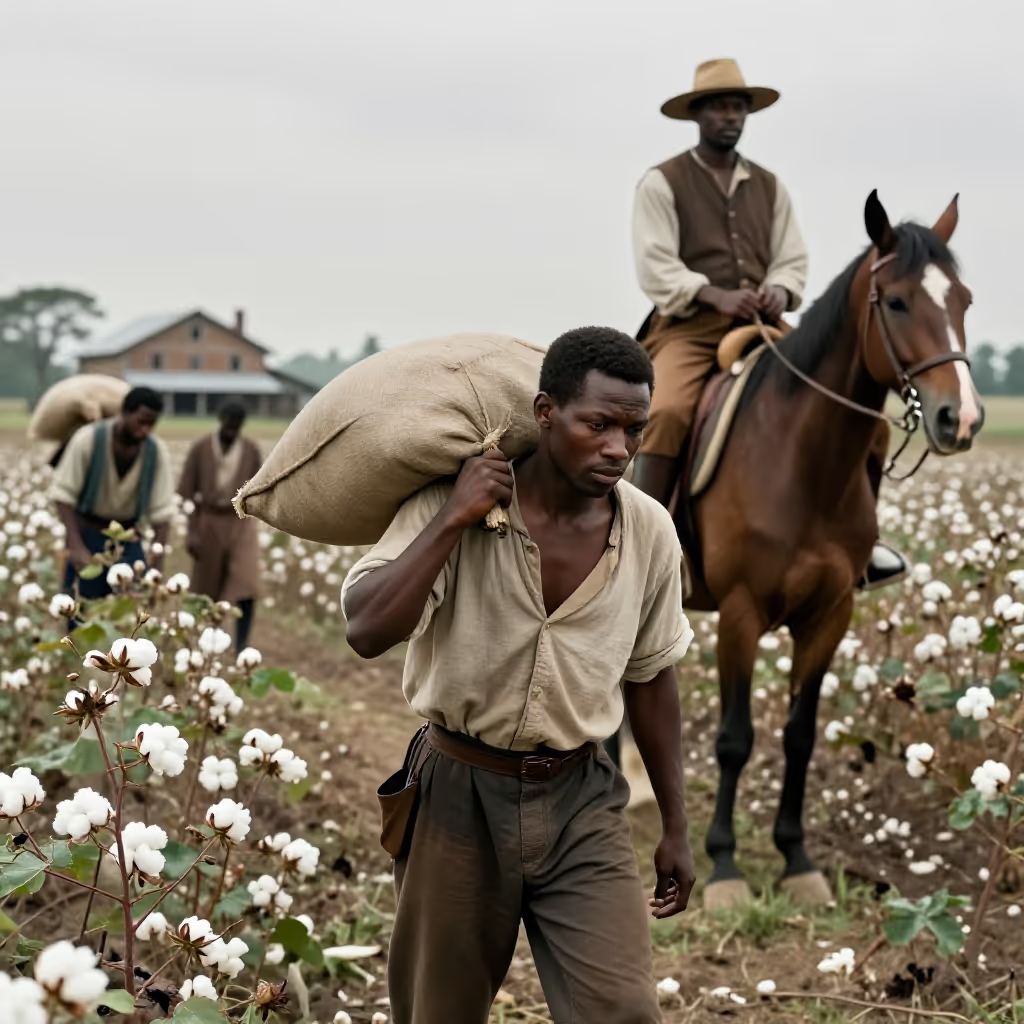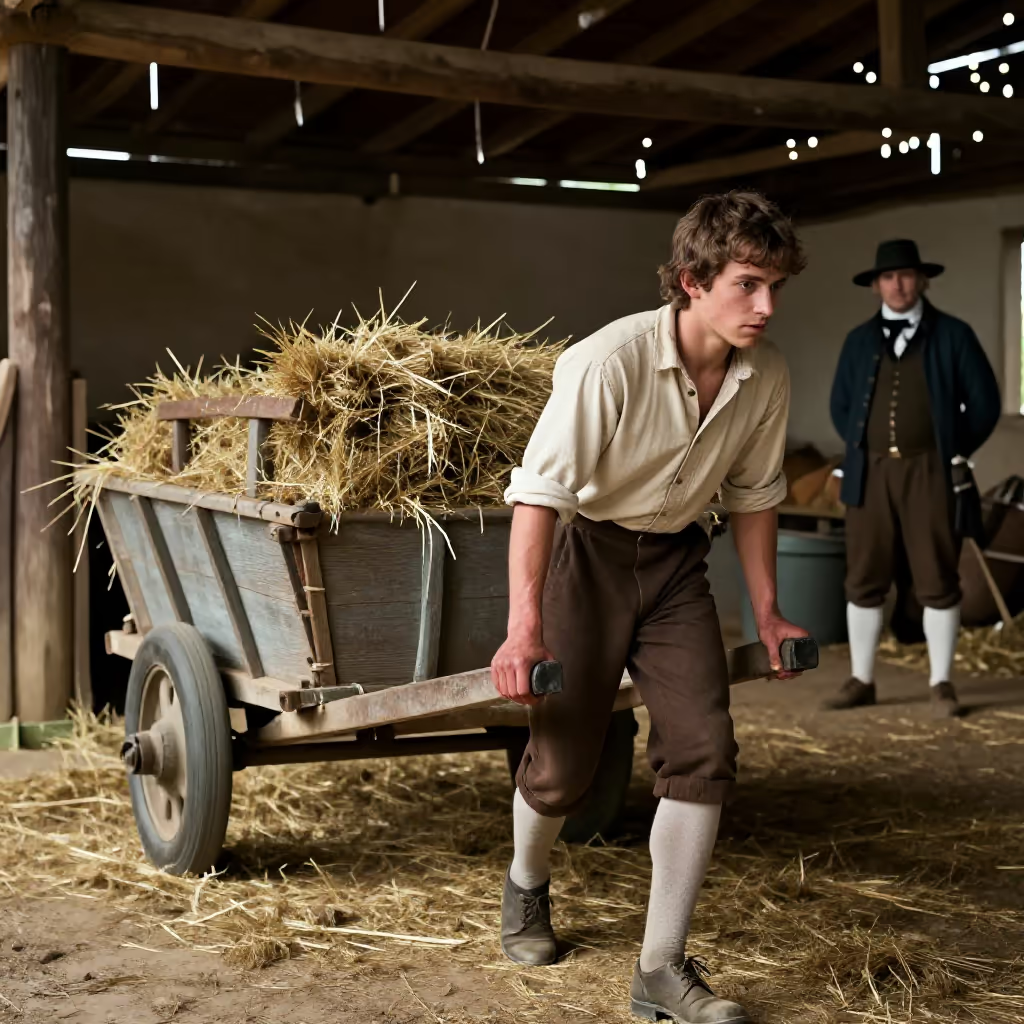
A historical term for a male employee who did heavy physical work, especially in agriculture.
example
Der Bauer und sein Knecht arbeiteten von früh bis spät auf dem Feld.
The farmer and his farmhand worked in the field from early morning until late at night.

Usage tips
Word family
The noun 'der Knecht' (the farmhand/servant) is the root of the verb 'knechten' (to oppress someone) and the noun 'die Knechtschaft' (bondage, state of unfreedom). These words help you understand the negative and submissive connotation.
EXAMPLE
Er fühlte sich von seinem Vorgesetzten regelrecht geknechtet.
He felt downright oppressed by his supervisor.
Historical term
The word 'Knecht' (farmhand/servant) is no longer used today for employees. It is a historical term that you mainly find in books, films, or stories set in the past.
EXAMPLE
Im Mittelalter war das Leben eines Knechtes sehr hart.
In the Middle Ages, the life of a farmhand was very hard.
Strongly derogatory
When the word is used today for a person, it is a strong insult. It expresses that someone behaves submissively and has no opinion of their own.
EXAMPLE
Lass dich nicht wie ein Knecht behandeln und sag deine Meinung!
Don't let yourself be treated like a servant, and speak your mind!
Cultural context
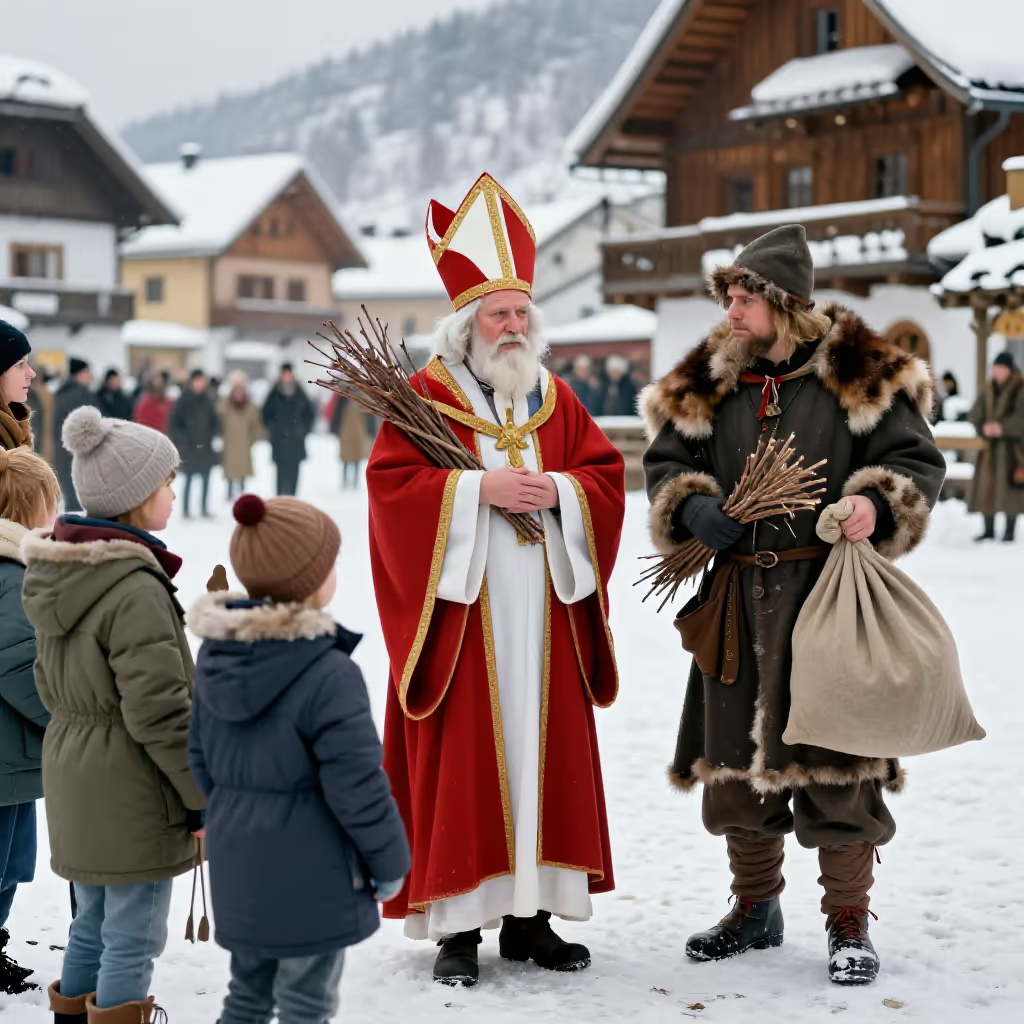
'Knecht Ruprecht' is a fixed name for a figure from the German Christmas tradition. He is the strict companion of Saint Nicholas, who punishes naughty children.
EXAMPLE
Früher erzählte man Kindern, dass Knecht Ruprecht sie mitnimmt, wenn sie nicht brav sind.
In the past, people told children that Knecht Ruprecht would take them away if they were not well-behaved.
Compare with
antonym
Knecht vs Herr
gentleman / Mr.
'der Herr' and 'der Knecht' form an opposition when it comes to power and dependence. 'der Herr' is then the person who decides or has control. 'der Knecht' is the person who has to serve or carry out instructions. Today, 'Knecht' sounds old-fashioned in its historical meaning, especially for work on a farm. In its figurative meaning, it is derogatory and refers to someone who behaves very submissively.
Knecht
Der Knecht arbeitete den ganzen Tag auf dem Feld und brachte abends die Tiere in den Stall.
The farmhand worked in the field all day and brought the animals into the stable in the evening.
Herr
In der alten Geschichte gab der Herr seinen Knechten jeden Morgen neue Aufgaben.
In the old story, the master gave his servants new tasks every morning.