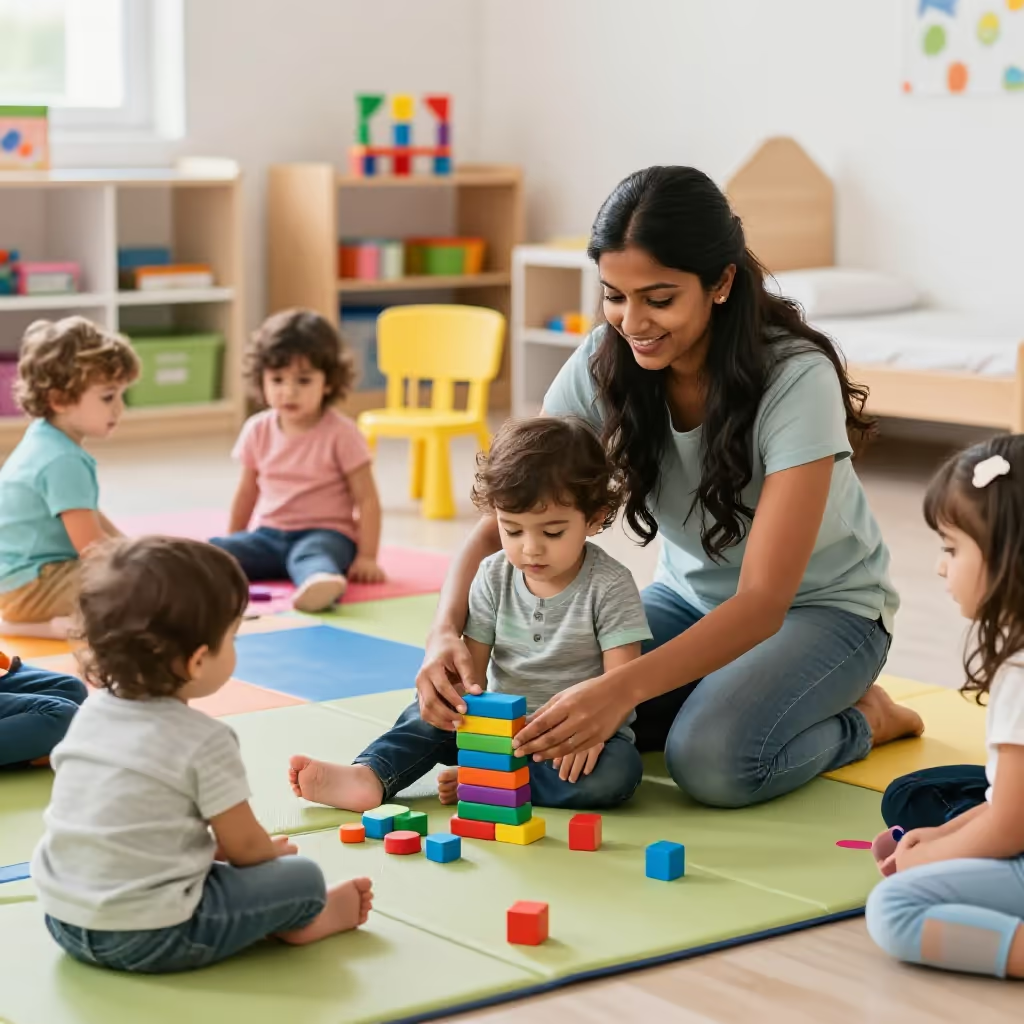
die Krippe
nursery
A facility for caring for small children under the age of three during the day, often as part of a daycare center (Kita).
Unser Sohn geht seit letztem Monat in die Krippe.
Our son has been going to the nursery since last month.
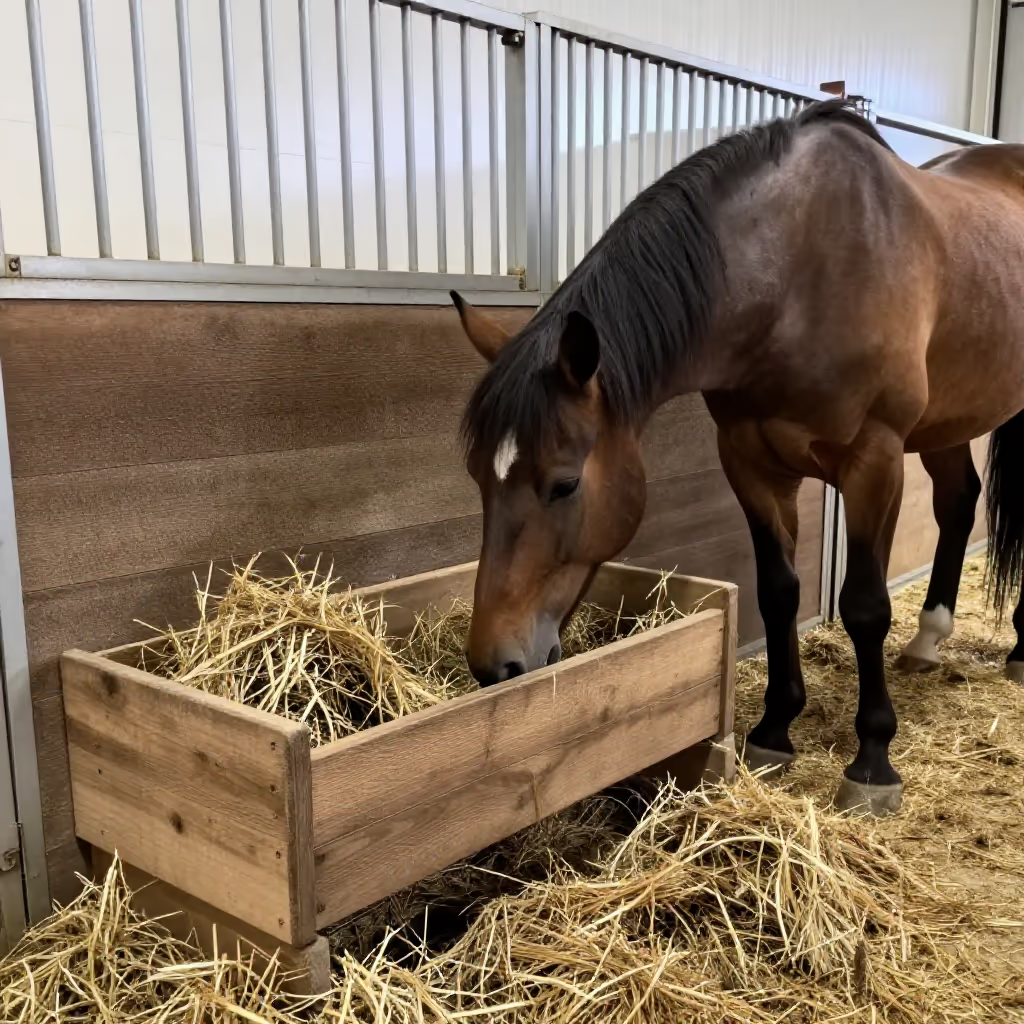
nursery / manger
Loading your saved state.

nursery
A facility for caring for small children under the age of three during the day, often as part of a daycare center (Kita).
Unser Sohn geht seit letztem Monat in die Krippe.
Our son has been going to the nursery since last month.

manger
A feeding trough for animals, especially for hay in a stable.
Der Bauer füllte die Krippe mit frischem Heu für die Kühe.
The farmer filled the manger with fresh hay for the cows.

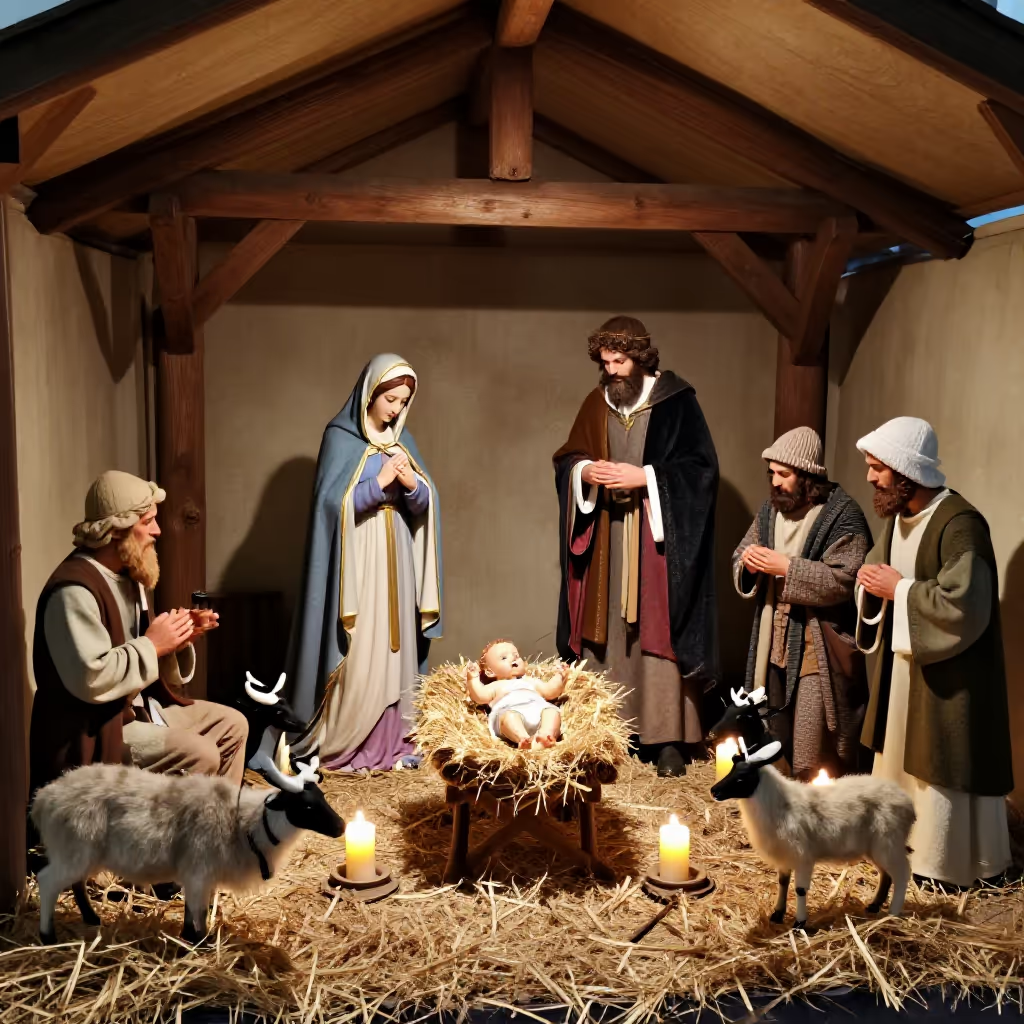
manger / nativity scene
The feeding trough into which the baby Jesus was placed after his birth in the Christmas story. Also refers to the figurative representation of the entire nativity scene.
Zu Weihnachten stellen wir immer eine Krippe unter den Tannenbaum.
At Christmas, we always put a nativity scene under the Christmas tree.
You can easily recognize the meaning of 'Krippe' (nursery/manger) from context. If it is about children and care, it means a daycare facility. If it is about animals and feed, it means the feeding trough. In the context of Christmas, it means the nativity scene of Jesus.
Viele Eltern suchen lange nach einem Platz in einer guten Krippe.
Many parents spend a long time looking for a place in a good nursery.
When talking about childcare, you use 'in die Krippe' (to the nursery, accusative) for movement there and 'in der Krippe' (at/in the nursery, dative) for being there.
Morgens bringt er seinen Sohn in die Krippe.
In the morning, he takes his son to the nursery.
The Christmas nativity scene is a central part of Christmas decoration in many homes and churches in German-speaking countries. It depicts the birth of Jesus in the stable.
Jedes Jahr kaufen wir eine neue Figur für unsere Krippe.
Every year we buy a new figure for our nativity scene.
In the meaning of 'Futtertrog' (feeding trough), 'Krippe' (manger) is often combined with the verb 'füllen' (to fill) and the noun 'Heu' (hay) or 'Futter' (feed).
Der Pferdewirt füllt die Krippen jeden Morgen mit frischem Heu.
The horse keeper fills the mangers with fresh hay every morning.
daycare center
Both words can refer to a facility that provides care for children. Kita is the general term for a childcare facility and can also include older children, whereas Krippe is specifically intended for children under three. Use „Krippe“ when the child’s age is important.

Unser zweijähriger Sohn besucht seit August eine Krippe in der Nähe.
Our two-year-old son has been attending a nursery nearby since August.
Unsere Tochter geht seit September jeden Morgen in die Kita.
Our daughter has been going to daycare every morning since September.