

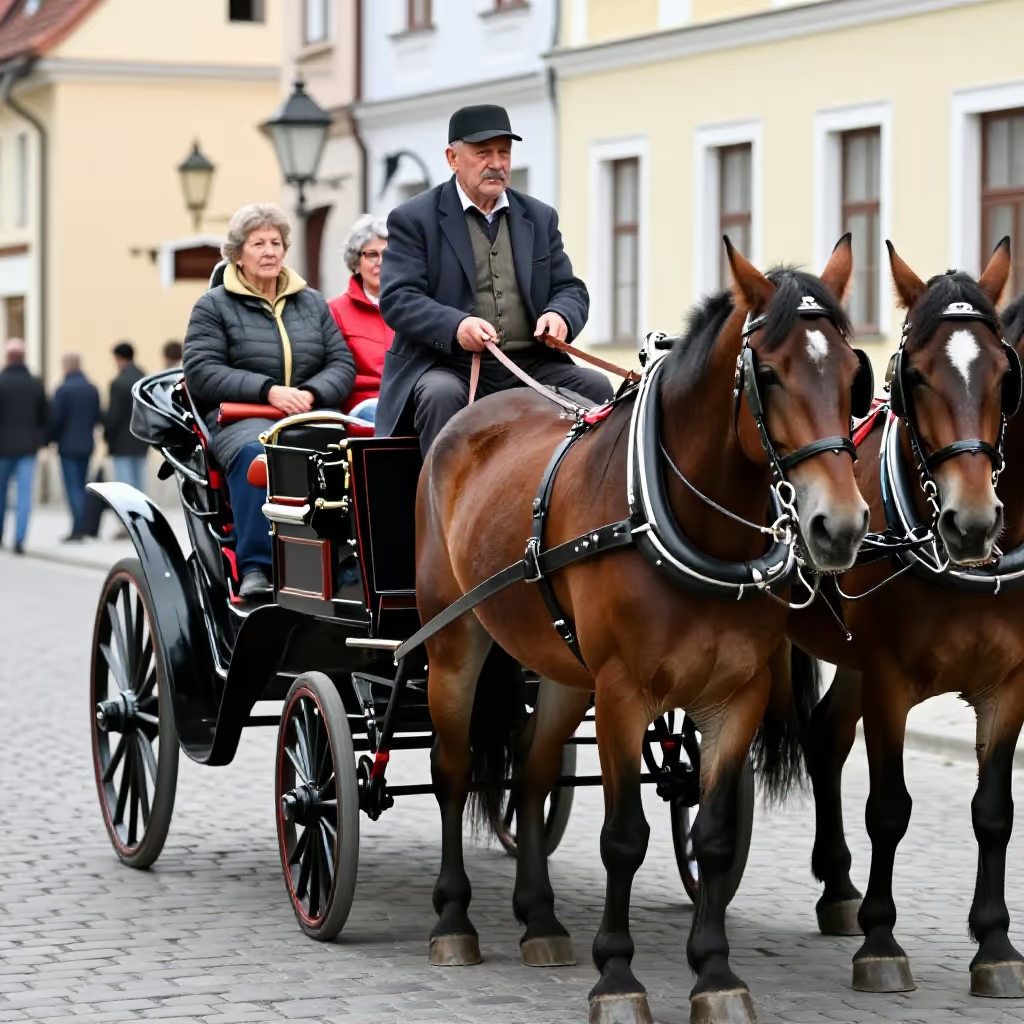
der Kutscher
coachman
A person who drives a horse-drawn carriage.
EXAMPLE
In Wien kann man eine Stadtrundfahrt mit einem Fiaker machen, der von einem Kutscher gefahren wird.
In Vienna, you can take a city tour in a fiacre driven by a coachman.
coachman
Loading your saved state.
coachman
A person who drives a horse-drawn carriage.
In Wien kann man eine Stadtrundfahrt mit einem Fiaker machen, der von einem Kutscher gefahren wird.
In Vienna, you can take a city tour in a fiacre driven by a coachman.

to swear like a trooper
An idiom meaning that someone complains, curses, or swears very strongly, loudly, and vulgarly.
Als er sich mit dem Hammer auf den Daumen schlug, fluchte er wie ein Kutscher.
When he hit his thumb with the hammer, he swore like a trooper.
The word 'der Kutscher' (coachman) is derived from 'die Kutsche' (carriage, a horse-drawn vehicle). The ending '-er' here refers to the person who performs this activity. A Kutscher is therefore the driver of a carriage.
Der Kutscher wartete mit seiner Kutsche vor dem Hotel auf die Touristen.
The coachman waited with his carriage in front of the hotel for the tourists.
The idiom 'fluchen wie ein Kutscher' (to swear like a trooper; literally, to swear like a coachman) or 'schimpfen wie ein Kutscher' is very common. It means that someone complains or curses very loudly, vulgarly, and angrily.
Als sein Computer abstürzte, hat er geschimpft wie ein Kutscher.
When his computer crashed, he swore like a trooper.
The profession of coachman is rare today and is mostly a tourist attraction, for example in historic cities. The word itself, however, is still well known and is used for this activity.
In Salzburg erklärte der Kutscher während der Fahrt die Sehenswürdigkeiten.
In Salzburg, the coachman explained the sights during the ride.
carter
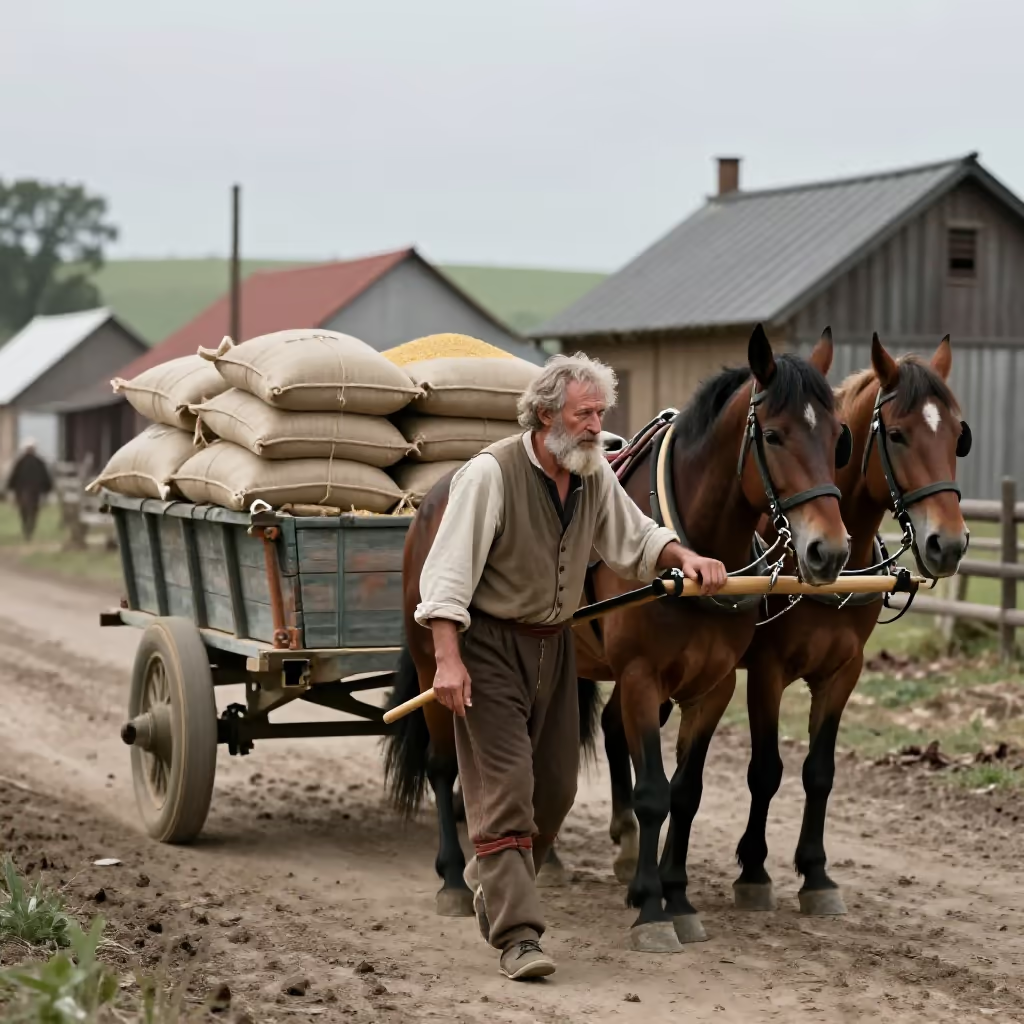
Both words can refer to a person driving a horse-drawn wagon. „Kutscher“ generally means the person who drives a horse-drawn carriage, while „Fuhrmann“ specifically refers to the historical occupation of transporting goods commercially with a wagon. Use „Kutscher“ for transporting people and „Fuhrmann“ for commercially transported goods.
Der Kutscher lenkte die Pferdekutsche mit den Reisenden sicher durch das Dorf.
The coachman safely drove the horse-drawn carriage carrying the travelers through the village.
Der Fuhrmann transportierte die Waren mit seinem Pferdewagen zum Markt.
The carter transported the goods to the market in his horse-drawn wagon.