

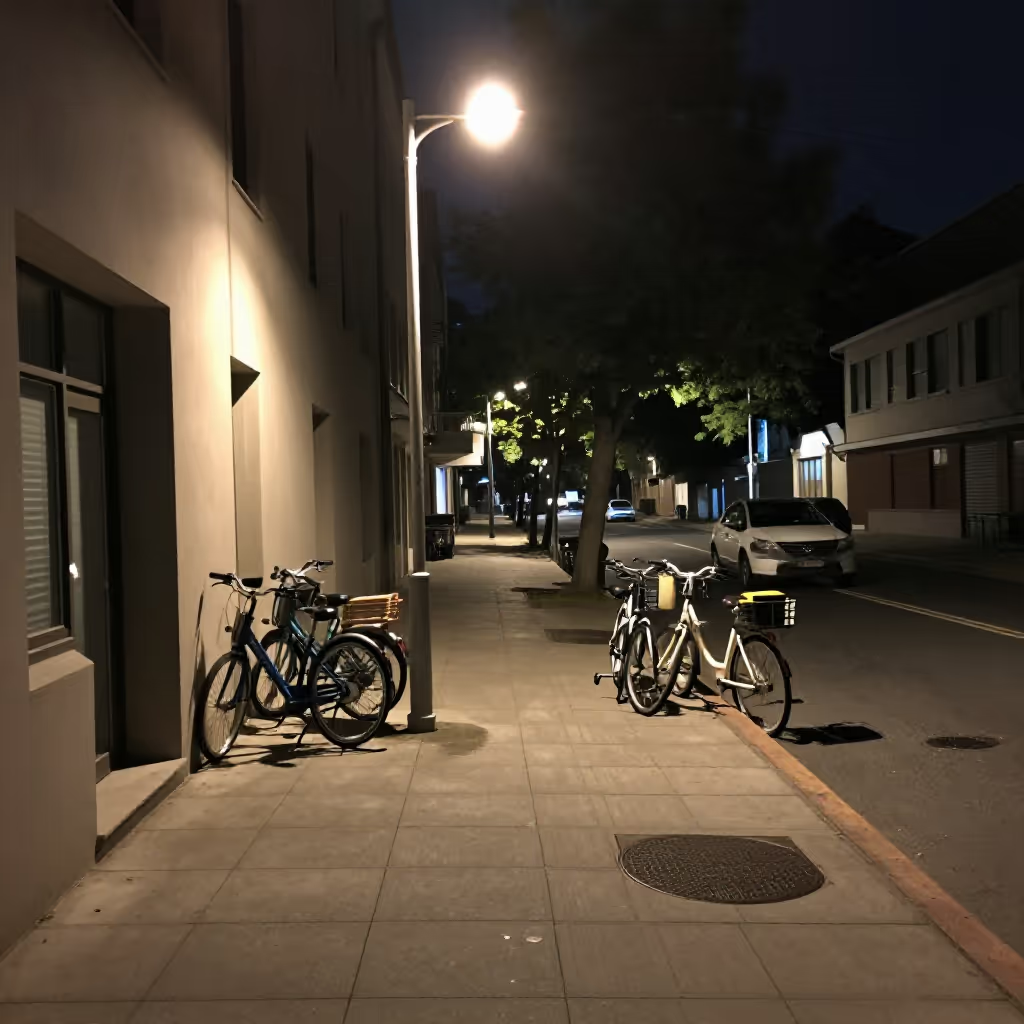
die Laterne
streetlight
A light fixed to a pole for lighting streets, paths, or squares in the dark; a streetlamp.
EXAMPLE
Die einzige Laterne in der kleinen Gasse flackerte.
The only streetlight in the small alley flickered.
lantern / streetlight
Loading your saved state.
streetlight
A light fixed to a pole for lighting streets, paths, or squares in the dark; a streetlamp.
Die einzige Laterne in der kleinen Gasse flackerte.
The only streetlight in the small alley flickered.
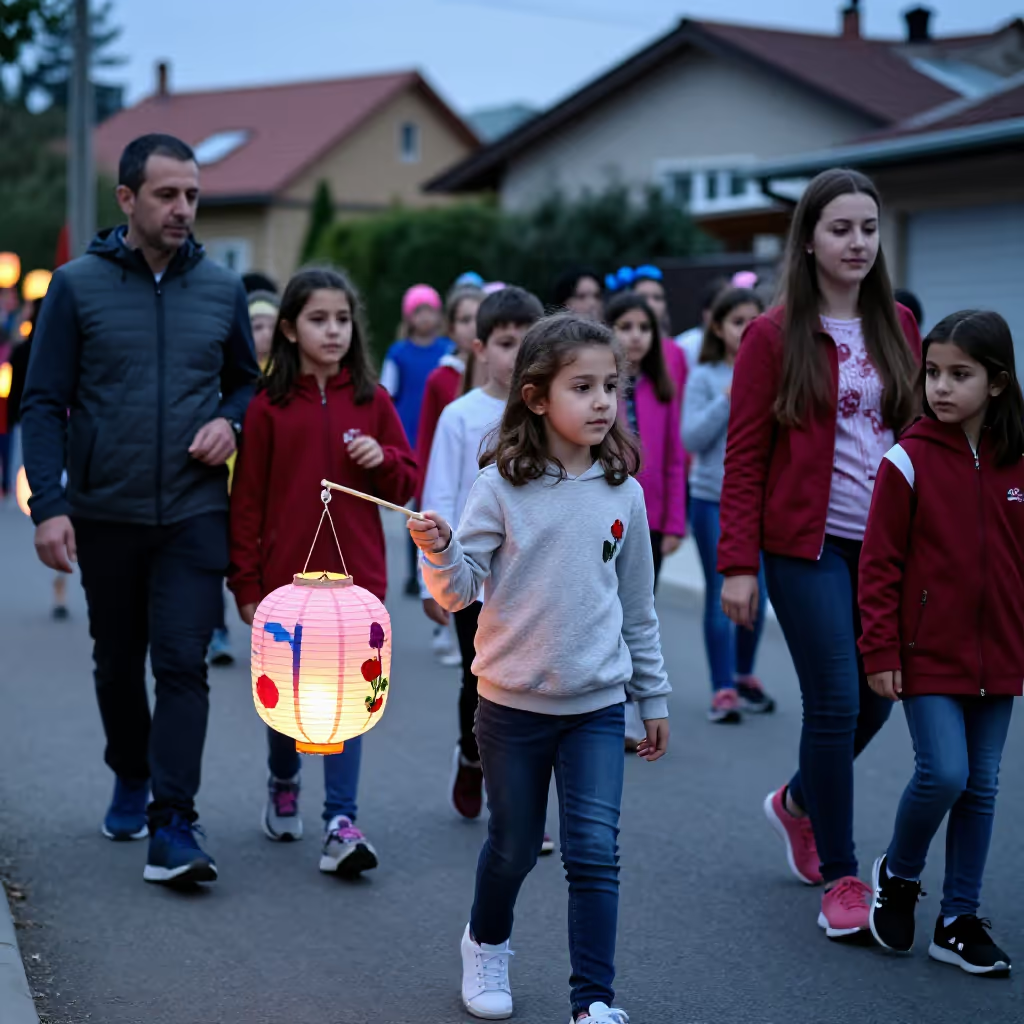
lantern
A portable lamp with a protective casing around the light source, often used outdoors. In particular, it also refers to the colorful paper lanterns that children carry in parades.
Zum Martinsumzug bastelten die Kinder ihre eigenen Laternen.
For the St. Martin's parade, the children made their own lanterns.
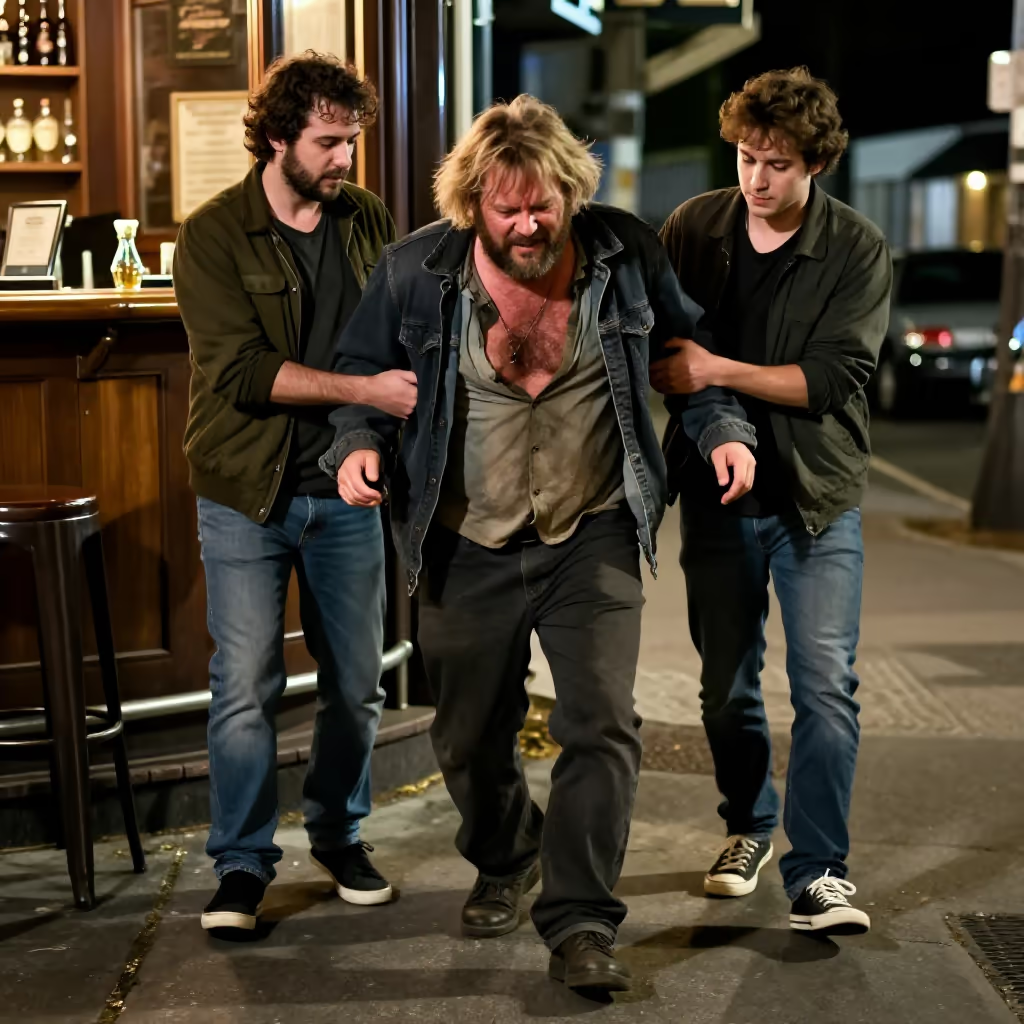
to be very drunk
A colloquial expression meaning 'to be very drunk'.
Nach der Feier hatte er eine ordentliche Laterne und konnte kaum noch geradeaus gehen.
After the party, he was properly drunk and could hardly walk straight anymore.
Context tells you whether a streetlight (m01) or a portable lantern (m02) is meant. In connection with streets, squares, or darkness, it usually means a streetlight. If it is about children, festivals, or parades, it means the portable lantern.
Unter der Laterne wartete eine Gestalt im Schatten.
A figure was waiting in the shadows under the streetlight.
The expression 'eine Laterne haben' colloquially means to be very drunk. The phrasing is fixed and is often intensified with adjectives like 'ordentlich' (proper) or 'gewaltig' (huge).
Er kam von der Party nach Hause und hatte eine gewaltige Laterne.
He came home from the party and was extremely drunk.
The portable lantern has special cultural significance in Germany because of the lantern parades for Saint Martin in November. Children make colorful paper lanterns for them and sing songs.
Im Kindergarten basteln alle Kinder eine Laterne für den Martinsumzug.
At kindergarten, all the children are making a lantern for the St. Martin's parade.
When a streetlight is meant, it is often referred to more specifically as 'Straßenlaterne' (streetlight). Common verbs are 'leuchten' (to shine), 'flackern' (to flicker), or 'angehen' (to come on).
Pünktlich um 21 Uhr gehen in dieser Straße die Laternen an.
Right on time at 9 p.m., the streetlights on this street come on.
lamp
Both words can refer to a portable light source for outdoor use. „Lampe“ is the general term for a device that produces light, while „Laterne“ additionally emphasizes a protective casing around the light source. Use „Laterne“ when this protection or typical outdoor use is important.
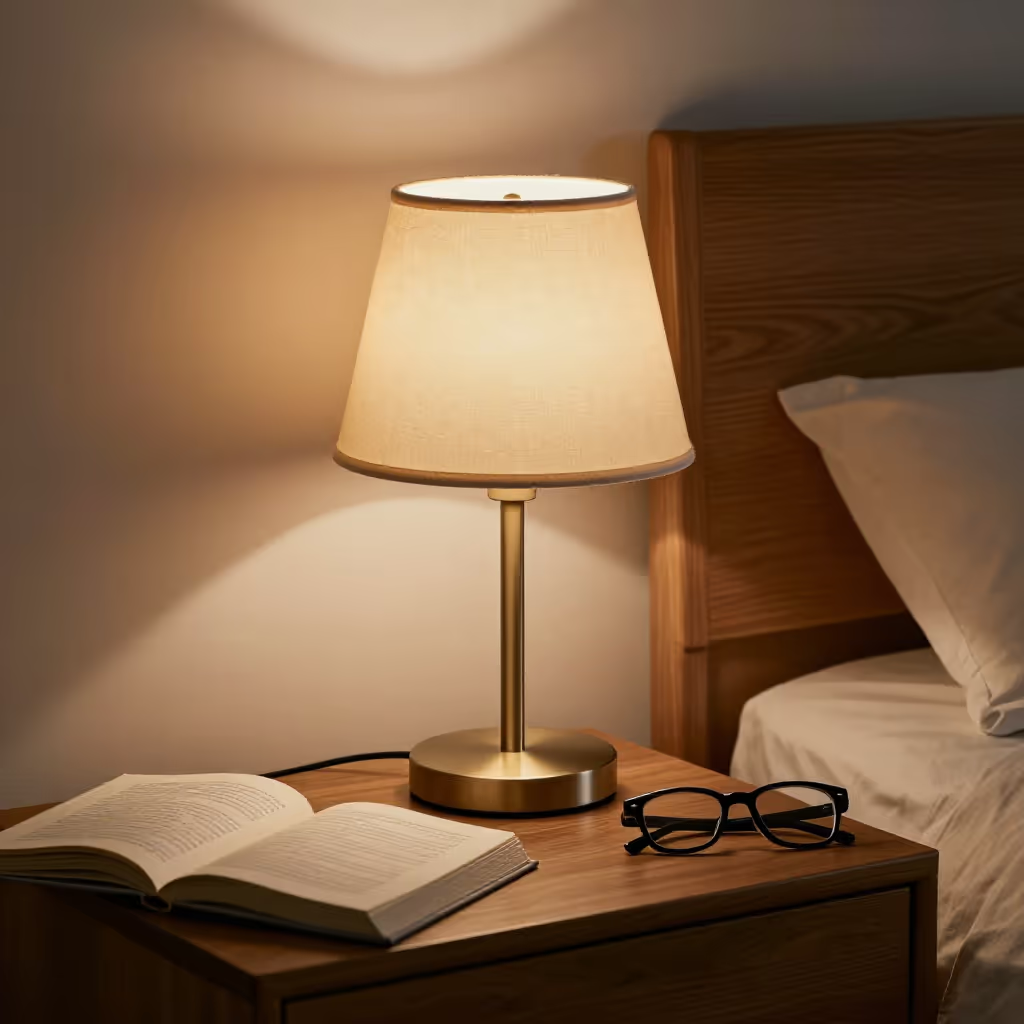
Für den nächtlichen Gartenweg nehme ich eine Laterne mit schützendem Gehäuse mit.
I’m taking a lantern with a protective casing for the garden path at night.
Für den nächtlichen Gartenweg nehme ich eine kleine Lampe mit.
I’m taking a small lamp with me for the garden path at night.