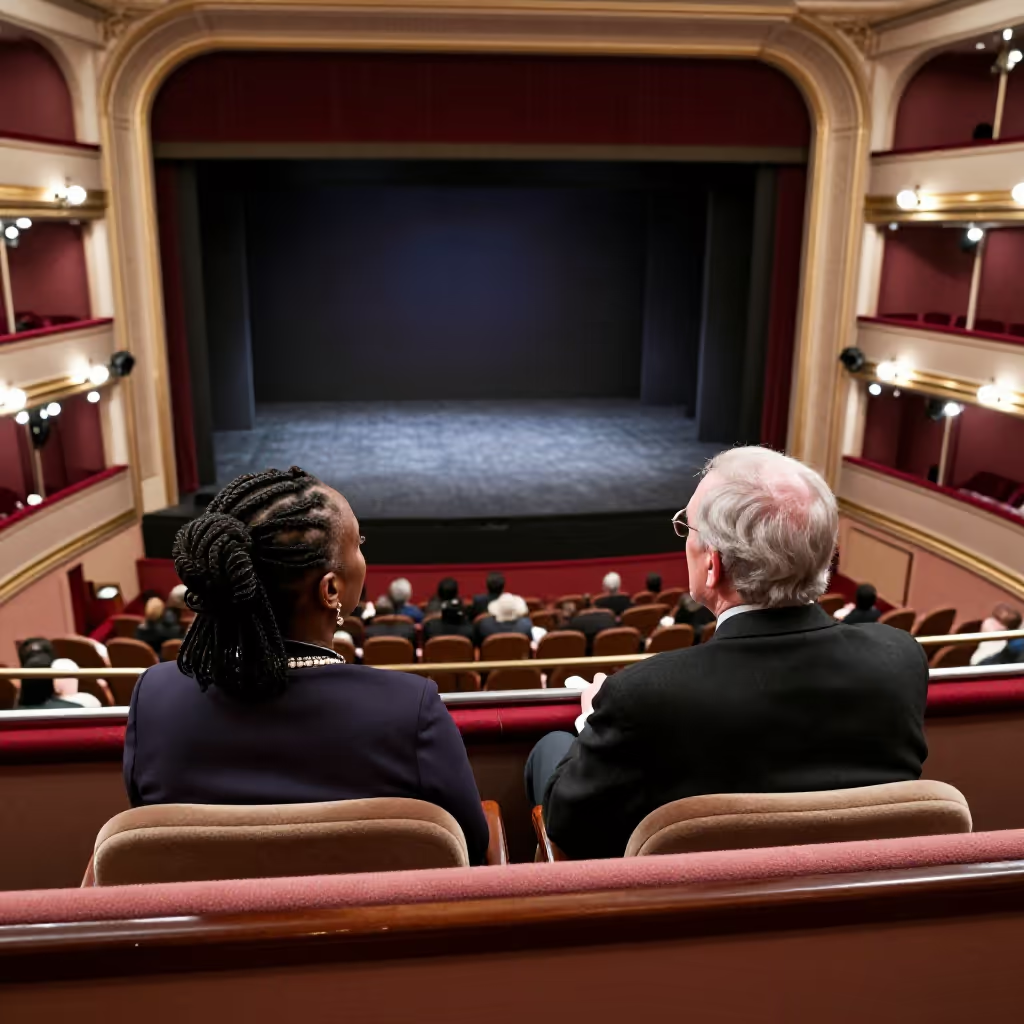
A separated, small area with several seats in a theater, opera house, or stadium that offers a particularly good and private view.
example
Für die Premiere haben wir uns Plätze in einer Loge im ersten Rang gegönnt.
For the premiere, we treated ourselves to seats in a box on the first balcony.
Usage tips
Context clue
When 'Loge' (box) is used in connection with words like 'Theater' (theater), 'Oper' (opera), 'Konzert' (concert), 'Plätze' (seats), or 'Rang' (balcony/tier), it means the separated audience area.
EXAMPLE
Von unserer Loge aus hatten wir eine perfekte Sicht auf die Bühne.
From our box, we had a perfect view of the stage.
Typical collocations
For this exclusive seating area in a theater or opera house, the verbs 'mieten' (to rent) or 'reservieren' (to reserve) are often used. You 'sitzt in der Loge' (sit in the box).
EXAMPLE
Die Firma hat für ihre wichtigsten Kunden eine Loge im Stadion gemietet.
The company rented a box in the stadium for its most important clients.
Context clue
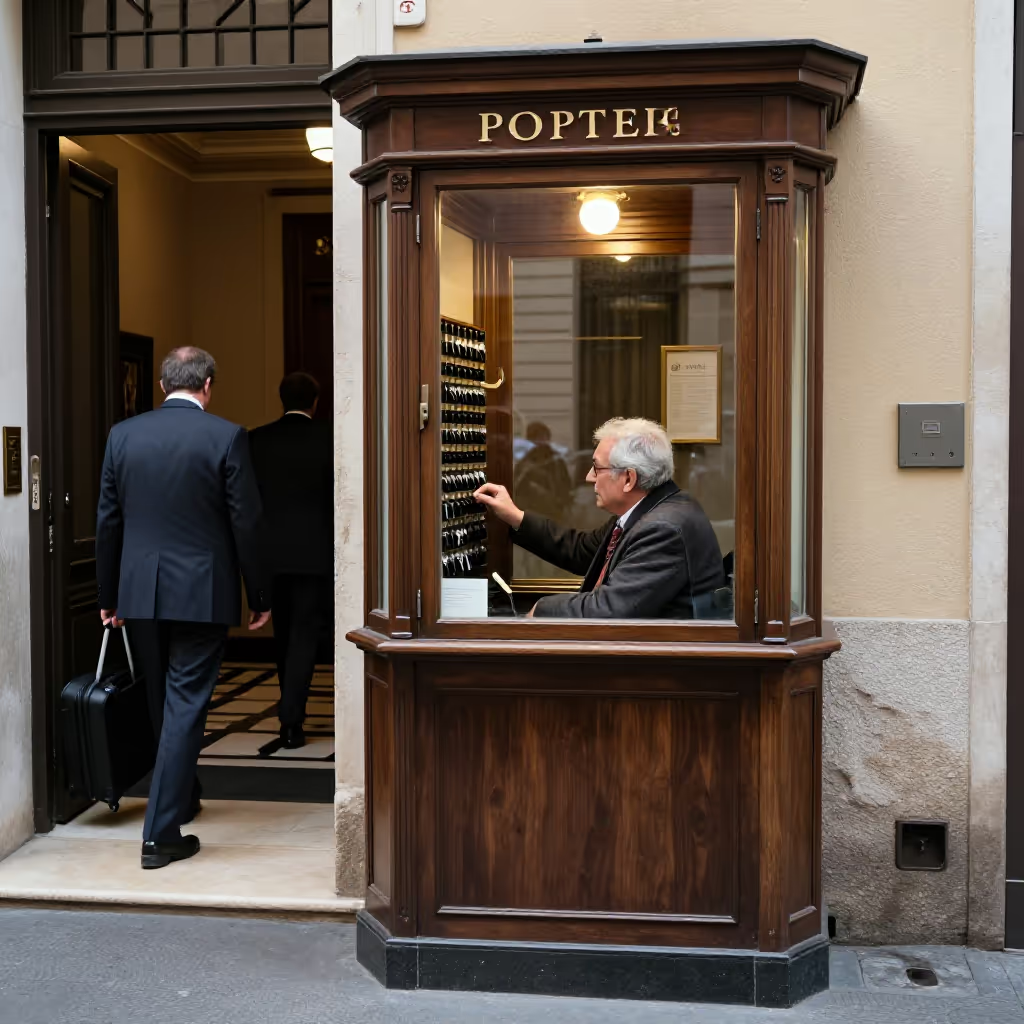
You can recognize the meaning 'Pförtnerloge' (porter's lodge) from the context of buildings such as 'Hotel' (hotel) or 'Bürogebäude' (office building). Words like 'Eingang' (entrance), 'Portier' (porter), or 'Schlüssel' (key) also point to this meaning.
EXAMPLE
Der Nachtportier saß in seiner kleinen Loge und las Zeitung.
The night porter sat in his small lodge and read the newspaper.
Correct preposition
When referring to the location of the porter's lodge, the preposition 'an' with the dative is very common: 'an der Loge' (at the lodge).
EXAMPLE
Sie können Ihre Post an der Loge abholen.
You can pick up your mail at the porter's lodge.
Context clue
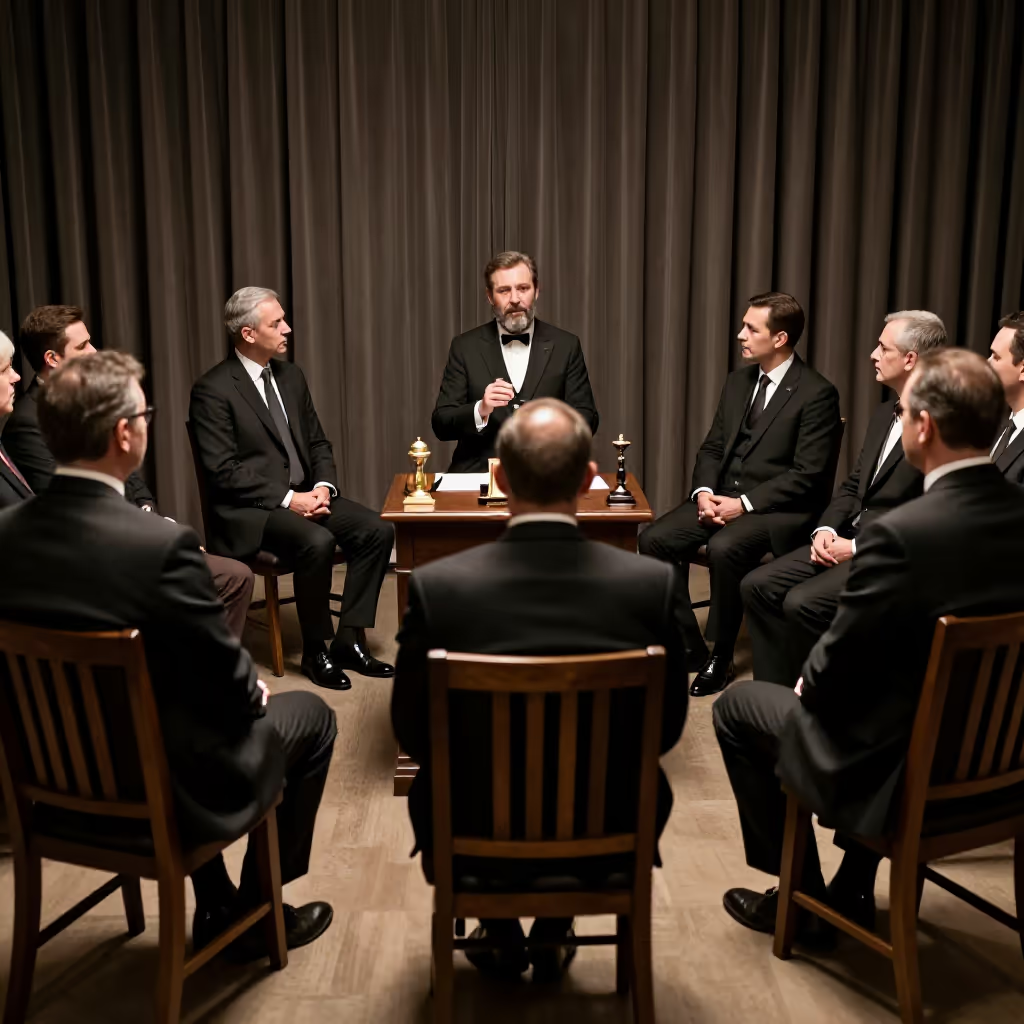
When 'Loge' (lodge) is mentioned in connection with 'Mitgliedern' (members), 'Bruderschaften' (brotherhoods), 'Ritualen' (rituals), or names like 'Freimaurer' (Freemasons), it refers to an association.
EXAMPLE
Die Mitglieder der Loge treffen sich jeden ersten Donnerstag im Monat.
The members of the lodge meet on the first Thursday of every month.
Compare with
confusable
Loge vs Rang
rank
'der Rang' and 'die Loge' can both have to do with seats in a theater, opera house, or stadium. 'Rang' means a larger raised area with many seats. 'Loge', on the other hand, means a small, separate area with several seats, often with a better view and more privacy. Learners may confuse the words because both may be located away from the regular stalls or orchestra section. The simple difference is: a 'Rang' is a whole level or row of seats, while a 'Loge' is its own small area.
Loge
Die Gäste saßen in einer Loge direkt neben der Bühne.
The guests sat in a box right next to the stage.
Rang
Unsere Plätze im Rang waren weit oben, aber der Blick war gut.
Our seats in the balcony were high up, but the view was good.