

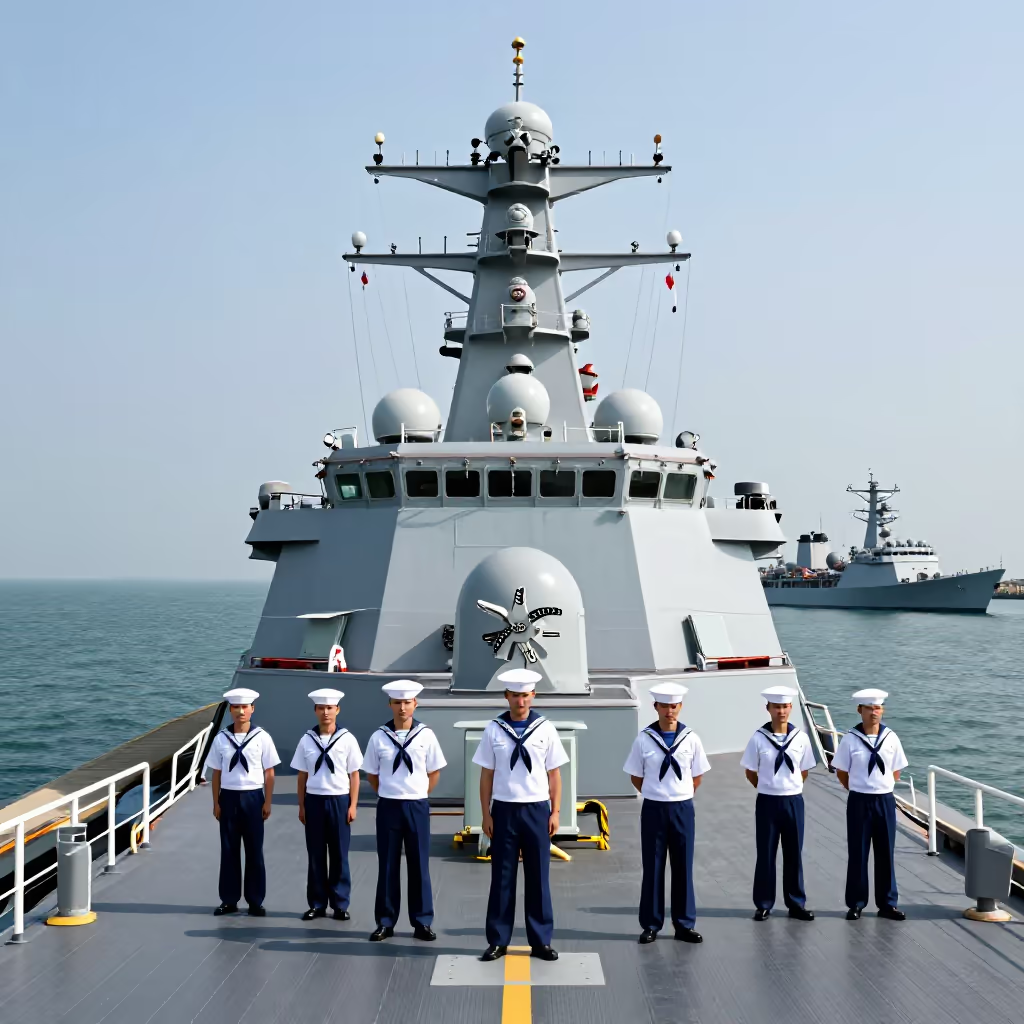
die Marine
navy
A country's naval forces; the part of the military that operates at sea.
EXAMPLE
Nach der Schule ging er für vier Jahre zur Marine.
After school, he joined the navy for four years.
navy / navy blue
Loading your saved state.
navy
A country's naval forces; the part of the military that operates at sea.
Nach der Schule ging er für vier Jahre zur Marine.
After school, he joined the navy for four years.

navy blue
A very dark shade of blue; navy blue.
Ihr Wintermantel hat die Farbe Marine.
Her winter coat is navy blue.
The word 'Marine' (navy / navy blue) comes from French and is related to the Latin word 'mare' (the sea). This origin explains both meanings: the naval forces that operate at sea and the dark blue color that recalls the deep sea.
Die Marine schützt die Küsten des Landes.
The navy protects the country's coasts.
Whether the military or the color is meant can usually be recognized from the article. 'Die Marine' (the navy, with an article) almost always refers to the naval forces. The color term 'Marine' (navy blue) often appears without an article, for example after a preposition like 'in'.
Die Marine hat neue Schiffe bestellt.
The navy has ordered new ships.
To express that someone joins the naval forces, you use 'zur Marine gehen' (to join the navy). If someone already serves there, you say 'bei der Marine sein' (to be in the navy).
Er wollte schon immer zur Marine gehen.
He always wanted to join the navy.
fleet
The navy is a country's entire military institution that operates at sea. A fleet, by contrast, refers to the ships belonging together. The navy therefore includes not only the fleet but also personnel and other facilities.
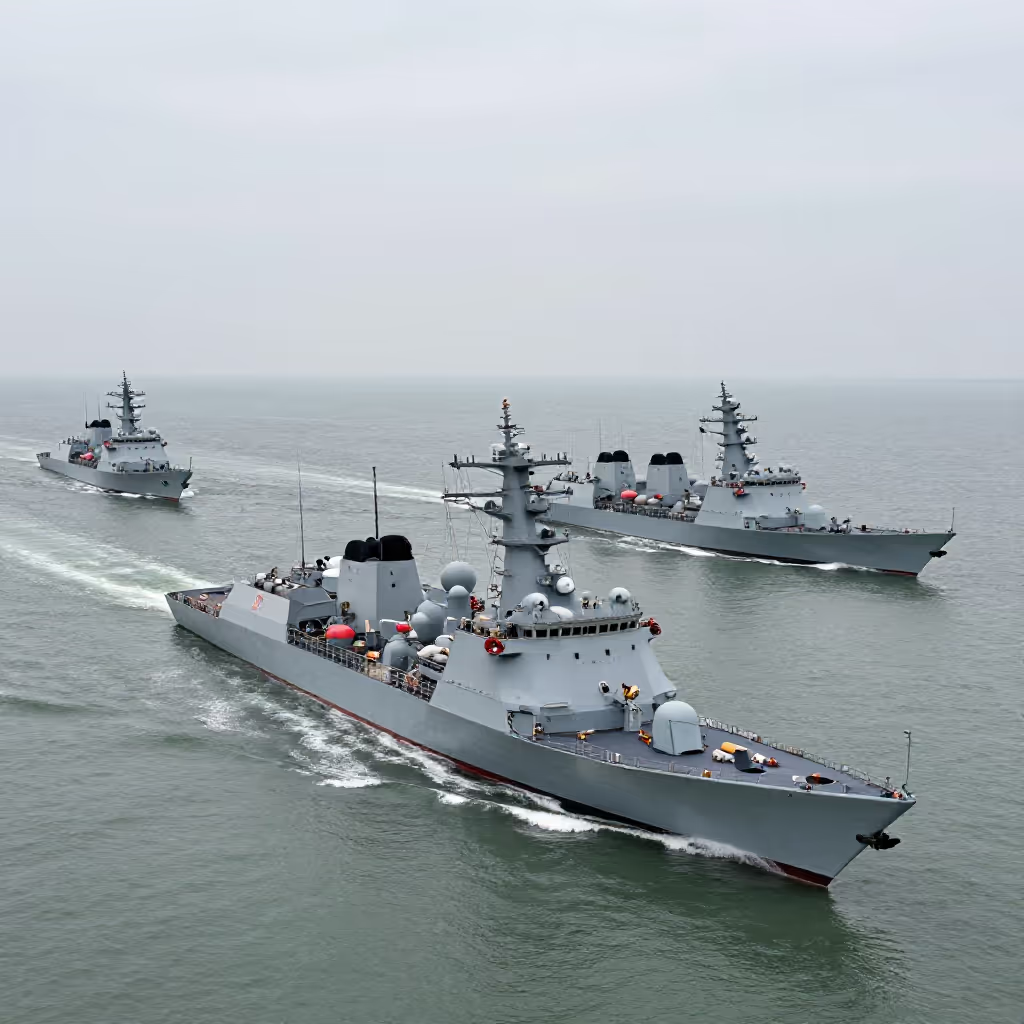
Die Marine des Landes bildet jedes Jahr neue Soldaten aus.
The country's navy trains new soldiers every year.
Die Flotte des Landes besteht aus zwölf militärischen Schiffen.
The country's fleet consists of twelve military ships.