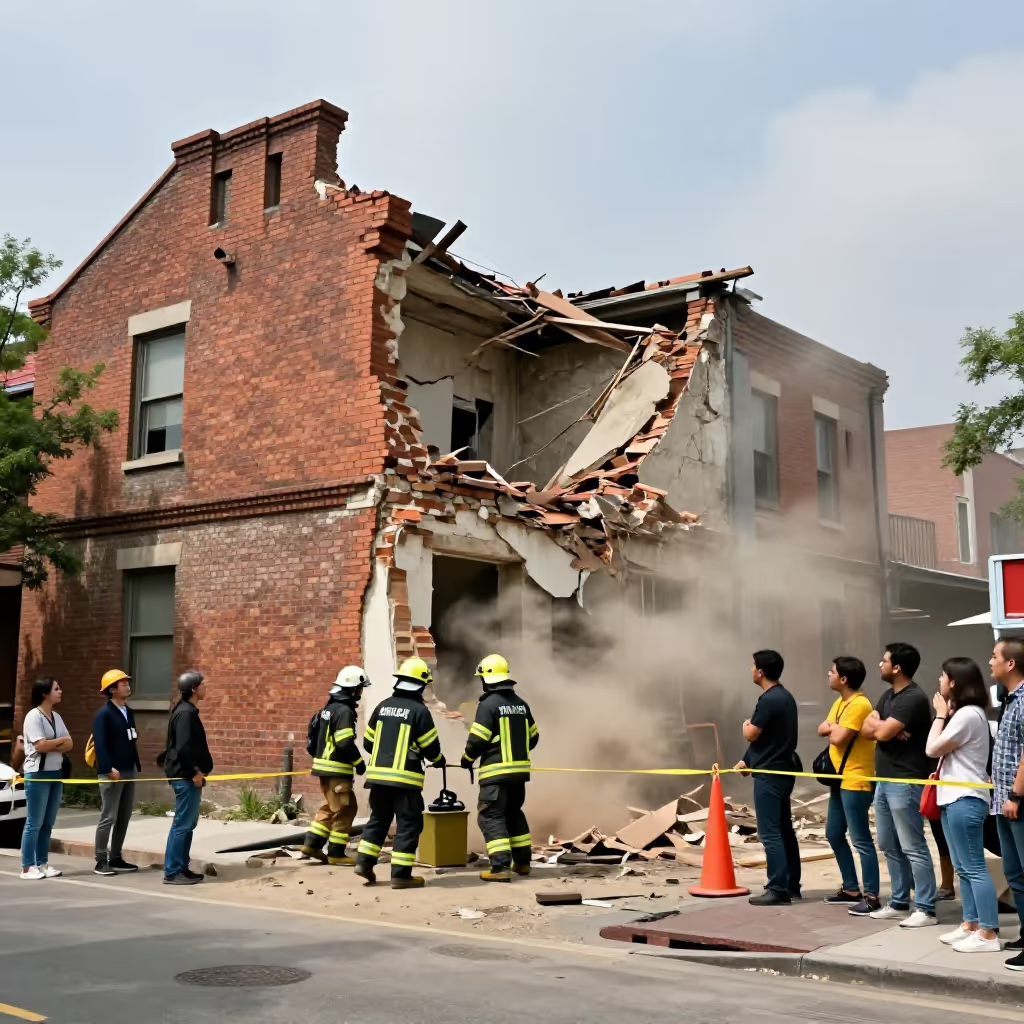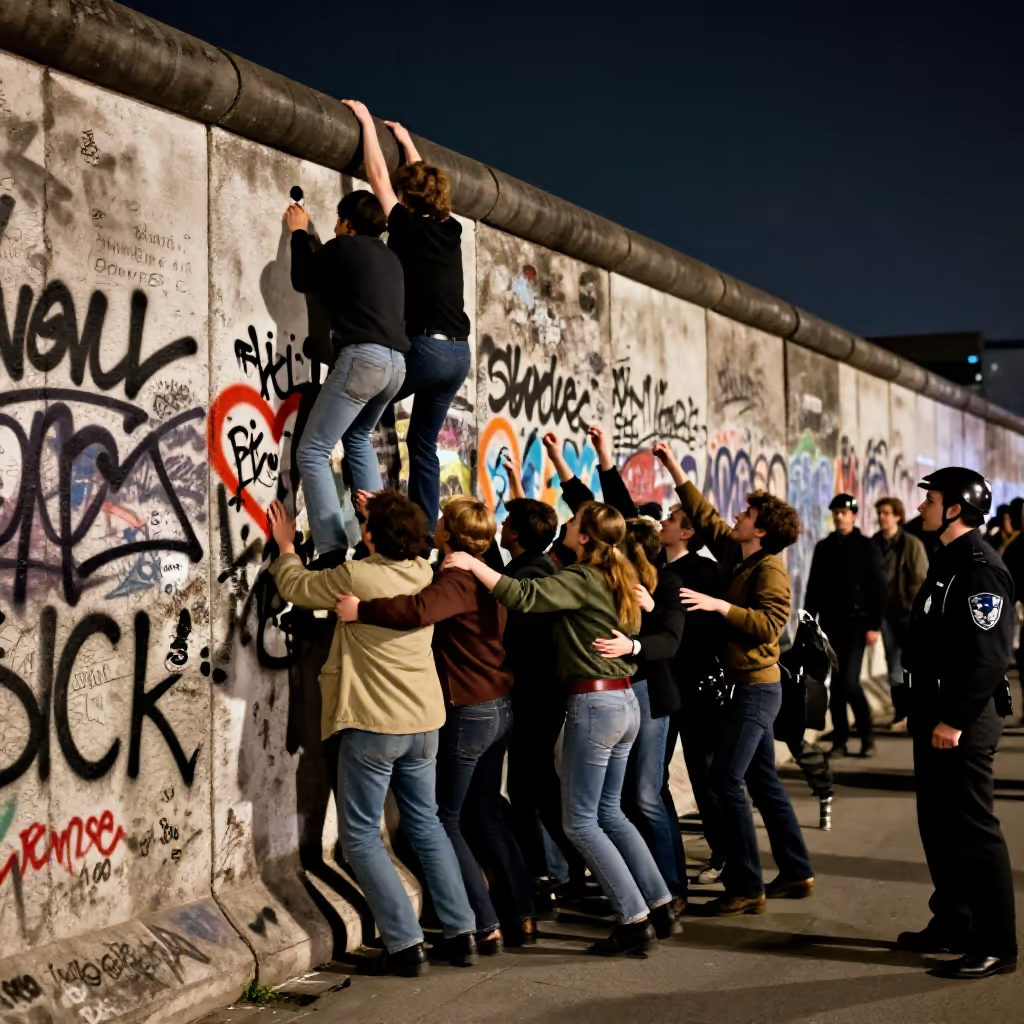
Refers to the historical event of the opening of the Berlin Wall on November 9, 1989, which marked the beginning of German reunification.
example
Meine Eltern erzählen oft, wie sie den Mauerfall damals im Fernsehen miterlebt haben.
My parents often talk about how they experienced the fall of the Wall on television back then.

Usage tips
Compound word
The word is a simple compound of 'die Mauer' (the wall) and 'der Fall' (the fall). So it literally describes the falling or collapsing of a wall.
EXAMPLE
Der Sturm war so stark, dass er zum Mauerfall führte.
The storm was so strong that it led to the wall collapsing.
Context clue
When 'der Mauerfall' (the fall of the Wall) is used without further context, it almost always refers to the historical event in Berlin in 1989. The literal meaning is usually made more precise by additional information, e.g. which wall is meant.
EXAMPLE
Der Mauerfall veränderte das Leben von Millionen Menschen in Deutschland.
The fall of the Wall changed the lives of millions of people in Germany.
Cultural context
'Der Mauerfall' (the fall of the Wall) is a key event in German history. It took place on November 9, 1989, and initiated the reunification of West and East Germany.
EXAMPLE
Jedes Jahr am 9. November wird an den Mauerfall erinnert.
Every year on November 9, people commemorate the fall of the Wall.
Typical collocations
In the historical context, the word is often combined with verbs such as 'erleben' (to experience), 'feiern' (to celebrate), or 'sich erinnern an' (to remember). The year is also a common addition: 'der Mauerfall 1989' (the fall of the Wall in 1989).
EXAMPLE
Viele Menschen feierten den Mauerfall auf den Straßen Berlins.
Many people celebrated the fall of the Wall in the streets of Berlin.
Compare with
confusable
Mauerfall vs Wende
turning point / turn
'die Wende' and 'der Mauerfall' both belong to German history in 1989 and 1990. But 'der Mauerfall' refers to the specific event: the opening of the Berlin Wall on November 9, 1989. 'die Wende' refers to the larger political and social process in East Germany that led to reunification. Learners may confuse the words because the fall of the Wall was a very important part of the Wende. If you mean the single event at the Berlin Wall, use 'Mauerfall'. If you mean the whole period of change, use 'Wende'.
Mauerfall
Viele Menschen erinnern sich genau an den Mauerfall am 9. November 1989.
Many people remember the fall of the Wall on November 9, 1989, very clearly.
Wende
In der Schule sprechen wir diese Woche über die Wende und das Leben in der DDR.
At school this week, we are talking about the Wende and life in East Germany.