

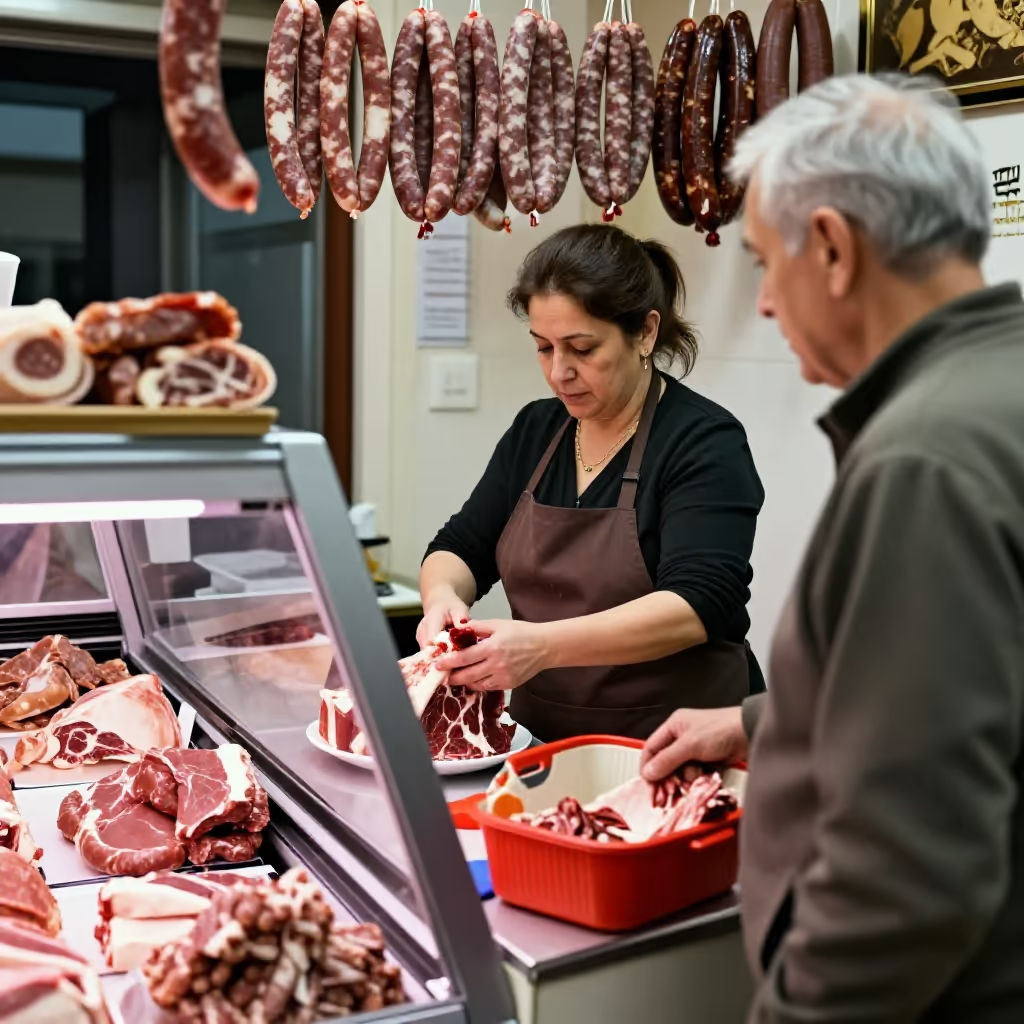
A shop where meat and sausage products are sold. Often, the products are also made there in-house.
example
Ich kaufe mein Hackfleisch immer frisch in der Metzgerei an der Ecke.
I always buy my ground meat fresh from the butcher shop on the corner.
Usage tips
Word structure
The word is derived from 'der Metzger' (butcher, profession). The ending '-ei' often refers to a place where a craft is practiced, similar to 'Bäckerei' (bakery, from Bäcker) or 'Schneiderei' (tailor's shop, from Schneider).
EXAMPLE
Die alte Metzgerei im Dorf wird von der ganzen Familie betrieben.
The old butcher shop in the village is run by the whole family.
Regional usage
The word 'Metzgerei' (butcher shop) is used mainly in southern and western Germany as well as in Switzerland. In other parts of Germany, other terms are more common.
EXAMPLE
In Bayern findest du an fast jeder Ecke eine traditionelle Metzgerei.
In Bavaria, you can find a traditional butcher shop on almost every corner.
Correct preposition
To describe movement, you use 'in die Metzgerei' (to/into the butcher shop, accusative). To describe a place where someone is located, you say 'in der Metzgerei' (in the butcher shop, dative).
EXAMPLE
Ich gehe schnell in die Metzgerei, um Wurst für das Abendessen zu holen.
I'm quickly going to the butcher shop to get sausage for dinner.
Context clue
Whether the shop (meaning 1) or the craft (meaning 2) is meant can be recognized from context. If it is about a place, the shop is meant. If it is about training or the profession, the craft is meant.
EXAMPLE
Er hat sein Interesse für die Metzgerei schon als Kind entdeckt.
He discovered his interest in butchery when he was still a child.
Compare with
confusable
Metzgerei vs Metzger
butcher
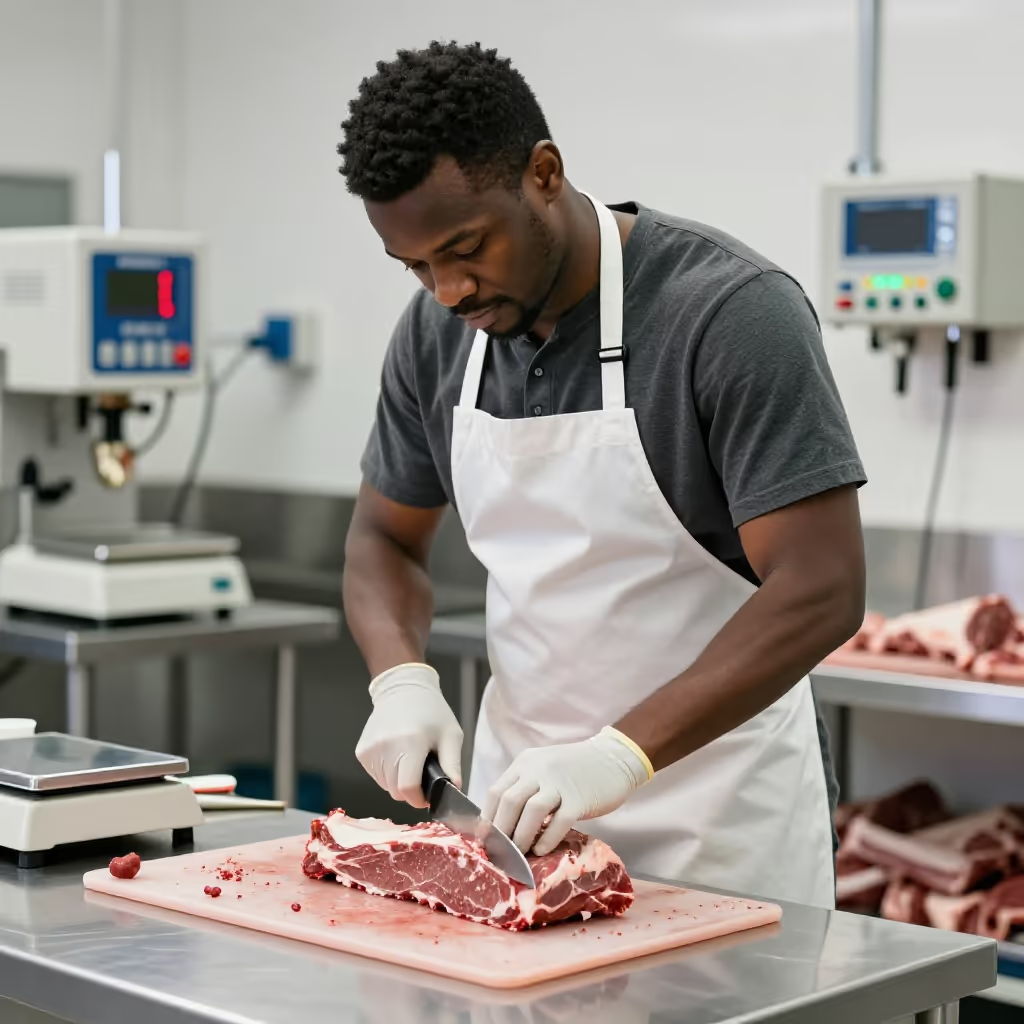
'der Metzger' and 'die Metzgerei' belong to the same area, but they do not mean the same thing. 'der Metzger' is the person who processes and sells meat. 'die Metzgerei' is usually the shop where you buy meat and sausage products. The word can also mean the craft or profession of butchery. Learners easily confuse the words because they sound similar and often occur together in everyday life. If you are talking about a person, you need 'Metzger'. If you are talking about the shop or the craft, 'Metzgerei' fits.
Metzgerei
Nach der Arbeit kaufe ich in der Metzgerei ein Stück Schinken.
After work, I buy a piece of ham at the butcher shop.
Metzger
Der Metzger empfiehlt mir heute frische Würstchen für den Grill.
The butcher recommends fresh sausages for the grill today.