

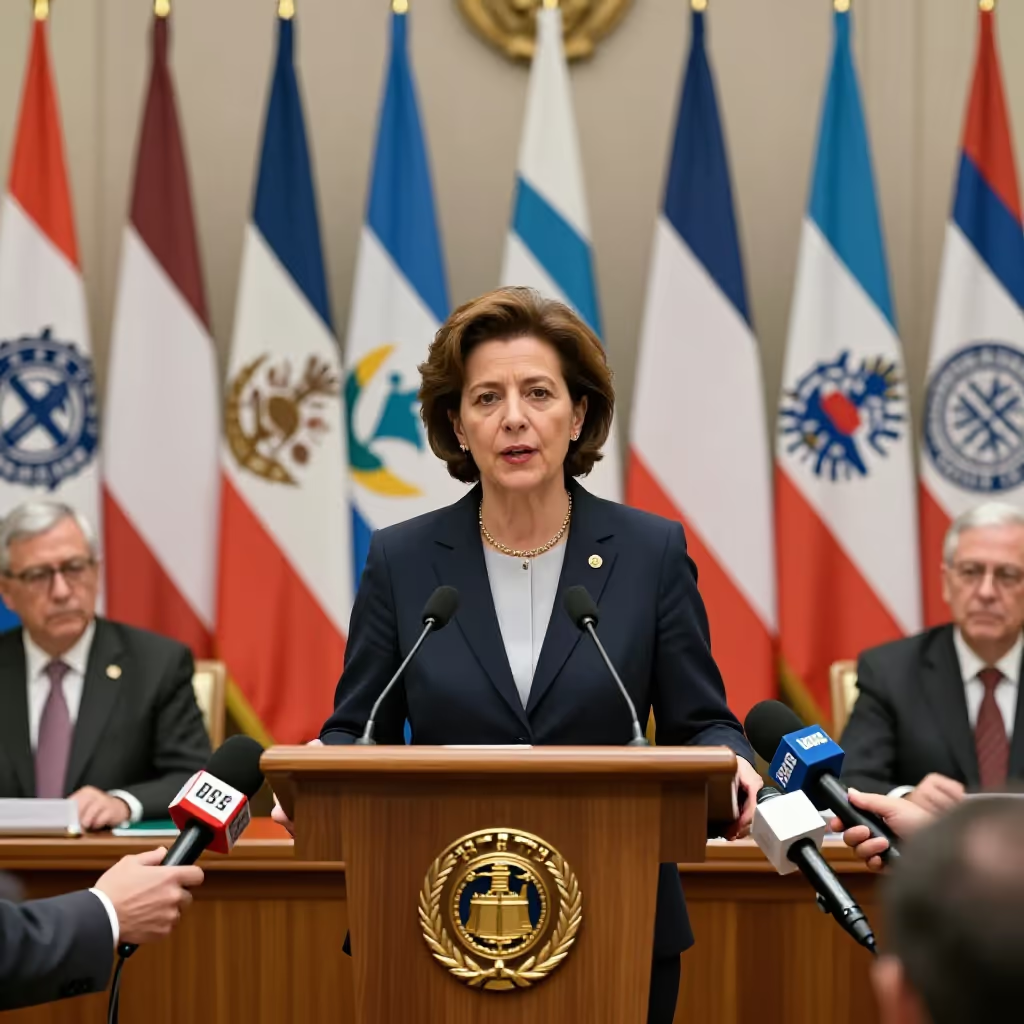
A woman who, as a member of the government, is in charge of a particular department or ministry.
example
Die Umweltministerin hat neue Maßnahmen zum Klimaschutz vorgestellt.
The environment minister presented new measures for climate protection.
Usage tips
Compound words
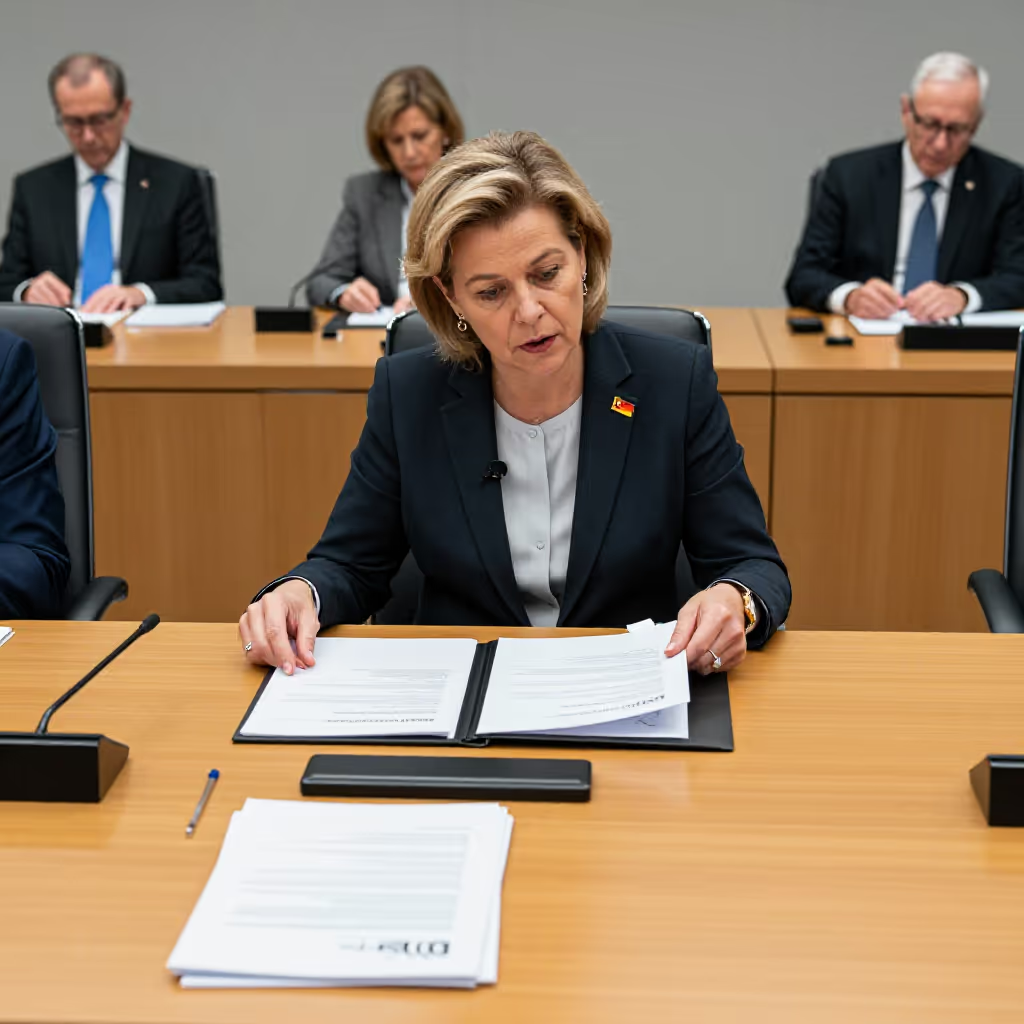
To name a minister's exact department, the word is often combined with the area of responsibility. Examples are 'Außenministerin' (foreign minister), 'Verteidigungsministerin' (defense minister), or 'Justizministerin' (justice minister).
EXAMPLE
Die Außenministerin reist morgen zu wichtigen Verhandlungen ins Ausland.
The foreign minister is traveling abroad tomorrow for important negotiations.
Feminine form
'Ministerin' is the feminine form of 'der Minister' (the minister). The ending '-in' is often used in German to form the feminine form of job titles and personal designations.
EXAMPLE
In der neuen Regierung gibt es mehr Ministerinnen als Minister.
In the new government, there are more female ministers than male ministers.
Use with 'für'
To describe a minister's department without using a compound word, you use the preposition 'für' followed by the accusative.
EXAMPLE
Sie ist die neue Ministerin für Familie und Jugend.
She is the new minister for family and youth.
Compare with
near_synonym · confusable
Ministerin vs Minister
minister
'der Minister' and 'die Ministerin' refer to the same political office: a person heads a ministry and is part of the government. The difference is the gender of the person. 'Der Minister' is used for a man, or sometimes generally when gender is not important. 'Die Ministerin' is used for a woman. The words can be confused because the role is the same. So pay attention above all to whom you are talking about: a man or a woman.
Ministerin
Die Rede der Ministerin hat viele Zuhörer überzeugt.
The minister's speech convinced many listeners.
Minister
Nach der Sitzung beantwortet der Minister die Fragen der Presse.
After the meeting, the minister answers the press's questions.