

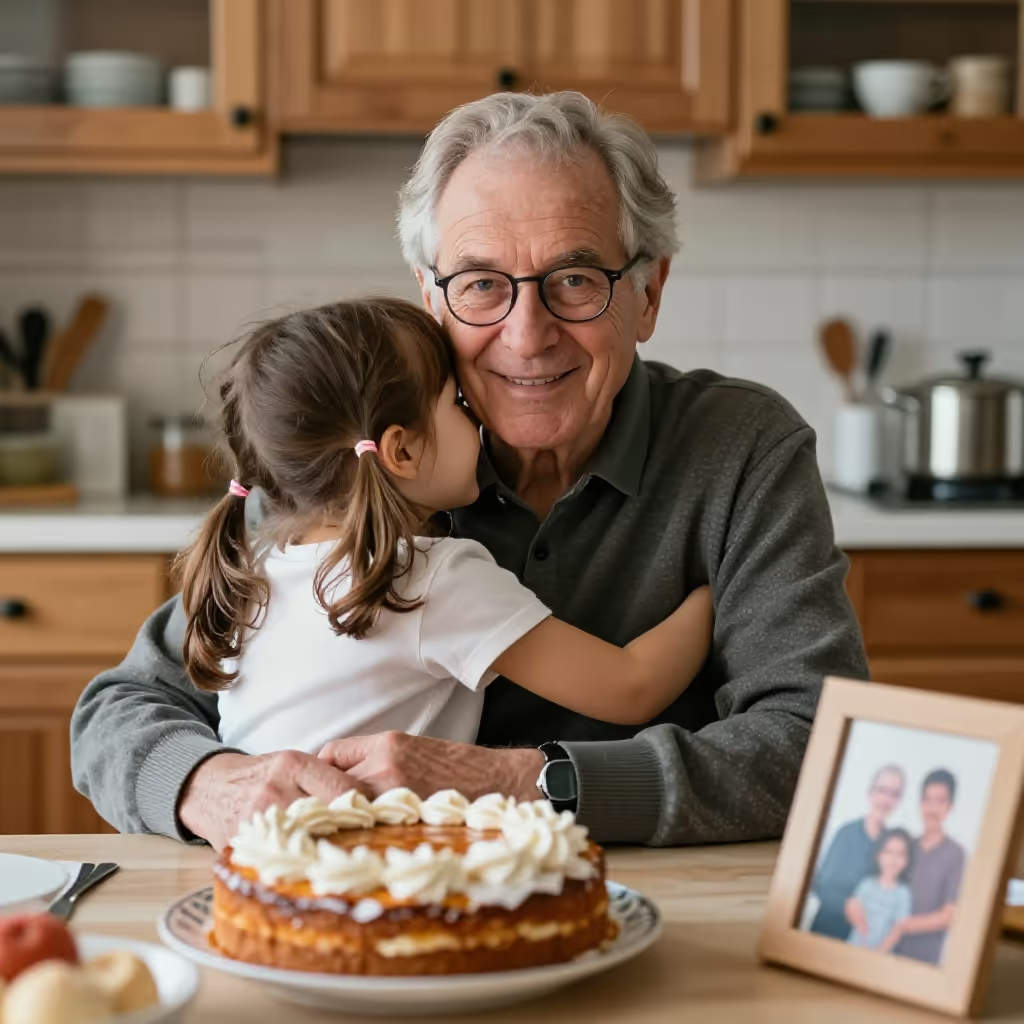
der Opi
grandpa
A colloquial and affectionate term for one's own grandfather.
EXAMPLE
Am Sonntag gehen wir immer bei Omi und Opi zum Mittagessen.
On Sundays, we always go to Grandma and Grandpa's for lunch.
grandpa / old man
Loading your saved state.
grandpa
A colloquial and affectionate term for one's own grandfather.
Am Sonntag gehen wir immer bei Omi und Opi zum Mittagessen.
On Sundays, we always go to Grandma and Grandpa's for lunch.
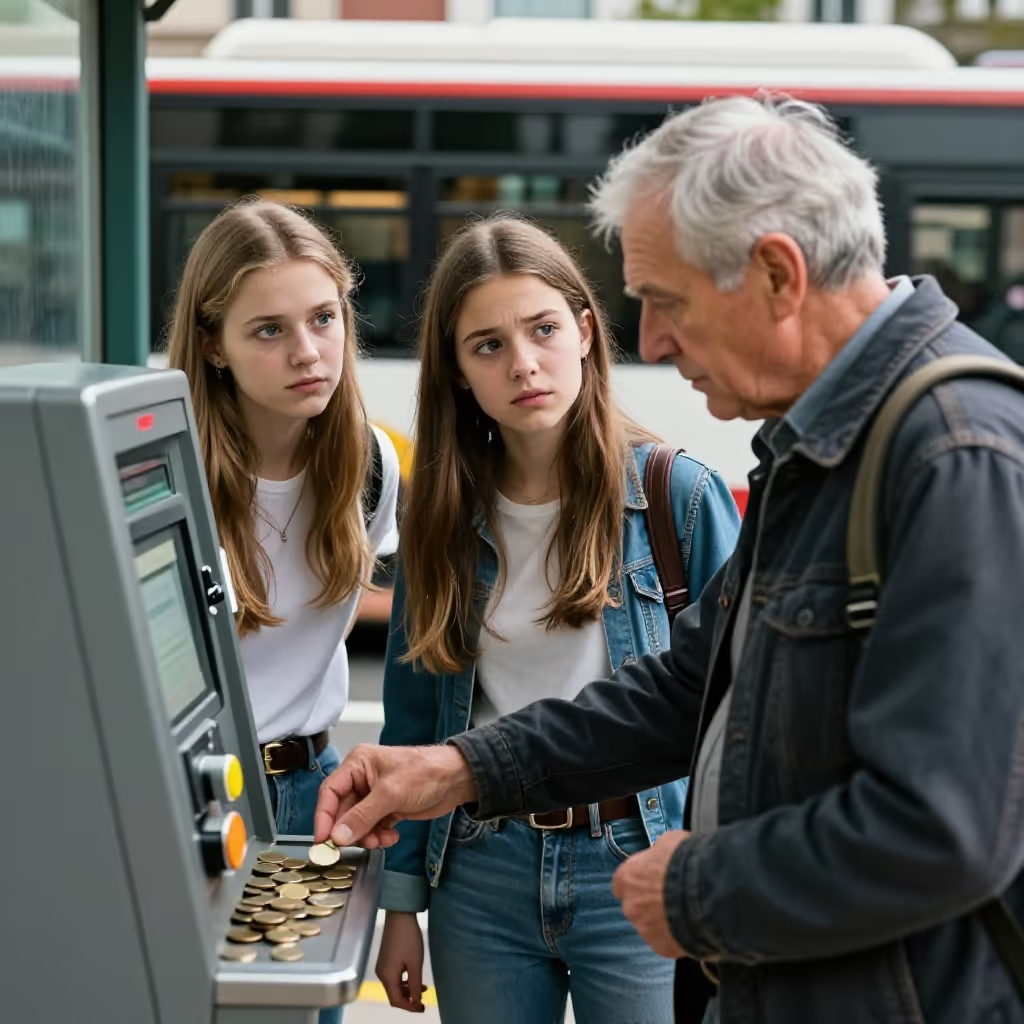
old man
An informal, sometimes slightly derogatory term for any older man.
Frag doch mal den Opi da drüben, ob er den Weg zum Bahnhof kennt.
Why don't you ask that old man over there if he knows the way to the train station?
'Opi' (grandpa) is a term of endearment, an affectionate short form of 'Opa' (grandpa), which in turn is a short form of 'Großvater' (grandfather). The ending '-i' is often used in German for cute or family-related terms.
Als Kind habe ich meinen Opi jedes Wochenende besucht.
As a child, I visited my grandpa every weekend.
This word clearly belongs to colloquial language. It is very informal and is used mainly in family or private settings.
„Wo ist Opi?“, fragte das kleine Kind.
'Where is Grandpa?' asked the little child.
'Opi' (grandpa) forms a pair with 'die Omi' (grandma), the affectionate form for grandmother. Both words are very often used together.
Meine Omi und mein Opi sind seit über 50 Jahren verheiratet.
My grandma and my grandpa have been married for over 50 years.
When 'Opi' is used for an unfamiliar older man, it can sound neutral, but also slightly disrespectful. Tone of voice and the situation determine whether it is perceived as friendly or condescending.
Da vorne sitzt ein Opi auf der Bank und füttert die Tauben.
There's an old man sitting on the bench up ahead feeding the pigeons.
grandpa
„Opa“ and „Opi“ are familiar terms for one's own grandfather. „Opi“ sounds more diminutive and often more childish or especially affectionate. „Opa“ is the more general family term, while „Opi“ is especially suited to very tender or childlike speech.
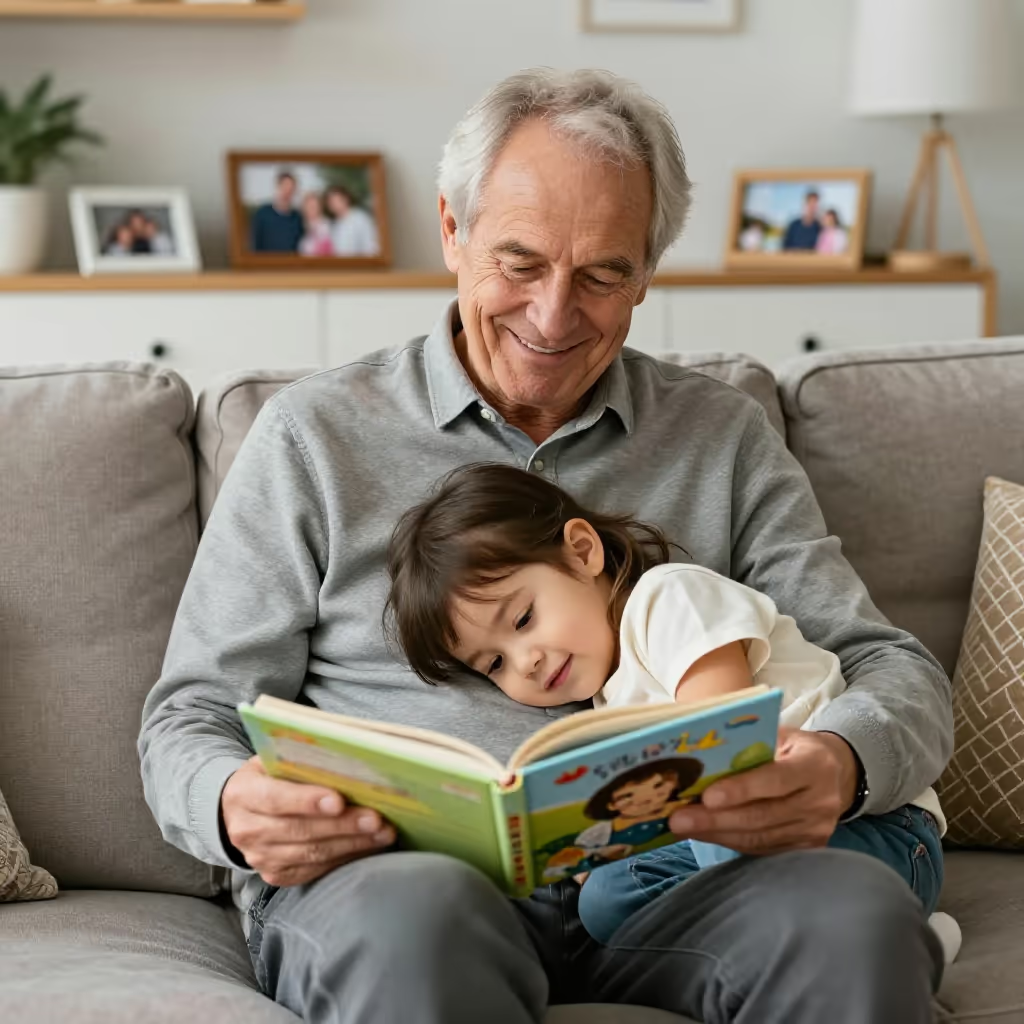
Die kleine Mia läuft zur Tür und ruft nach ihrem Opi.
Little Mia runs to the door and calls for her grandpa.
Nach der Arbeit rufe ich meinen Opa an.
I call my grandpa after work.