

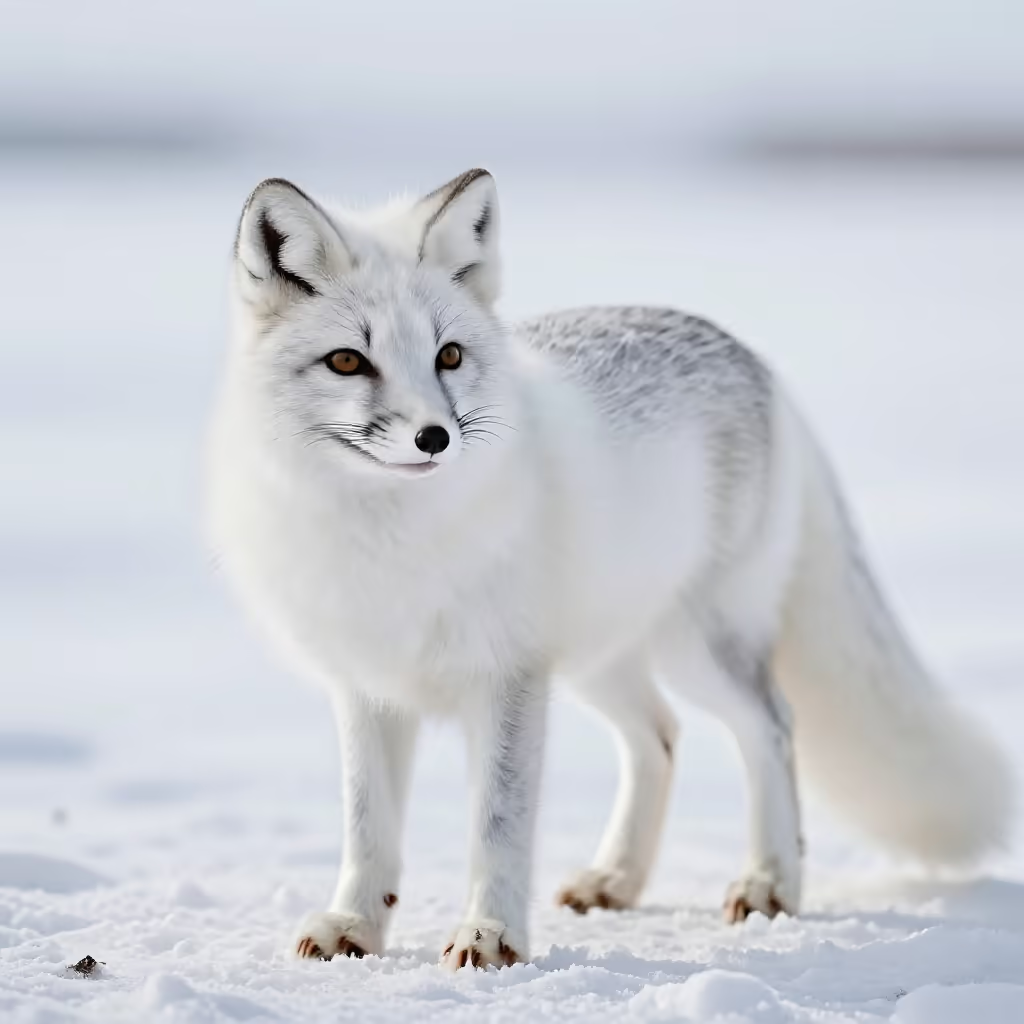
der Pelz
fur
The dense, soft coat of hair of certain mammals, which protects them from the cold.
EXAMPLE
Der Bär hat einen dicken Pelz, der ihn im Winter wärmt.
The bear has thick fur that keeps it warm in winter.
fur
Loading your saved state.
fur
The dense, soft coat of hair of certain mammals, which protects them from the cold.
Der Bär hat einen dicken Pelz, der ihn im Winter wärmt.
The bear has thick fur that keeps it warm in winter.

fur garment
A piece of clothing, especially a coat or jacket, made from the fur of animals.
Aus ethischen Gründen tragen heute viele Menschen keinen echten Pelz mehr.
For ethical reasons, many people today no longer wear real fur.

to crowd someone
To come too close to someone, pressure them, or become intrusive.
Die Reporter rückten dem Politiker nach der Pressekonferenz ordentlich auf den Pelz.
The reporters really crowded the politician after the press conference.
To distinguish the meanings, pay attention to the context. If someone is talking about an animal, it refers to its coat of hair. If it is about clothing that a person wears, it means a garment.
Der Pelz des Fuchses ist im Winter besonders dicht.
The fox's fur is especially thick in winter.
In the fixed expression 'jemandem auf den Pelz rücken' (to crowd someone / to get too close to someone), the person being pressured is always in the dative. The structure is therefore: [person in the dative] + 'auf den Pelz rücken'.
Die Verkäufer im Basar sind mir zu sehr auf den Pelz gerückt.
The vendors at the bazaar crowded me too much.
When referring to the coat of hair of animals, 'Pelz' (fur) is often combined with adjectives such as 'dicht' (dense/thick), 'weich' (soft), or 'warm' (warm).
Der Biber hat einen sehr dichten und wasserabweisenden Pelz.
The beaver has very dense and water-repellent fur.
In connection with clothing, the combinations 'einen Pelz tragen' (to wear fur) and the distinction between 'echtem Pelz' (real fur) and 'künstlichem Pelz' (artificial fur) or 'Kunstpelz' (faux fur) are very common.
Sie trägt aus Überzeugung nur künstlichen Pelz.
Out of conviction, she only wears faux fur.
fur / drumhead
Both words can refer to the natural hair covering of a mammal. „Fell“ is the general term, while „Pelz“ often refers to especially thick, soft hair and also to clothing made from it. Use „Fell“ neutrally for an animal and „Pelz“ often for the material or clothing.
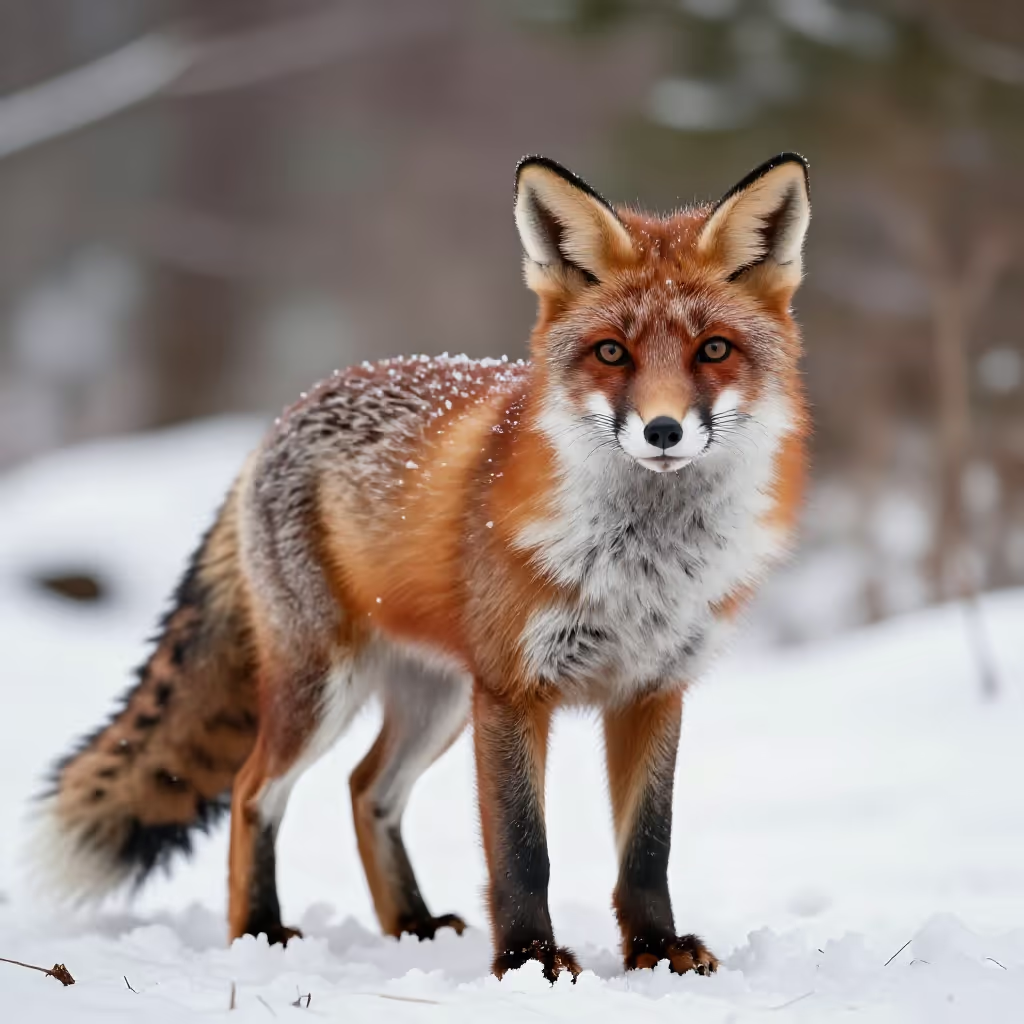
Der alte Pelz im Schrank ist sehr warm, aber heute trägt ihn niemand mehr.
The old fur coat in the closet is very warm, but no one wears it anymore.
Das dichte Fell des Fuchses schützt ihn im Winter vor der Kälte.
The fox's thick fur protects it from the cold in winter.