

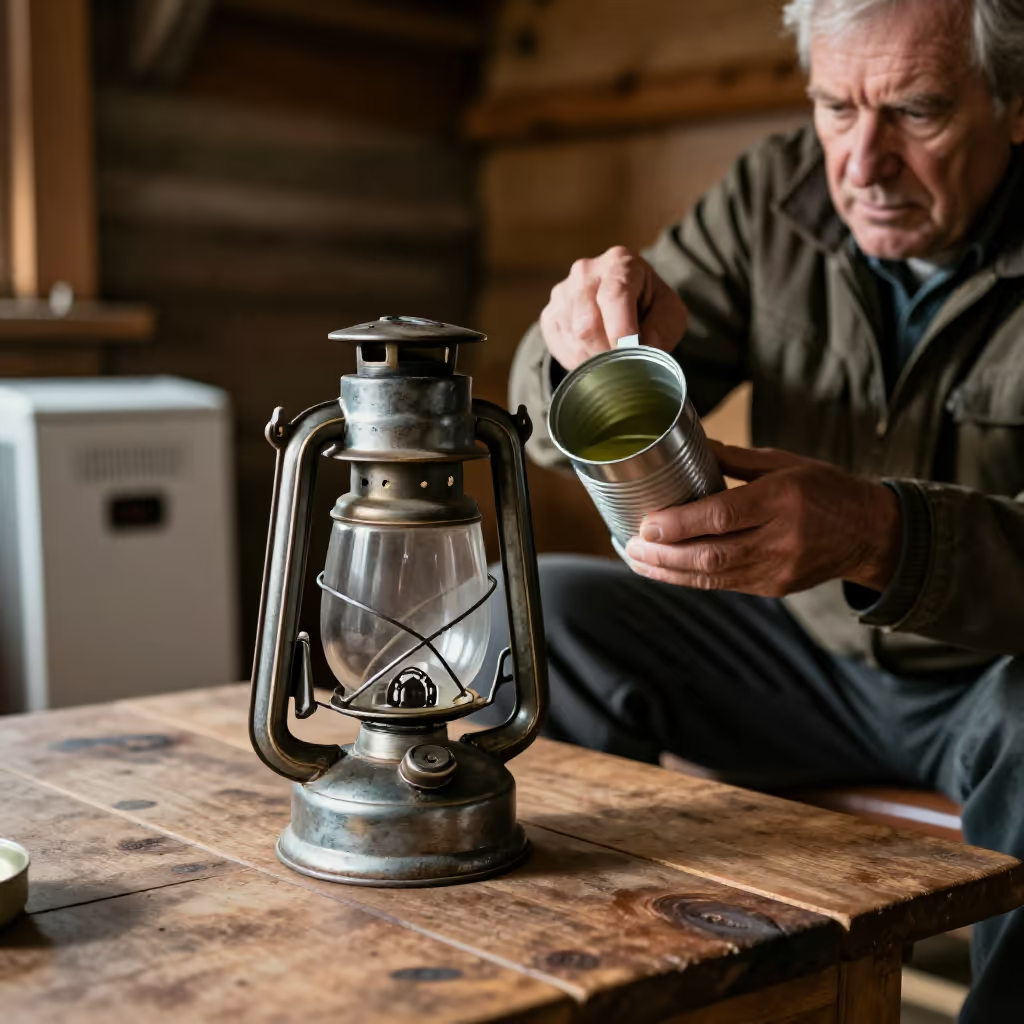
A flammable, colorless to yellowish liquid obtained from crude oil. It is mainly used as fuel for lamps (kerosene lamps) and heaters.
example
Für die alte Lampe im Gartenhaus brauchen wir noch Petroleum.
We still need kerosene for the old lamp in the garden shed.
Usage tips
False friend
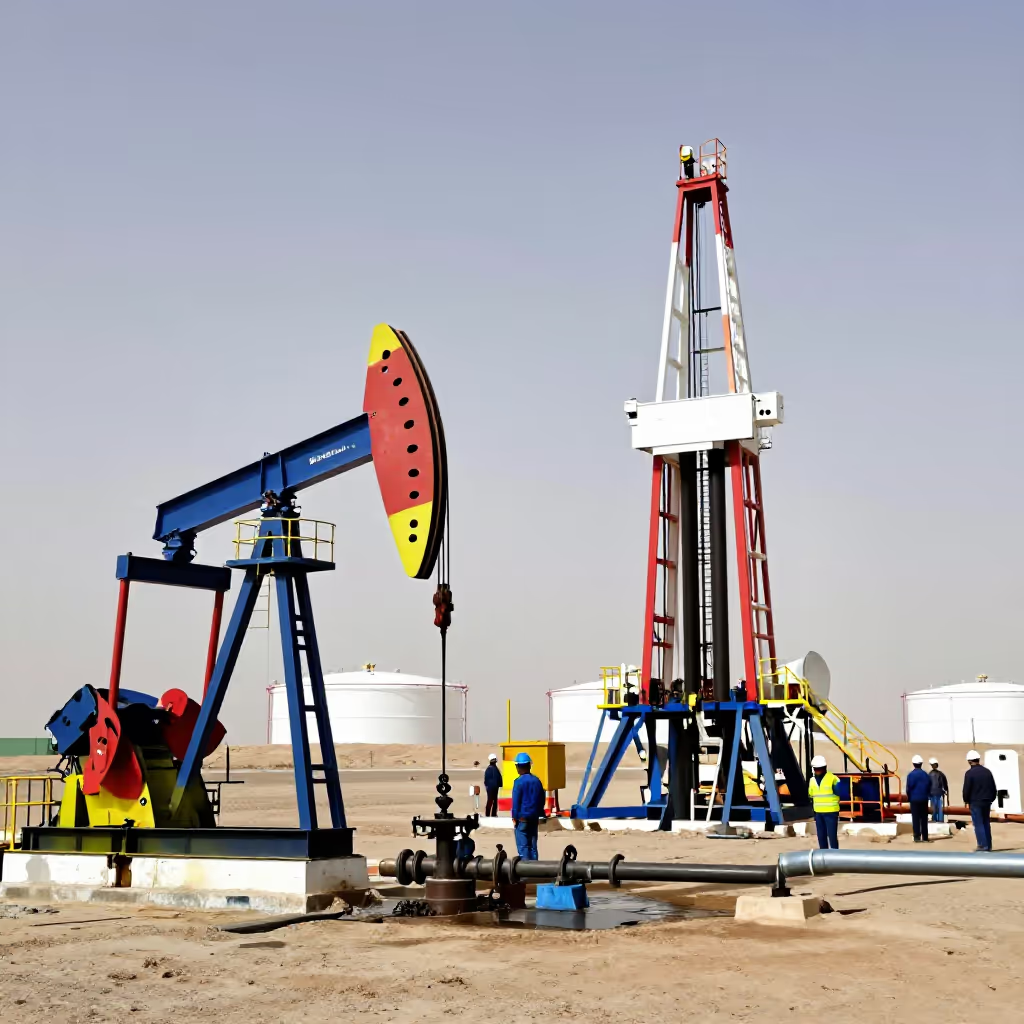
Careful: German 'Petroleum' is not the same as English 'petroleum'. The German word refers to fuel for lamps (English: 'kerosene' or 'paraffin'). The English word 'petroleum' means 'Erdöl' (crude oil).
EXAMPLE
Die alte Lampe funktioniert nur mit Petroleum.
The old lamp only works with kerosene.
Uncountable noun
'Petroleum' (kerosene) is the name of a substance and is therefore usually uncountable. As with 'Wasser' (water) or 'Milch' (milk), it is generally used without an article when talking about the substance itself.
EXAMPLE
Im Schuppen riecht es stark nach Petroleum.
There is a strong smell of kerosene in the shed.
Typical collocations
The word is almost always used in connection with light or heat. The most common combination is 'die Petroleumlampe' (kerosene lamp). Typical verbs are 'nachfüllen' (to refill), 'anzünden' (to light), or 'riechen nach' (to smell of).
EXAMPLE
Kannst du bitte das Petroleum in der Lampe nachfüllen?
Could you please refill the kerosene in the lamp?
Compare with
confusable
Petroleum vs Benzin
gasoline
'Benzin' and 'Petroleum' are both flammable liquids made from petroleum. That is why they can easily be confused. 'Benzin' is normally used for cars or other vehicles with the right kind of engine. 'Petroleum' is used more as fuel for lamps or heaters. In everyday life, at a gas station you almost always say 'Benzin', not 'Petroleum'. 'Petroleum' fits better with old lamps, camping, or certain heaters.
Petroleum
Für die alte Lampe im Gartenhaus kauft Mehmet Petroleum.
Mehmet buys kerosene for the old lamp in the garden shed.
Benzin
Wir haben am Wochenende Benzin für die Fahrt ans Meer getankt.
We filled up with gasoline at the weekend for the trip to the sea.