

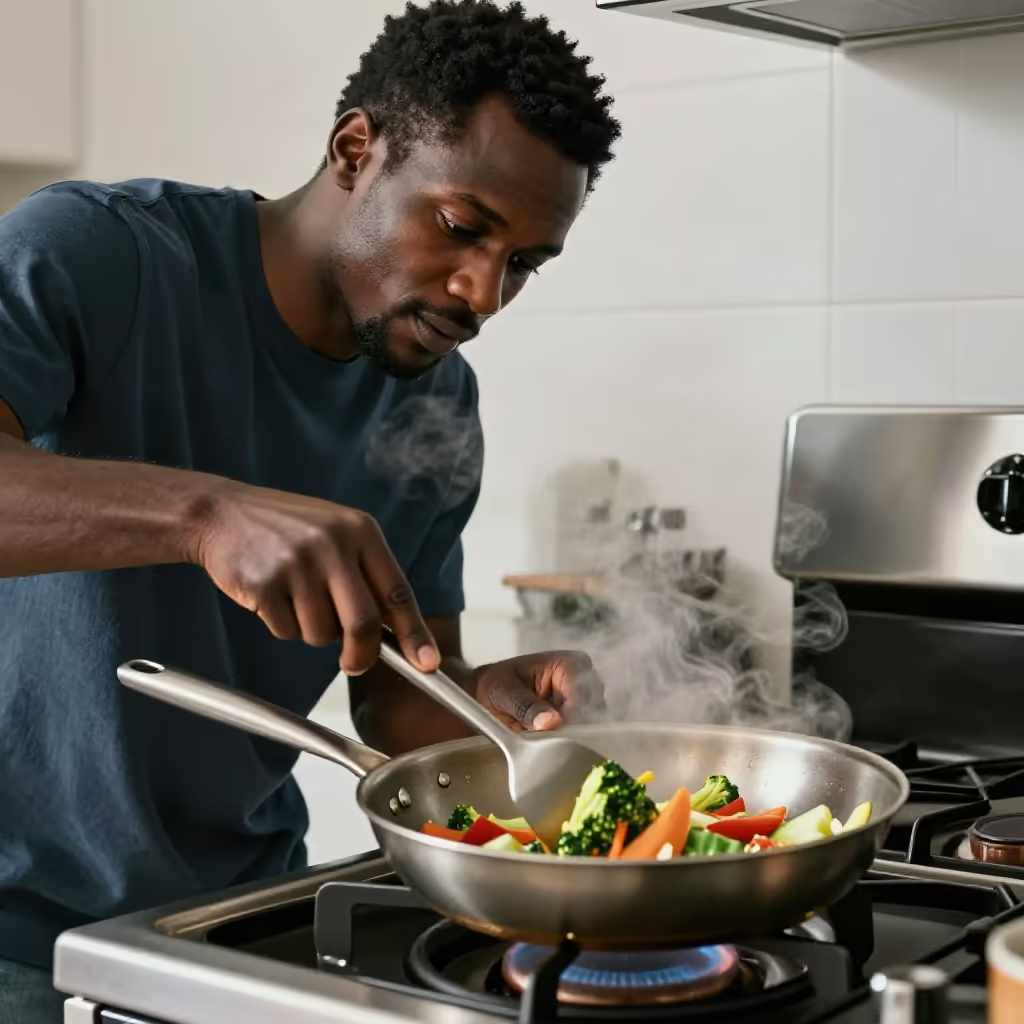
die Pfanne
pan
A flat piece of cookware with a long handle, used for frying foods such as eggs, meat, or vegetables.
EXAMPLE
Er briet die Zwiebeln in der Pfanne goldbraun an.
He fried the onions in the pan until golden brown.
pan
Loading your saved state.
pan
A flat piece of cookware with a long handle, used for frying foods such as eggs, meat, or vegetables.
Er briet die Zwiebeln in der Pfanne goldbraun an.
He fried the onions in the pan until golden brown.

socket
In anatomy, a bowl-shaped depression in a bone that receives the head of a joint, for example the hip socket.
Bei der Operation wurde die abgenutzte Gelenkpfanne durch ein Implantat ersetzt.
During the operation, the worn joint socket was replaced with an implant.
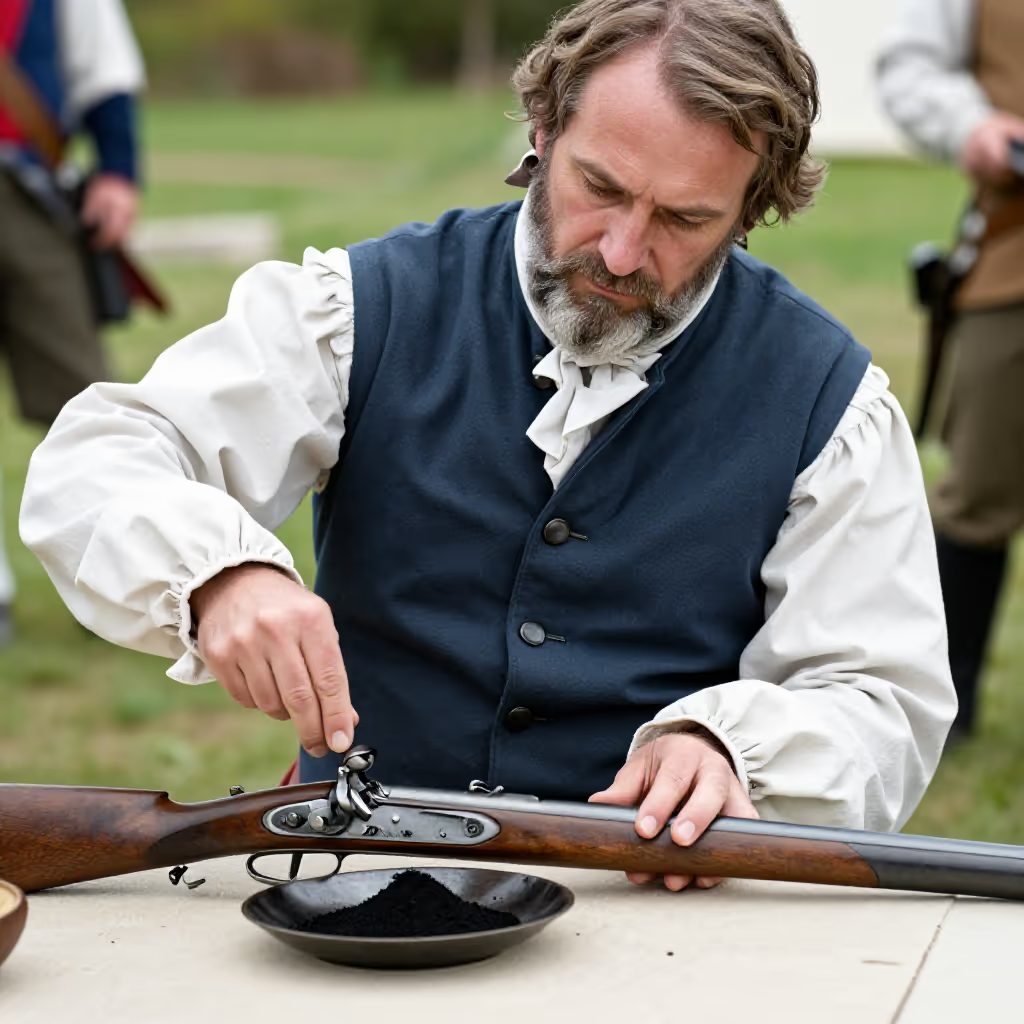
flash pan
A historical term for a part of the ignition mechanism in old firearms, into which the priming powder was placed.
Der Schütze füllte Pulver in die Pfanne des Steinschlossgewehrs.
The shooter poured powder into the flash pan of the flintlock rifle.
In the context of cooking, 'Pfanne' (pan) is often used with the preposition 'in' (in). You fry something 'in der Pfanne' (in the pan, dative) or put ingredients 'in die Pfanne' (into the pan, accusative).
Das Fleisch brät schon in der Pfanne.
The meat is already frying in the pan.
The colloquial idiom 'jemanden in die Pfanne hauen' means to sharply criticize someone, betray them, or harm them.
Er hat seinen Kollegen vor dem Chef richtig in die Pfanne gehauen.
He really threw his colleague under the bus in front of the boss.
Almost always, 'Pfanne' (pan) means the piece of cookware. The meanings in anatomy or old firearms are technical language and can only be recognized through the specific context (medicine, history).
Für Spiegeleier brauchst du eine beschichtete Pfanne.
For fried eggs, you need a non-stick pan.