

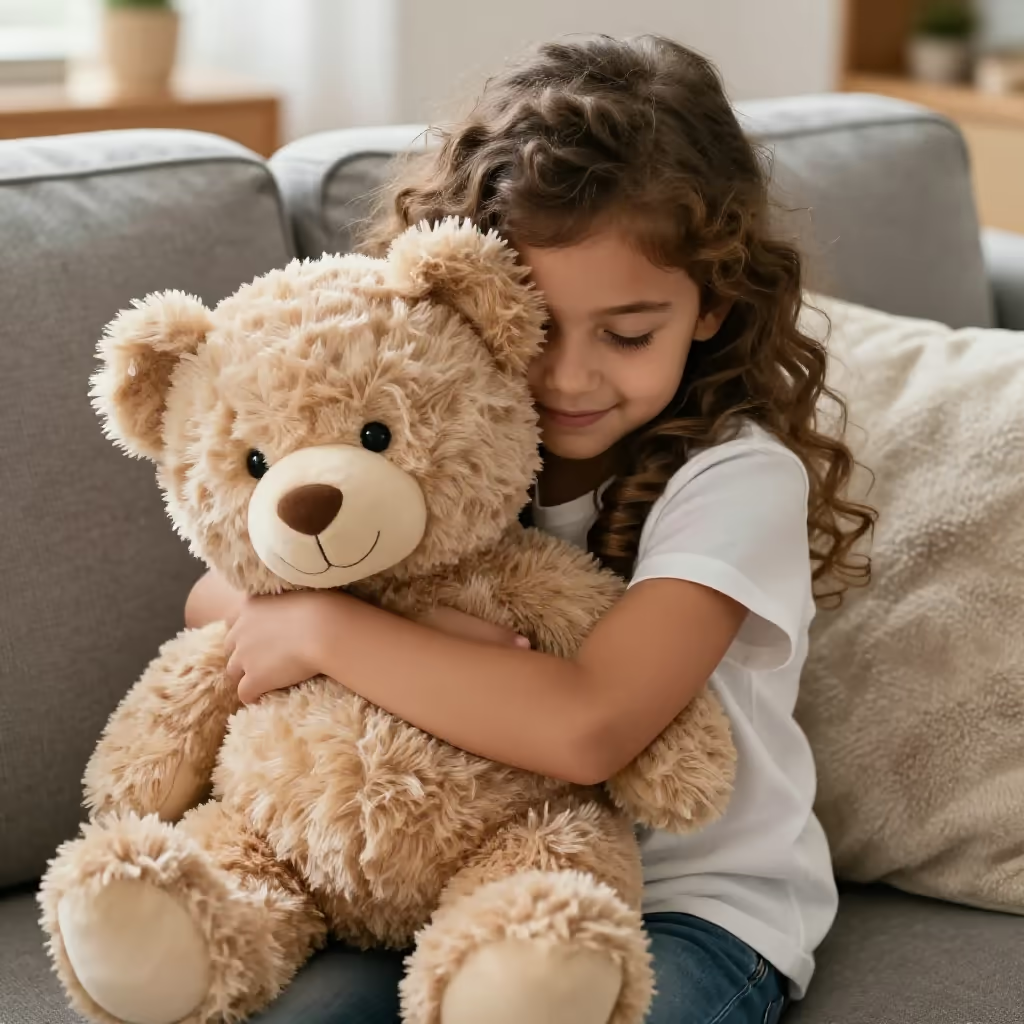
A soft, fluffy fabric with upright threads, similar to velvet but with longer fibers. It is often used for stuffed animals, upholstered furniture, and clothing.
example
Das Kind kuschelte sich an seinen Teddybären aus braunem Plüsch.
The child cuddled up to his teddy bear made of brown plush.
Usage tips
Use as a material name
'Plüsch' (plush) is the name of a material, like 'Holz' (wood) or 'Stoff' (fabric). When describing what something is made of, you use the preposition 'aus' (made of/from) and usually no article.
EXAMPLE
Mein Lieblingssessel hat einen Bezug aus weichem Plüsch.
My favorite armchair has a cover made of soft plush.
Important compound
By far the most common word formed with 'Plüsch' (plush) is 'das Plüschtier' (stuffed animal). This is the German term for a stuffed animal.
EXAMPLE
Zum Geburtstag hat sie sich ein großes Plüschtier gewünscht.
For her birthday, she wished for a large stuffed animal.
Typical usage
Besides toys, 'Plüsch' (plush) is often used for cozy furnishings. It is frequently found in combinations such as 'Sessel aus Plüsch' (armchair made of plush), 'ein plüschiger Teppich' (a plush rug), or 'Kissen mit Plüschbezug' (cushions with a plush cover).
EXAMPLE
Die alten Kinosessel waren oft mit rotem Plüsch bezogen.
The old cinema seats were often upholstered in red plush.
Compare with
confusable
Plüsch vs Fell
fur / drumhead
'das Fell' and 'der Plüsch' often feel similarly soft, but they belong to different areas. 'Fell' is the natural fur of an animal. 'Plüsch' is an artificial or textile material with a soft surface, for example on stuffed animals or furniture. Learners may confuse the words because plush can look like fur. When talking about a real animal, you say 'Fell'; when talking about fabric or a toy, you say 'Plüsch'.
Plüsch
Das neue Stofftier ist aus besonders weichem Plüsch.
The new stuffed animal is made of especially soft plush.