

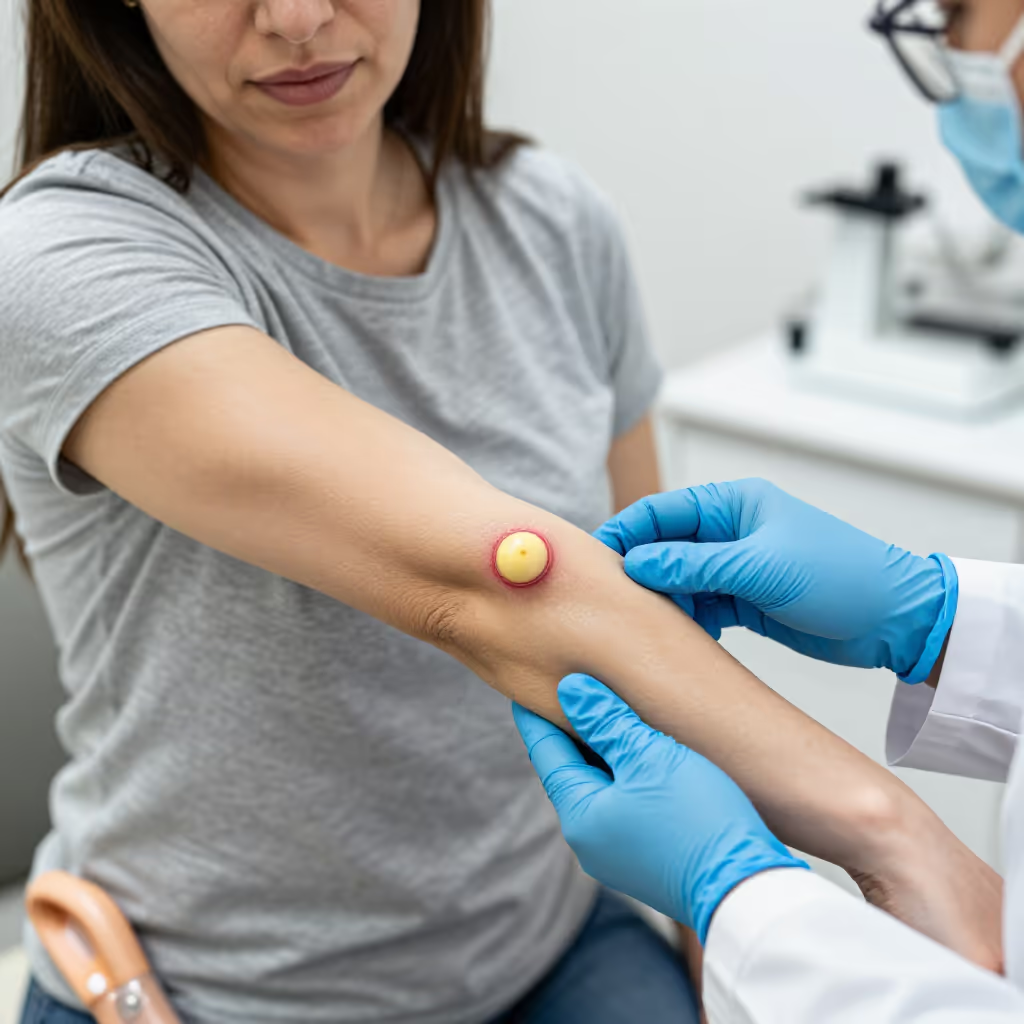
die Pocke
pock
A single pus-filled skin pustule, as typically occurs with the disease smallpox (variola) or similar infections.
Nach der Infektion bildete sich die erste Pocke auf seinem Arm.
After the infection, the first pock formed on his arm.
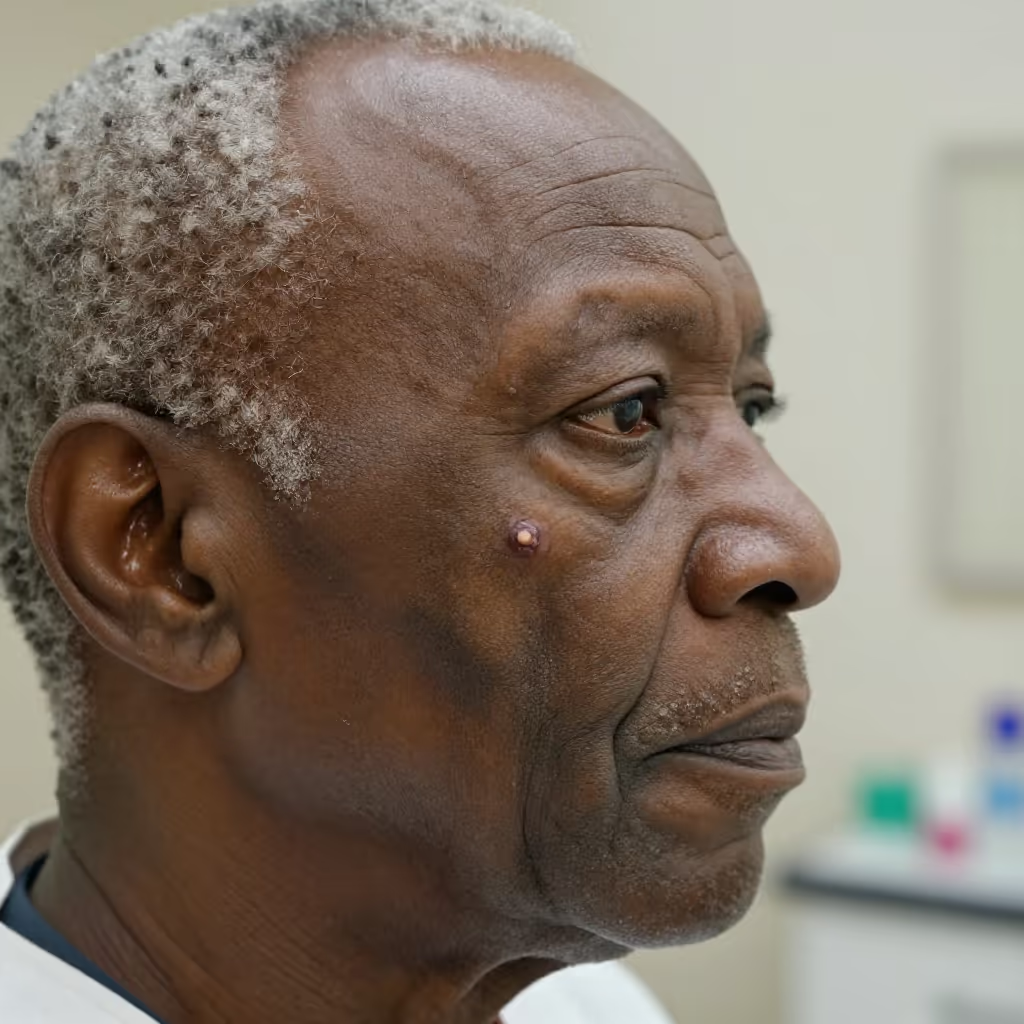
pock / pockmark
Loading your saved state.
pock
A single pus-filled skin pustule, as typically occurs with the disease smallpox (variola) or similar infections.
Nach der Infektion bildete sich die erste Pocke auf seinem Arm.
After the infection, the first pock formed on his arm.

Pay attention to the difference between singular and plural. The plural 'die Pocken' almost always refers to the disease itself (smallpox). The singular 'die Pocke' means a single skin pustule or the scar that results from it.
Früher starben viele Menschen an den Pocken.
In the past, many people died of smallpox.
Because the disease smallpox is considered eradicated worldwide, the word is mostly used today in a historical or medical context. You rarely hear it in everyday life.
Die Impfung gegen die Pocken war ein riesiger medizinischer Erfolg.
The vaccination against smallpox was a huge medical success.
When 'Pocke' (pockmark) means a scar, the phrase 'von Pocken gezeichnet sein' (to be marked by pockmarks) is often used to describe a face with many pockmarks.
Der alte Mann hatte ein Gesicht, das von den Pocken seiner Jugend gezeichnet war.
The old man had a face that was marked by the pockmarks of his youth.
scar / stigma
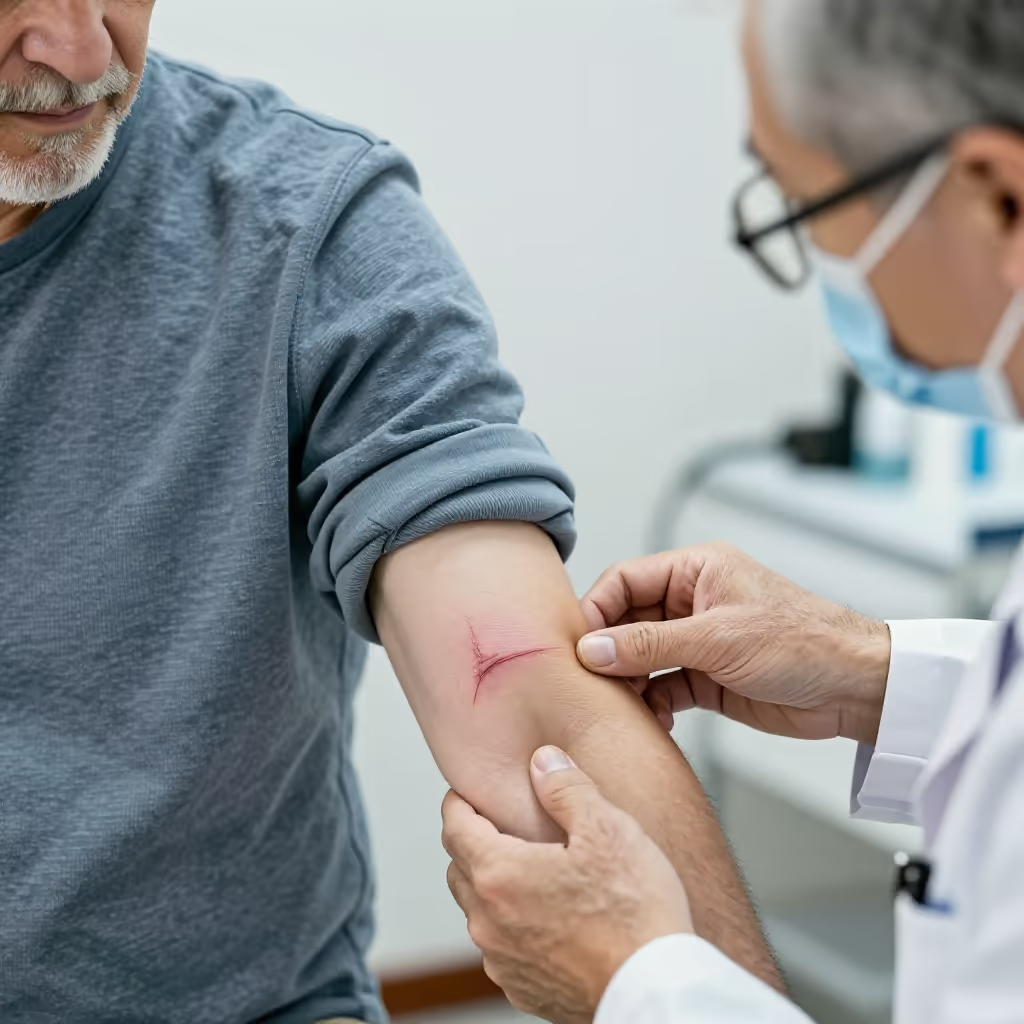
'Narbe' and 'Pocke' can both have to do with visible marks on the skin. A 'Narbe' remains after an injury, operation, or wound once the skin has healed. A 'Pocke' is actually a single pus-filled skin pustule from an illness; after it heals, it can also leave a small scar. The words can be confused because a healed 'Pocke' can look like a 'Narbe'. In everyday language, 'Narbe' is the general word for a lasting mark on the skin. 'Pocke' only fits in a specific medical or historical context involving smallpox or similar skin pustules.

Die Ärztin untersuchte die Pocke auf der Haut des Kindes sehr genau.
The doctor examined the pock on the child's skin very carefully.
Nach der Operation blieb eine kleine Narbe an ihrem Knie zurück.
After the operation, a small scar remained on her knee.