

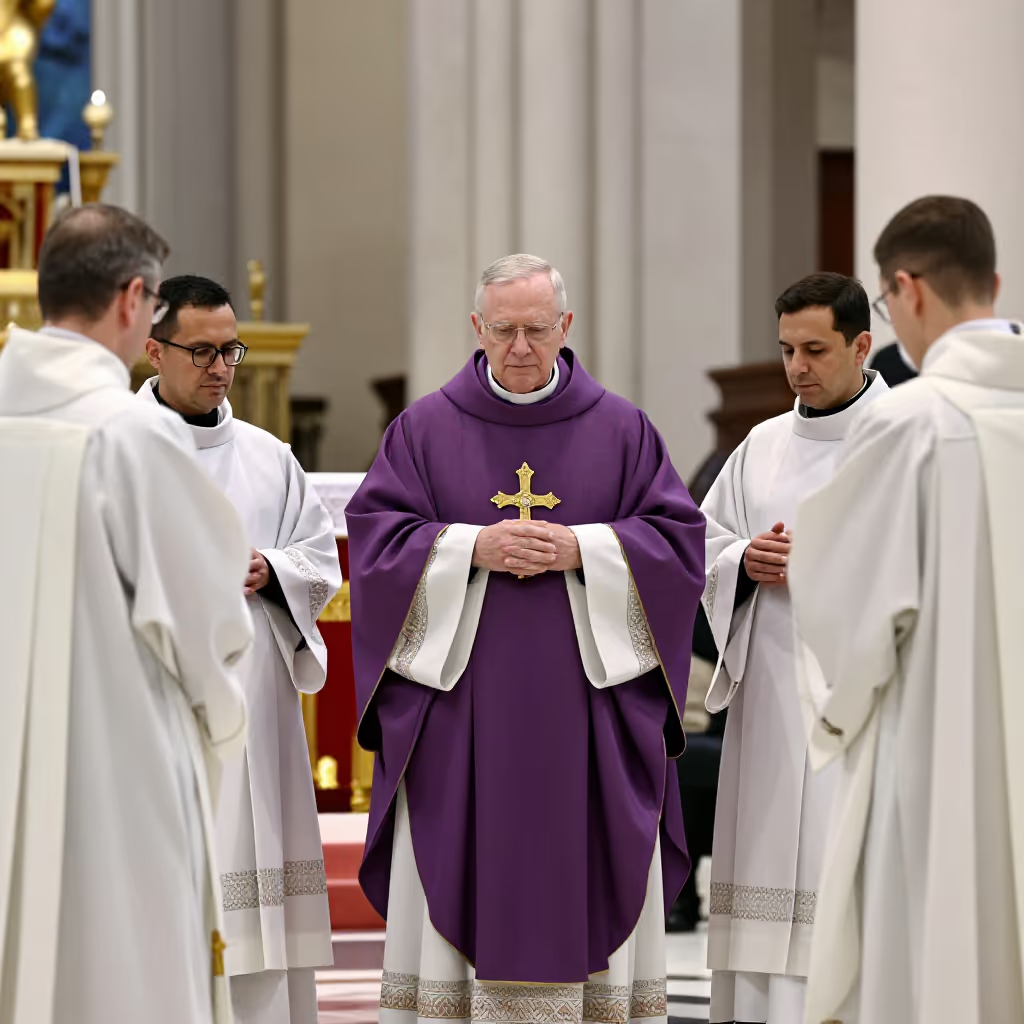
A high-ranking ecclesiastical dignitary in the Catholic Church who holds a special honorary title or a particular office, for example a bishop, abbot, or papal honorary prelate.
example
Der Papst ernannte den Priester für seine Verdienste zum Prälaten.
The pope appointed the priest a prelate for his services.
Usage tips
N-declension
'Der Prälat' (the prelate) belongs to the N-declension. In all cases except the nominative singular, the ending '-en' is added.
EXAMPLE
Der Bischof sprach lange mit dem Prälaten.
The bishop spoke at length with the prelate.
Religious technical term
This word is a technical term from the Catholic Church. It is used only in this specific religious context.
EXAMPLE
Nur wenige wissen, welche Aufgaben ein Prälat genau hat.
Only a few people know exactly what duties a prelate has.
Typical collocations
Common uses are 'jemanden zum Prälaten ernennen' (to appoint someone a prelate) or 'den Titel eines Prälaten verliehen bekommen' (to be awarded the title of prelate).
EXAMPLE
Für seine langjährigen Dienste wurde er vom Papst zum Prälaten ernannt.
For his many years of service, he was appointed a prelate by the pope.
Compare with
confusable
Prälat vs Pfarrer
pastor
'der Pfarrer' and 'der Prälat' both refer to clergy members, but they stand for different roles in the church. A pastor is normally responsible for a specific congregation. A prelate is a high-ranking dignitary in the Catholic Church and often has a special office or honorary title. The words can be confused because both sound official and church-related. In everyday language, 'Pfarrer' is much more natural when talking about the person in a congregation. 'Prälat' is more suitable for high Catholic offices or formal, official contexts.
Prälat
Der Prälat nahm an der feierlichen Sitzung im Bistum teil.
The prelate took part in the formal meeting in the diocese.
Pfarrer
Am Sonntag wird der Pfarrer die neuen Gemeindemitglieder begrüßen.
On Sunday, the pastor will welcome the new members of the congregation.