

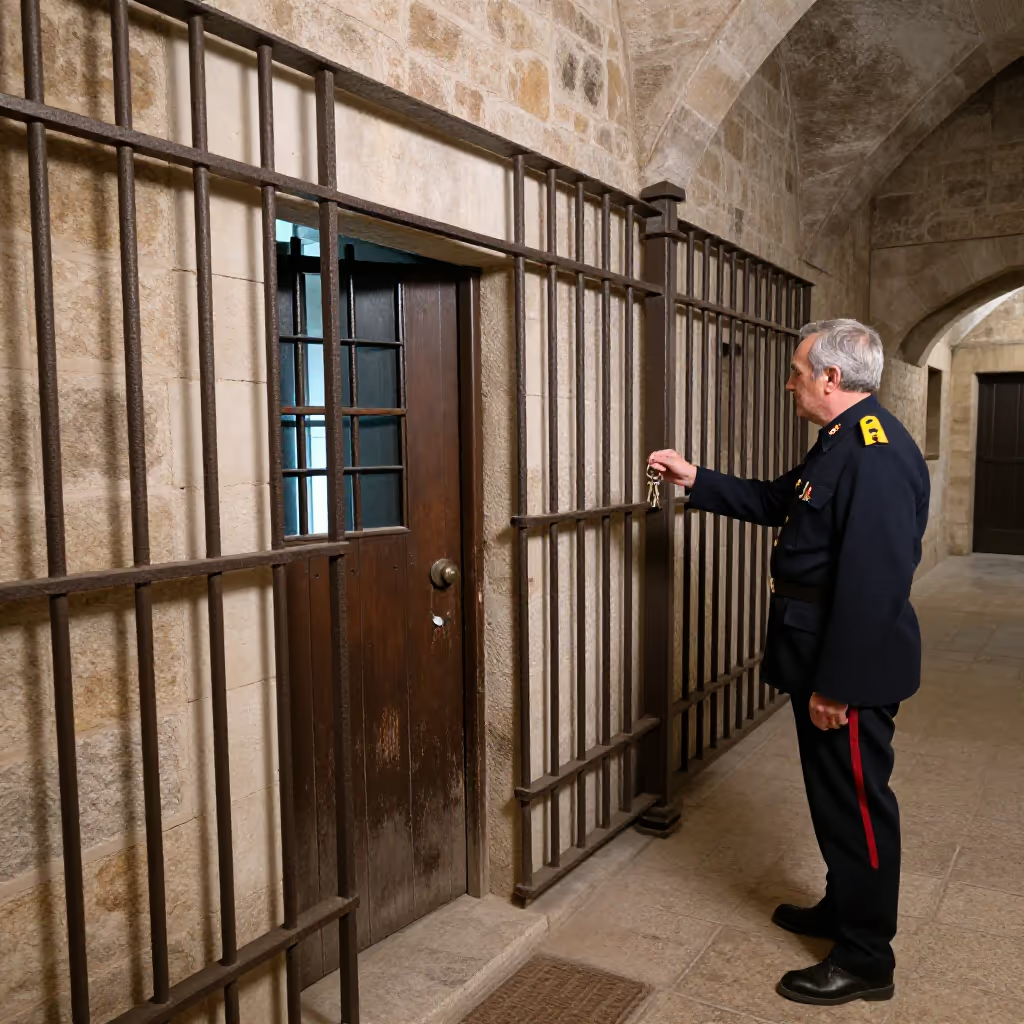
An outdated or elevated expression of French origin for a prison or detention facility.
example
Der Verurteilte wurde nach dem Prozess in das städtische Prison überführt.
After the trial, the convicted man was transferred to the municipal prison.

Usage tips
False friend
Although 'Prison' looks like the English word 'prison' and means the same thing, it is very rare in German. It is used only in an elevated or outdated style, not in everyday language.
EXAMPLE
In historischen Romanen werden die Helden oft in ein finsteres Prison geworfen.
In historical novels, the heroes are often thrown into a dark prison.
Register and style
This word belongs to a very elevated or literary register. In normal conversation or modern texts, it is practically not used.
EXAMPLE
Der Dichter beschrieb das Leben im Prison des 18. Jahrhunderts.
The poet described life in the prison of the 18th century.
Sentence structure with preposition
As with similar place expressions, 'ins Prison' (into prison) is used with the accusative for direction, and 'im Prison' (in prison) with the dative for the place of stay.
EXAMPLE
Der Rebell wurde ohne Verhandlung ins Prison gebracht.
The rebel was taken to prison without a trial.
Compare with
near_synonym
Prison vs Gefängnis
prison
'das Gefängnis' and 'das Prison' can both mean a place where prisoners are locked up. 'Gefängnis' is the normal German word and fits in almost all everyday situations, in news reports, and in conversations. 'Prison' is an outdated or elevated word and sounds unusual today. You are more likely to find it in older texts or in a deliberately distinctive style. For German learners, the important point is: in normal German, people almost always say 'Gefängnis'.
Prison
In dem alten Roman sitzt der Held lange im dunklen Prison.
In the old novel, the hero spends a long time in the dark prison.
Gefängnis
Nach dem Urteil kam der Täter für mehrere Jahre ins Gefängnis.
After the verdict, the offender went to prison for several years.