

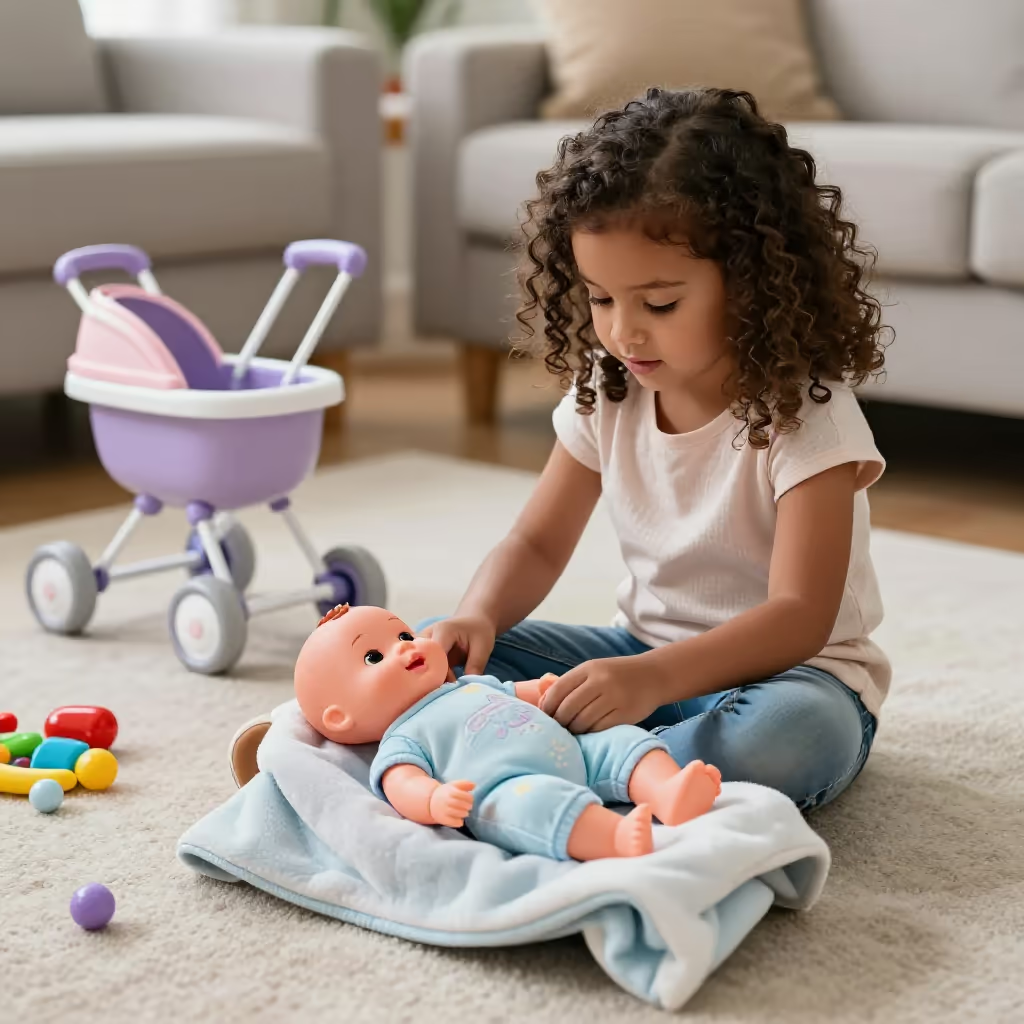
die Puppe
doll
A toy figure that represents a human being, often a baby or child, or a human-like figure.
EXAMPLE
Zum Geburtstag wünscht sich das Kind eine sprechende Puppe.
For their birthday, the child wants a talking doll.
doll / mannequin / pupa
Loading your saved state.
doll
A toy figure that represents a human being, often a baby or child, or a human-like figure.
Zum Geburtstag wünscht sich das Kind eine sprechende Puppe.
For their birthday, the child wants a talking doll.
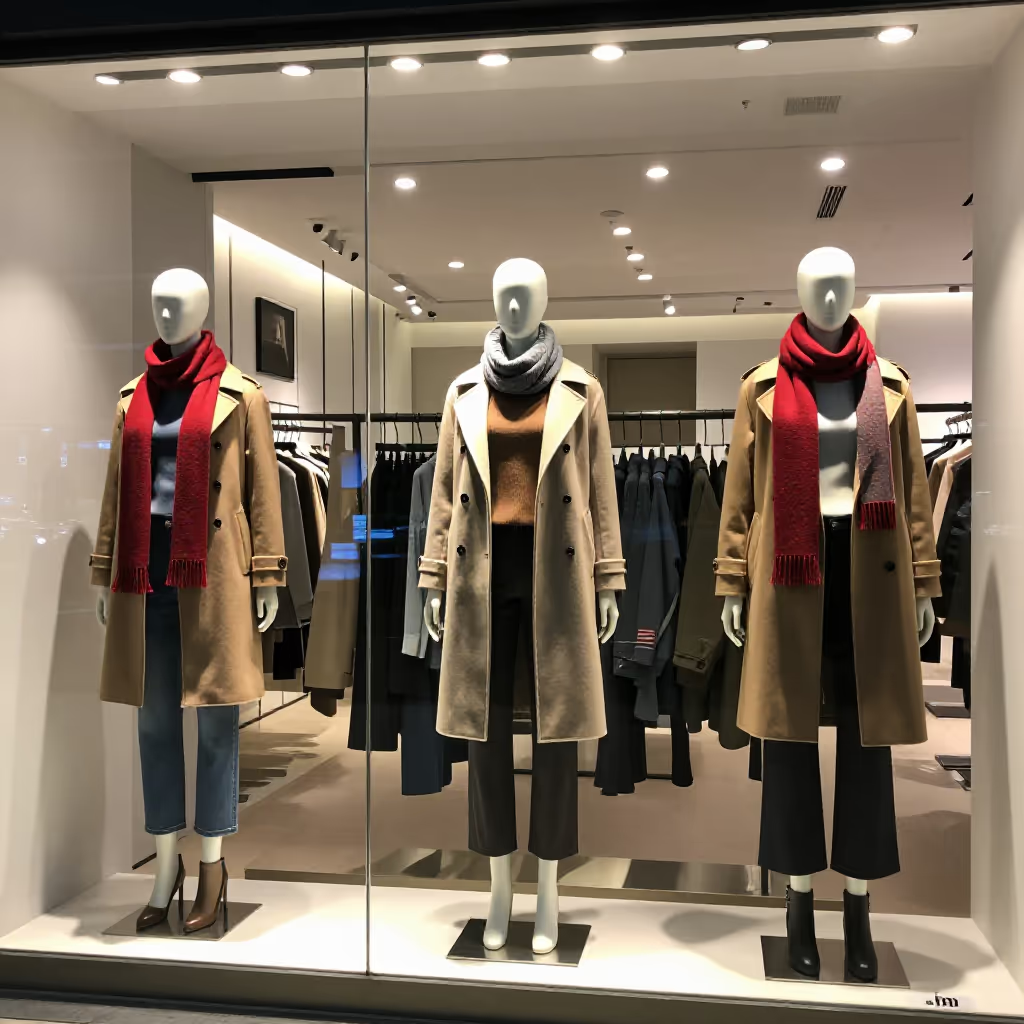
mannequin
A human-like figure used to display clothing, for example in a shop window.
Die Puppe im Schaufenster trägt die neueste Herbstmode.
The mannequin in the shop window is wearing the latest fall fashion.
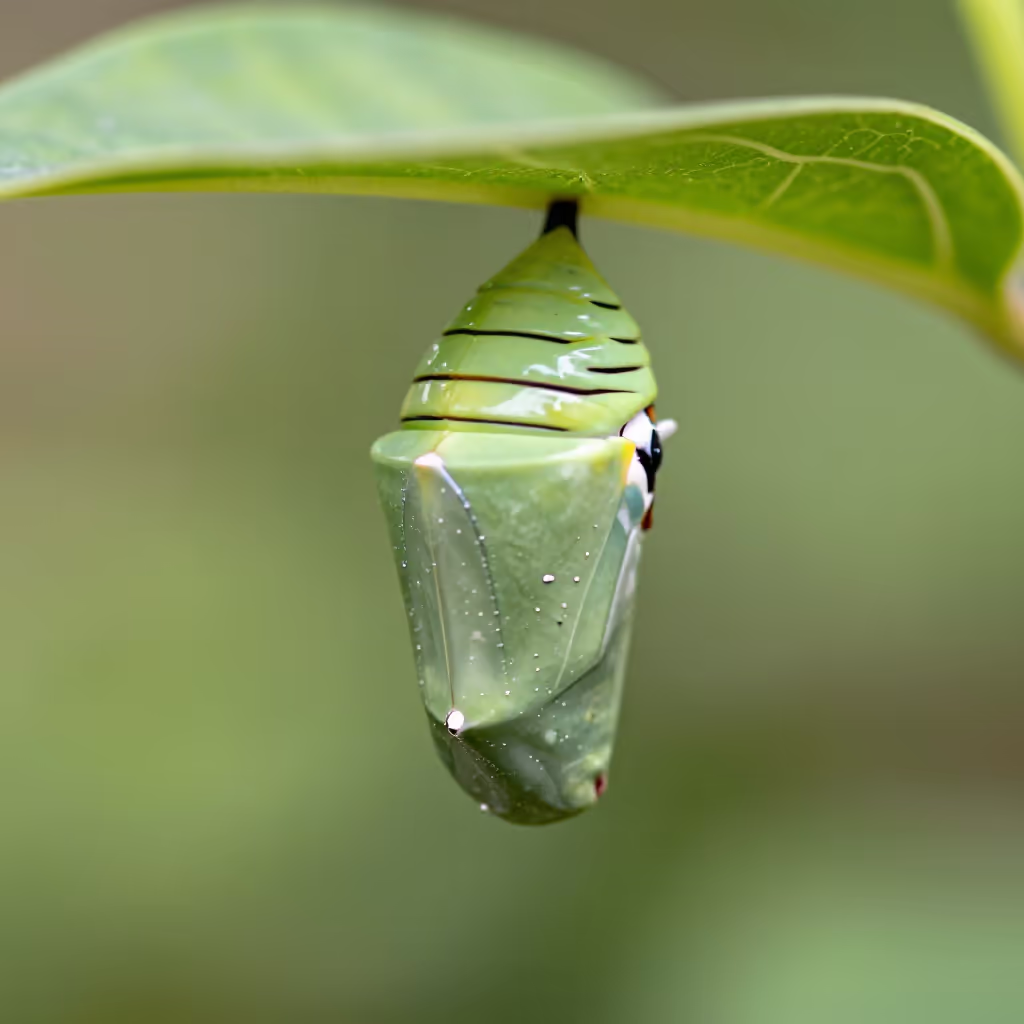
pupa
The developmental stage of an insect between the larva and the adult animal, during which metamorphosis takes place.
Aus der Puppe des Schmetterlings schlüpft nach einiger Zeit der fertige Falter.
After some time, the fully developed moth emerges from the butterfly's pupa.
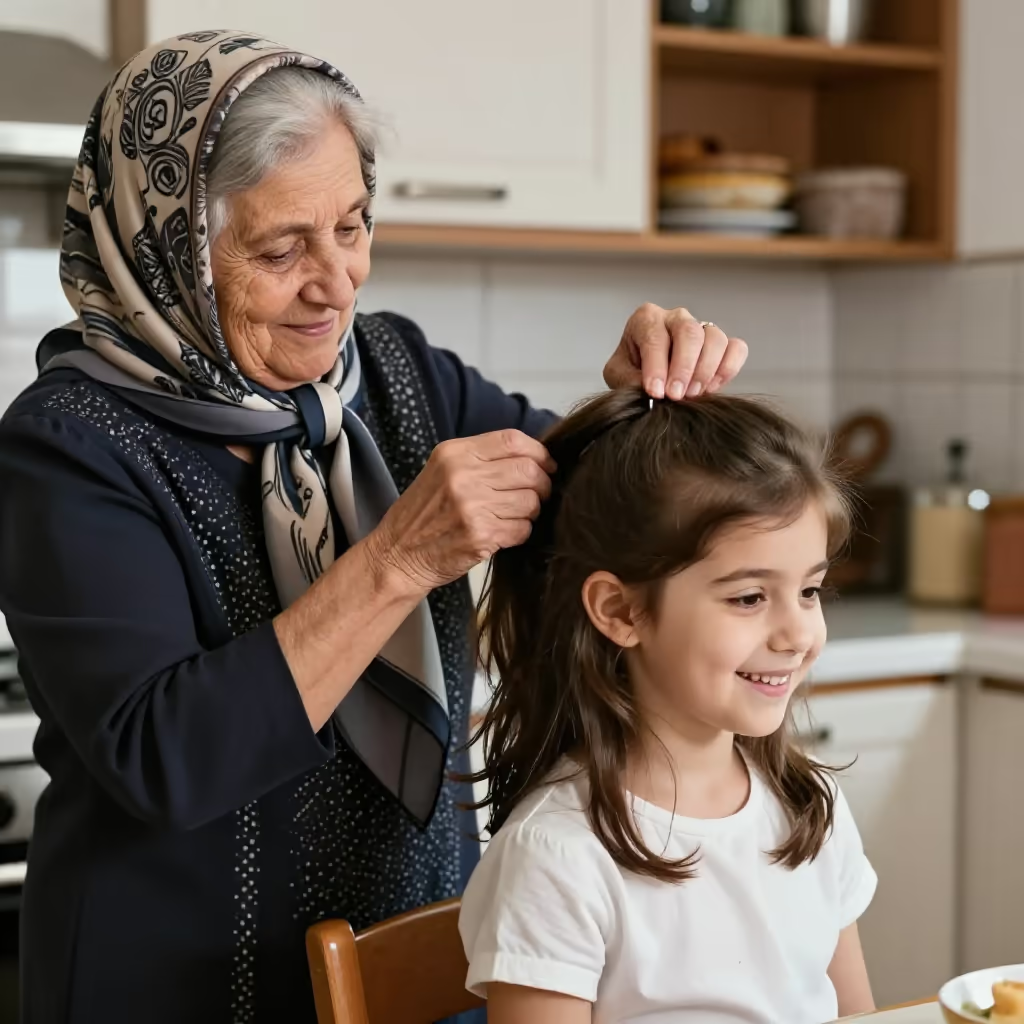
doll
A colloquial, often affectionate term for a little girl or a young woman.
Komm mal her, meine kleine Puppe, die Oma hat was für dich.
Come here, my little doll, Grandma has something for you.
The idiom 'die Puppen tanzen lassen' literally means 'to let the dolls dance' and means to celebrate exuberantly, throw a big party, or cause a lot of excitement.
Auf seiner Geburtstagsfeier haben wir so richtig die Puppen tanzen lassen.
At his birthday party, we really let loose.
When referring to the toy, typical verbs and nouns are 'mit Puppen spielen' (to play with dolls), 'eine Puppe anziehen' (to dress a doll), 'Puppenhaus' (dollhouse), or 'Puppenwagen' (doll stroller/pram).
Als Kind habe ich stundenlang mit meinen Puppen gespielt.
As a child, I played with my dolls for hours.
When 'Puppe' (doll/mannequin) is used in the context of clothing, fashion, a store, or a 'Schaufenster' (shop window), it means a mannequin.
Der Mantel sieht an der Puppe im Schaufenster toll aus.
The coat looks great on the mannequin in the shop window.
The biological meaning can be recognized from words like 'Insekt' (insect), 'Schmetterling' (butterfly), 'Larve' (larva), or the verb 'sich verpuppen' (to pupate). In this context, it is a technical term.
Die Raupe hat sich in eine Puppe verwandelt.
The caterpillar has transformed into a pupa.
As a form of address or term for a girl or woman, 'Puppe' (doll) is colloquial and usually meant affectionately or familiarly. It is often used with a possessive pronoun like 'meine' (my).
Hallo meine Puppe, wie war dein Tag in der Schule?
Hello, my doll, how was your day at school?