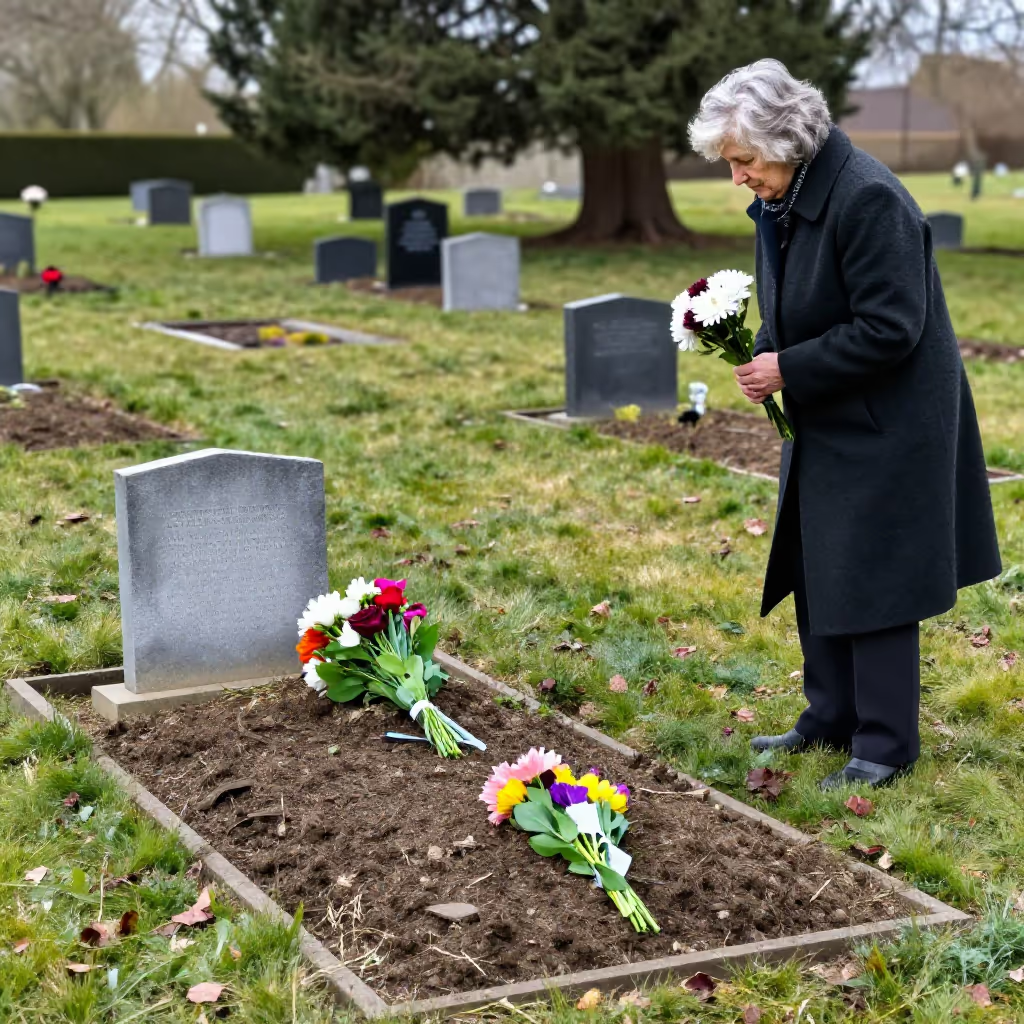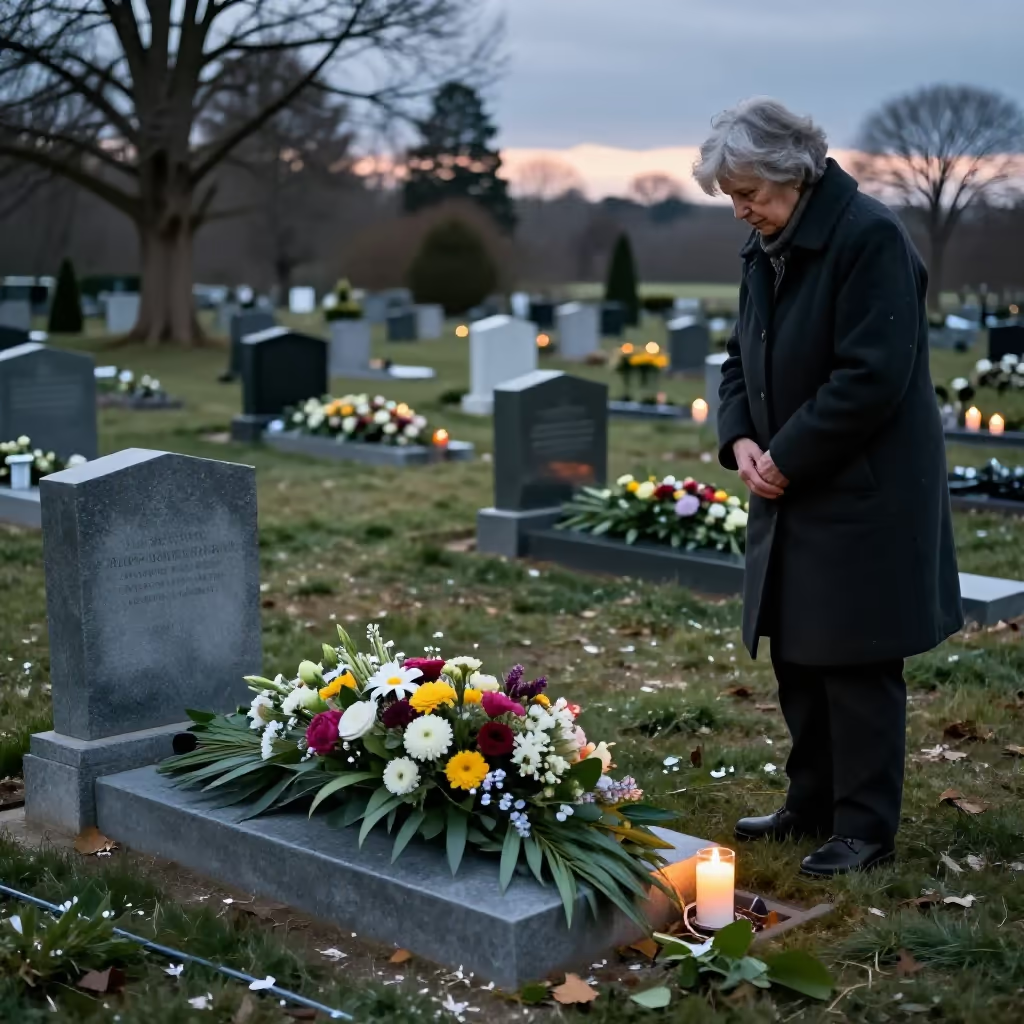
An elevated or euphemistic expression for the place where a person is buried; a grave.
example
Die Familie besuchte die Ruhestätte ihrer Vorfahren auf dem alten Friedhof.
The family visited the resting place of their ancestors in the old cemetery.
Usage tips
Word composition
The word is made up of 'Ruhe' (rest/peace) and 'Stätte' (place/site). 'Stätte' is an elevated word for 'Ort' (place) or 'Stelle' (spot/place). A Ruhestätte is therefore literally a 'place of rest'.
EXAMPLE
Der Park wurde als öffentliche Ruhestätte für die Bürger angelegt.
The park was designed as a public place of rest for the citizens.
Register and style
In the meaning of 'Grab' (grave), 'Ruhestätte' (resting place) is a euphemism. The word is used to speak respectfully and gently about a burial place.
EXAMPLE
Viele Menschen pflegen die Ruhestätten ihrer Angehörigen.
Many people care for the resting places of their relatives.
Typical collocation
The combination 'die letzte Ruhestätte' (the final resting place) is especially common for referring to a person's grave.
EXAMPLE
Der berühmte Schriftsteller fand seine letzte Ruhestätte in seiner Heimatstadt.
The famous writer found his final resting place in his hometown.
Context clue
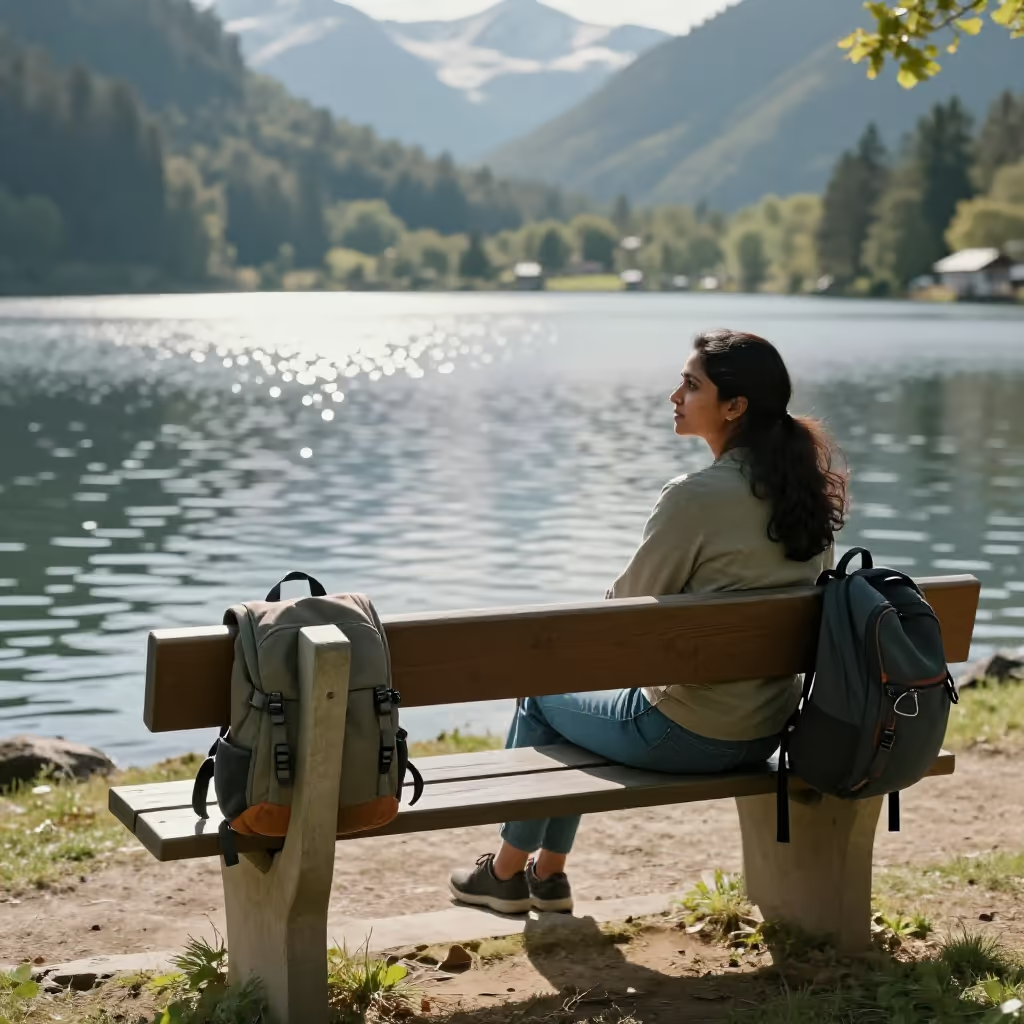
The context reveals whether a grave or a place of relaxation is meant. If it is about cemeteries, death, or the deceased, it means a grave. If it is about nature, travel, or breaks, it means a place of rest.
EXAMPLE
Die Bank unter der alten Eiche war für uns eine willkommene Ruhestätte.
The bench under the old oak tree was a welcome place of rest for us.
Compare with
near_synonym
Ruhestätte vs Grab
grave
'das Grab' and 'die Ruhestätte' can refer to the same place: the place where a deceased person is buried. 'das Grab' is the normal, direct word in everyday language. 'die Ruhestätte' sounds more elevated, gentler, and more respectful. You are more likely to hear it in official texts, on signs, or when someone wants to speak in a particularly dignified way. If you are simply talking about a visit to the cemetery, 'Grab' usually fits better. 'Ruhestätte' emphasizes peace, dignity, and remembrance more strongly.
Ruhestätte
Im alten Park liegt die letzte Ruhestätte eines bekannten Dichters.
The final resting place of a well-known poet lies in the old park.
Grab
Auf dem Friedhof ist das Grab im Frühling mit kleinen Blumen bepflanzt.
In spring, the grave in the cemetery is planted with small flowers.