

schwitzen
to sweat
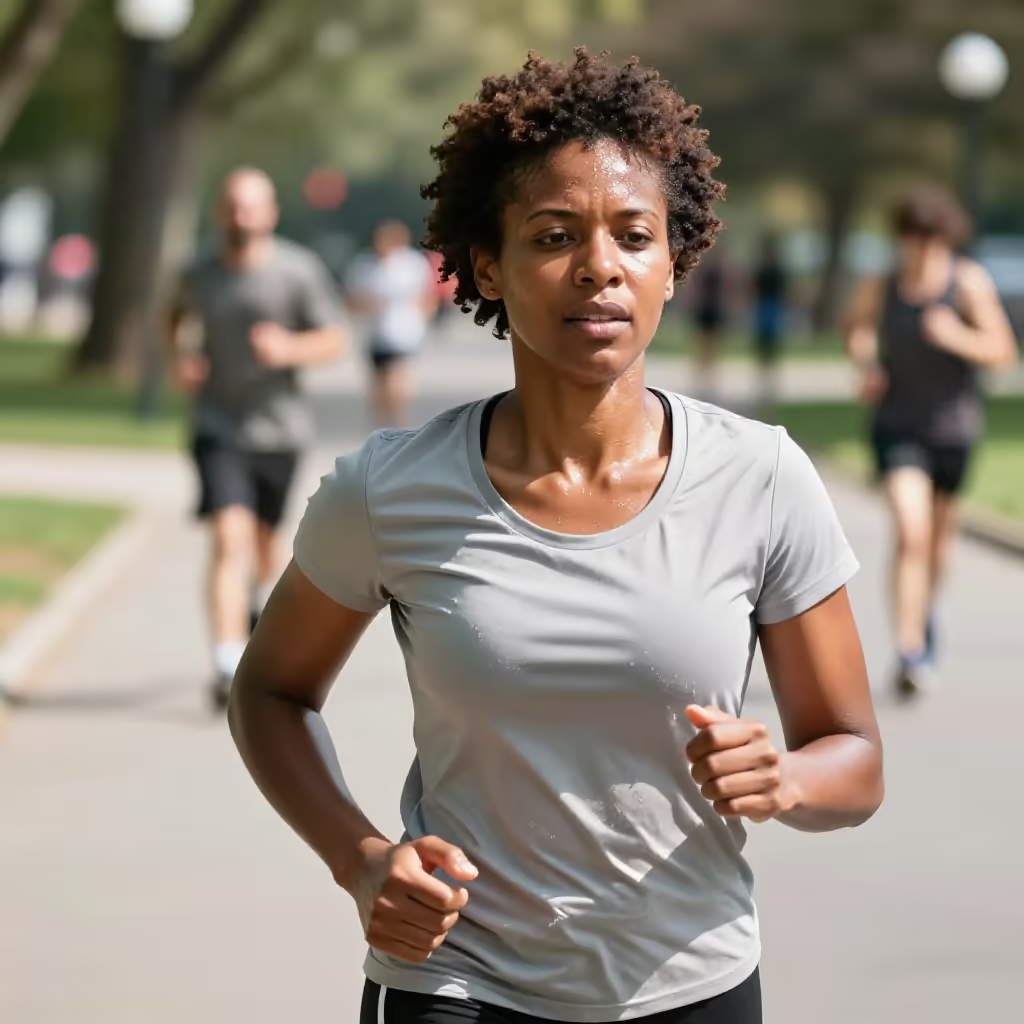
To release fluid (sweat) through the skin, usually due to heat, physical exertion, or fear.
EXAMPLE
In der Sauna fängt man schnell an zu schwitzen.
In the sauna, you quickly start to sweat.
to sweat
Loading your saved state.
to sweat
To release fluid (sweat) through the skin, usually due to heat, physical exertion, or fear.
In der Sauna fängt man schnell an zu schwitzen.
In the sauna, you quickly start to sweat.
to sweat
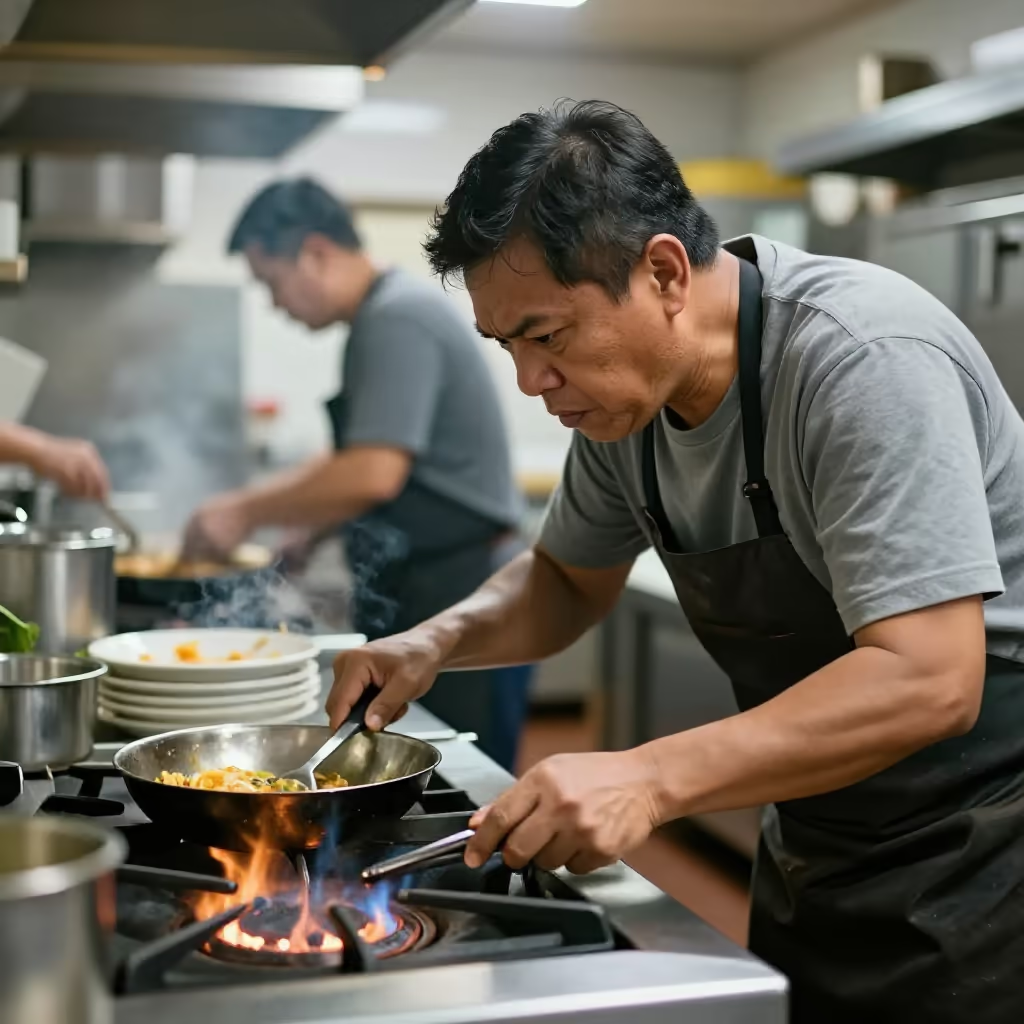
Colloquial for working very hard, making a great effort, or being very afraid.
Vor der mündlichen Prüfung habe ich ganz schön geschwitzt.
Before the oral exam, I really sweated.
to sweat
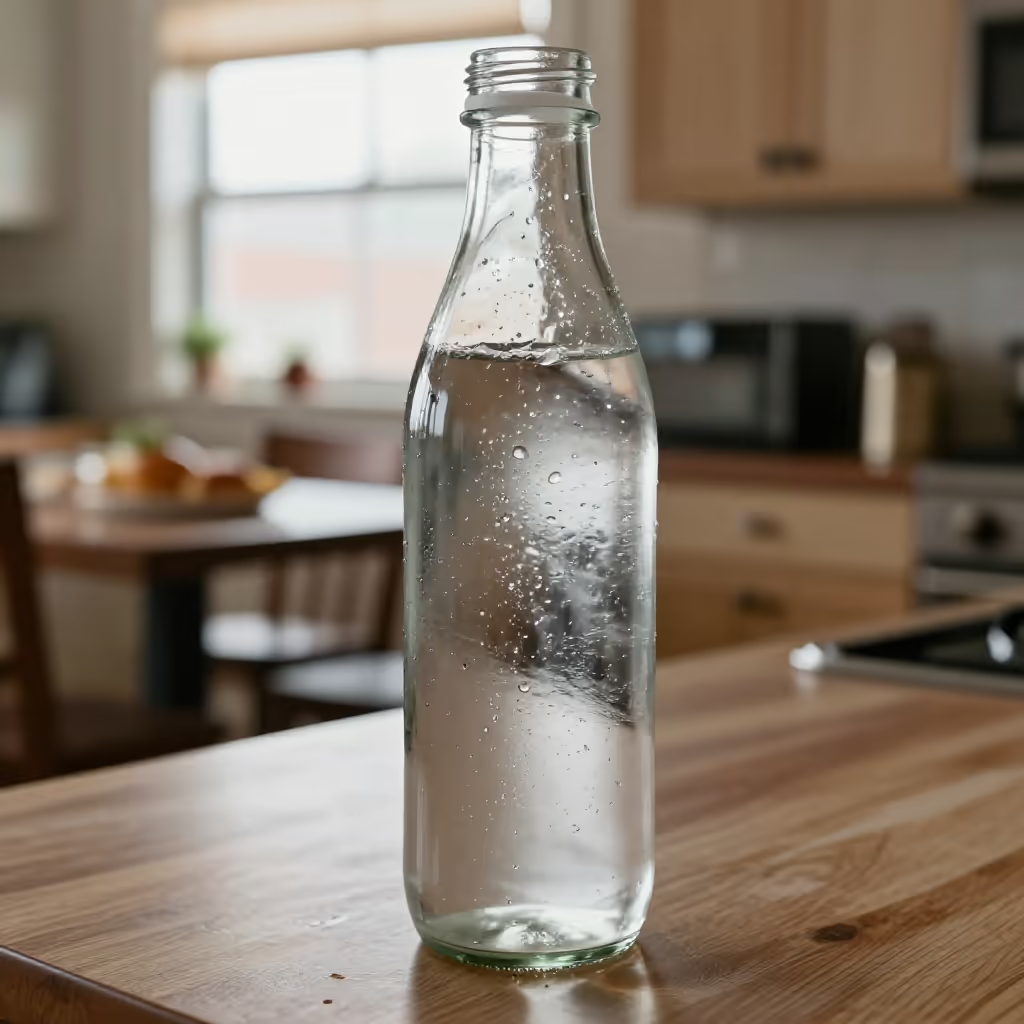
Describes the formation of condensation on a surface, for example on a cold bottle in a warm environment or on cheese.
Die kalte Glasflasche schwitzt in der warmen Raumluft.
The cold glass bottle sweats in the warm room air.
The verb 'schwitzen' (to sweat) is closely related to the noun 'der Schweiß' (sweat). When you sweat, your body produces sweat.
Beim Marathon hat er stark geschwitzt und sein T-Shirt war voller Schweiß.
During the marathon, he sweated heavily, and his T-shirt was full of sweat.
To indicate the reason for sweating, especially with feelings such as fear or nervousness, you use the preposition 'vor' with the dative.
Der Kandidat schwitzte vor Aufregung, als er auf die Bühne ging.
The candidate sweated with excitement as he went onto the stage.
When the context is an exam, a difficult task, or a tense situation, 'schwitzen' (to sweat) colloquially means that someone is making a great effort or is afraid.
Für diese gute Note musste ich im Examen ganz schön schwitzen.
I really had to sweat in the exam to get this good grade.
When the subject is an object, for example a bottle, a wall, or cheese, 'schwitzen' (to sweat) describes the formation of water droplets (condensation) on the surface.
Hol die Getränke erst kurz vor dem Servieren aus dem Kühlschrank, sonst schwitzen die Flaschen.
Take the drinks out of the fridge only shortly before serving, otherwise the bottles will sweat.