

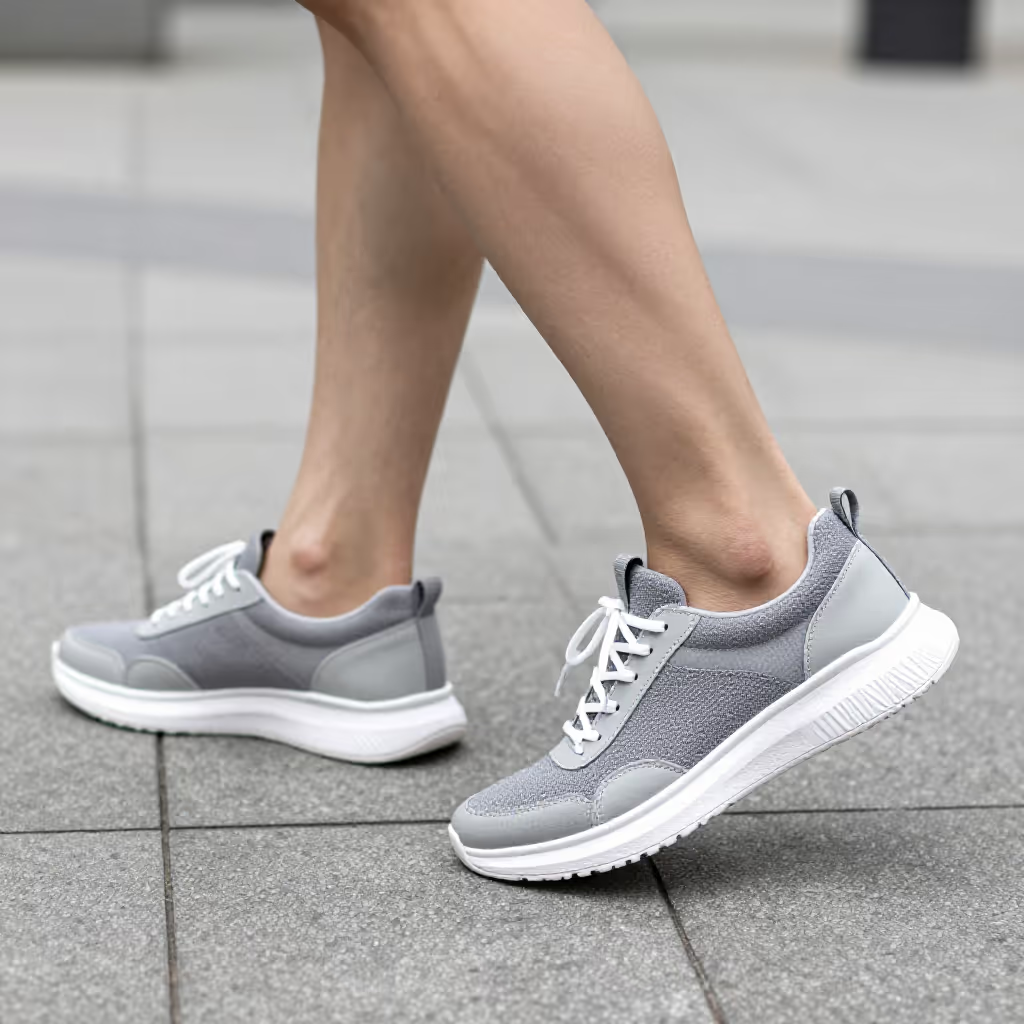
A sporty, comfortable shoe for everyday wear that was originally developed for sports. It typically has a flexible rubber sole and is made from materials such as leather, fabric, or synthetic materials.
example
Zu seinem Anzug trug er provokant weiße Sneaker.
He provocatively wore white sneakers with his suit.
Usage tips
English loanword
'Sneaker' is a direct loanword from English. It is pronounced the same way in German and has become an established common term for sporty casual shoes.
EXAMPLE
Ich brauche neue Sneaker für den Frühling.
I need new sneakers for spring.
Register and style
This word belongs to modern everyday language and is used by people of all age groups. It sounds more fashionable and more specific than the older term 'Turnschuh' (gym shoe/trainer).
EXAMPLE
Sie trägt am liebsten bequeme Jeans und Sneaker.
She likes wearing comfortable jeans and sneakers best.
Typical verbs
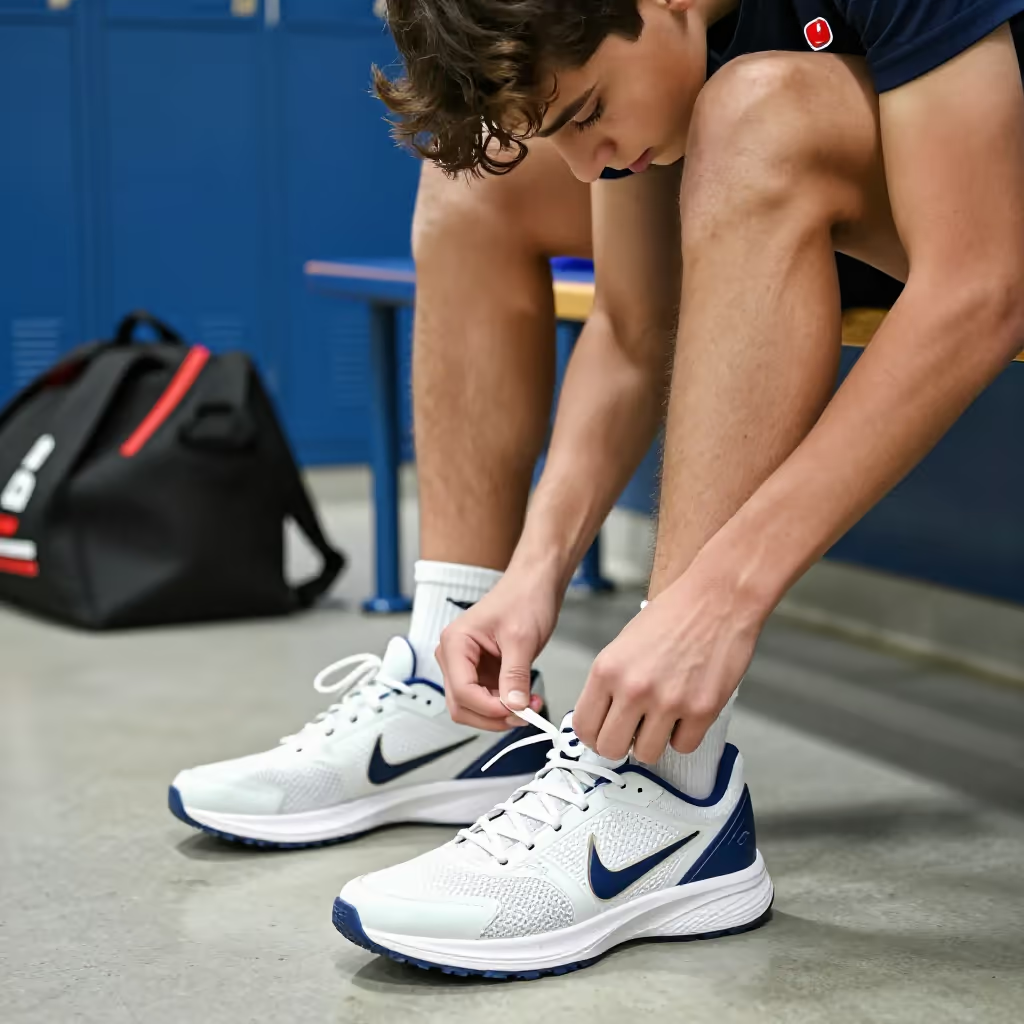
In everyday language, sneakers are usually 'getragen' (worn) or 'angezogen' (put on). When buying them, you simply say 'Sneaker kaufen' (to buy sneakers).
EXAMPLE
Er trägt seine Lieblingssneaker fast jeden Tag.
He wears his favorite sneakers almost every day.
Compare with
near_synonym · confusable
Sneaker vs Schuh
shoe
'Schuh' and 'Sneaker' both belong to the category of footwear. 'Schuh' is the general term and can mean dress shoes, winter shoes, sports shoes, or many other types. 'Sneaker' is a specific type of shoe: sporty, comfortable, and often worn in everyday life. The words can be confused because every sneaker is a shoe, but not every shoe is a sneaker. If the type does not matter, 'Schuh' fits. If you mean the sporty everyday shoe, 'Sneaker' is more precise.
Sneaker
Im Bus sieht er, dass seine neuen Sneaker schon wieder schmutzig sind.
On the bus, he sees that his new sneakers are already dirty again.
Schuh
Für den Termin morgen brauche ich einen sauberen Schuh und keine alten Hausschuhe.
For the appointment tomorrow, I need a clean shoe, not old slippers.