


so
In this way or in a particular way. Refers to something that is shown, described, or has already been mentioned.
EXAMPLE
Halte den Schläger so, wie ich es dir gezeigt habe.
Hold the racket the way I showed you.
Loading your saved state.
In this way or in a particular way. Refers to something that is shown, described, or has already been mentioned.
Halte den Schläger so, wie ich es dir gezeigt habe.
Hold the racket the way I showed you.

To this or a particularly high degree. Indicates how strongly a characteristic, condition, or feeling is expressed.
Ich habe dich so sehr vermisst!
I missed you so much!

such a
A person or thing of the mentioned or recognizable kind. Can also express a strong evaluation.
So ein Fahrrad hätte ich auch gern.
I would love to have a bike like that.

about
Approximately or roughly. Used colloquially with quantities, numbers, times, and similar information.
Die Reparatur kostet so hundert Euro.
The repair costs about a hundred euros.

as ... as
Establishes a comparison and indicates the same degree or extent of a characteristic.
Das neue Sofa ist so breit wie das alte.
The new sofa is as wide as the old one.

Therefore or consequently. Identifies something as the result or consequence of what was previously said.
Der letzte Zug war bereits abgefahren, und so mussten wir ein Taxi nehmen.
The last train had already left, so we had to take a taxi.

so ... that
Connects a manner or a particular degree with the resulting consequence.
Der Koffer war so schwer, dass ich ihn nicht allein tragen konnte.
The suitcase was so heavy that I couldn't carry it by myself.

just like that
Without any particular reason, occasion, or discernible intention. Depending on the context, it can also mean without further ado or without the necessary permission.
Ich habe dir die Blumen einfach so mitgebracht, ohne besonderen Anlass.
I brought you the flowers just because, without any special occasion.
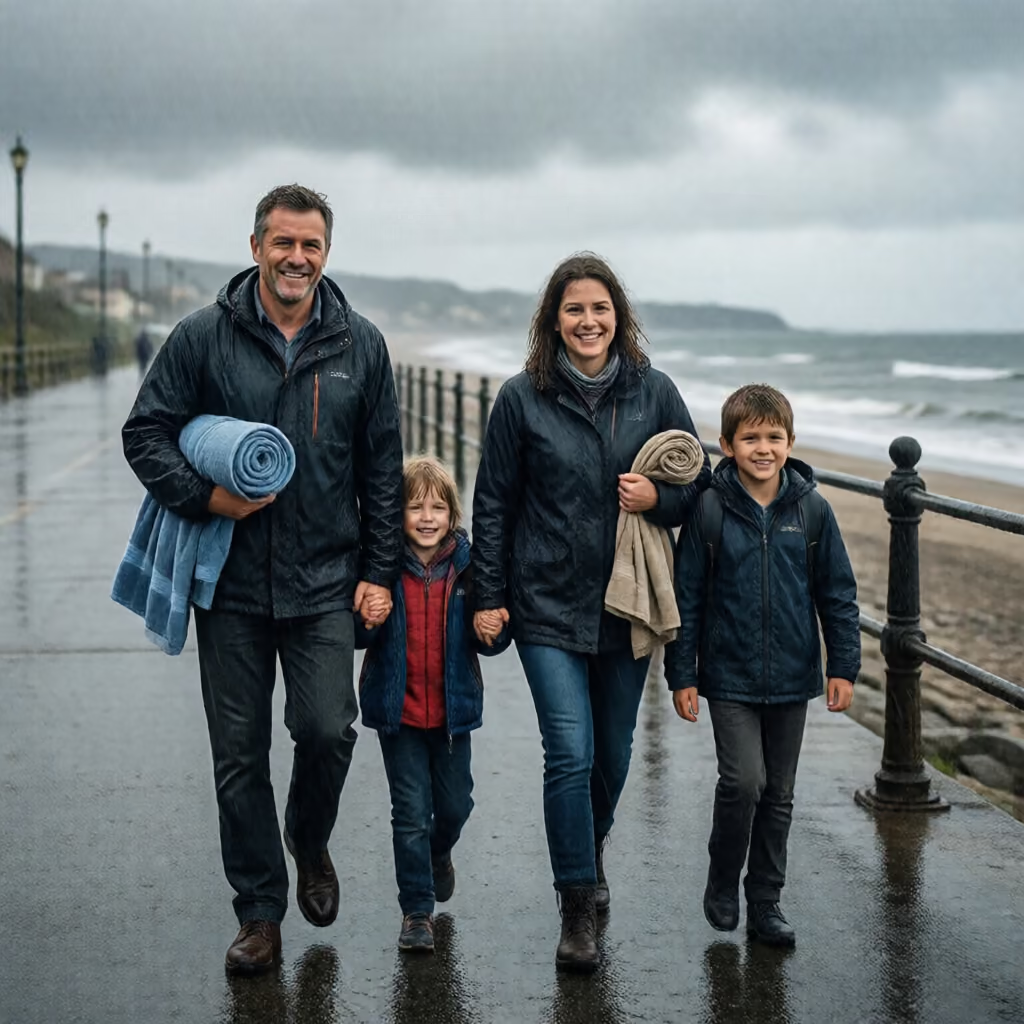
either way
In any case; regardless of which of the mentioned possibilities occurs.
Ob es regnet oder nicht, wir fahren so oder so ans Meer.
Whether it rains or not, we're going to the seaside either way.
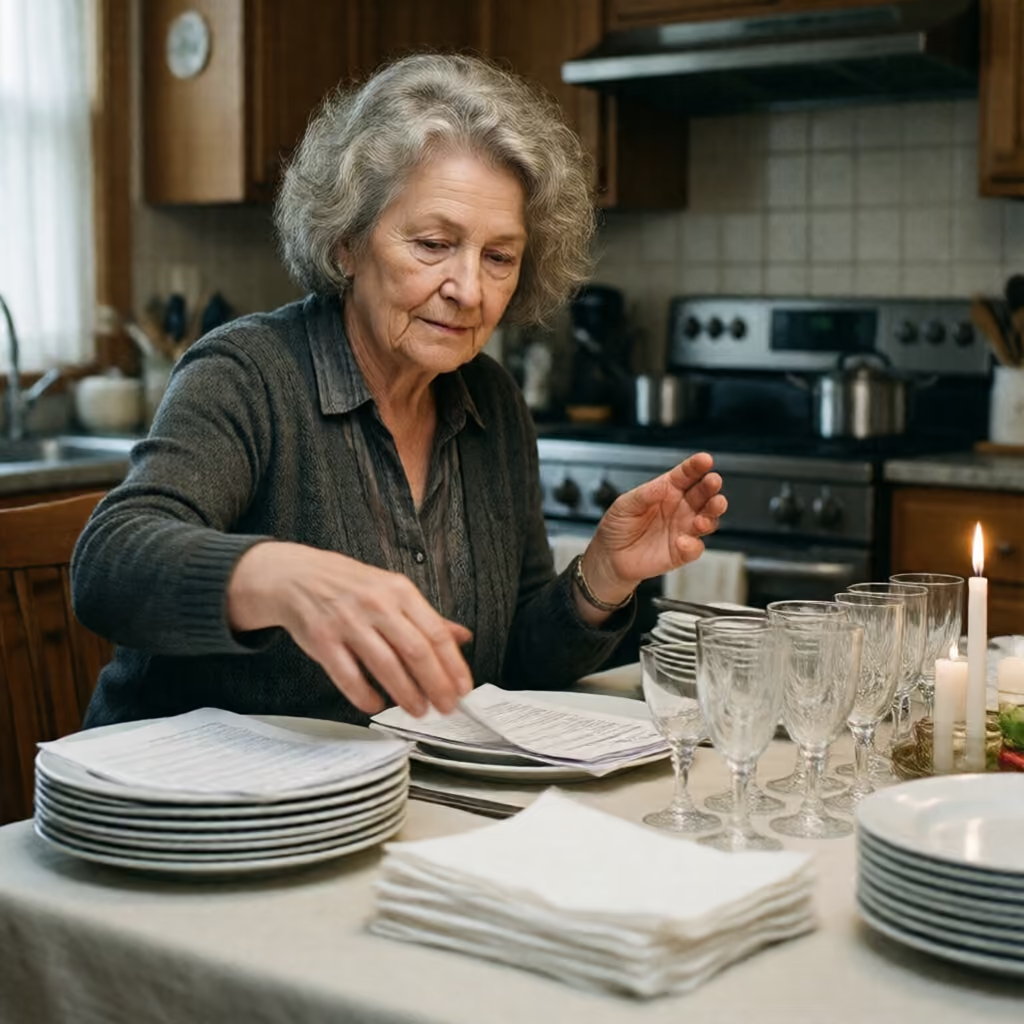
and so on
Indicates that a list could be continued with other similar things.
Für das Fest brauchen wir Teller, Gläser, Servietten und so weiter.
For the party, we need plates, glasses, napkins, and so on.

In conversation, marks the completion of one step or the transition to a new action. It can also call for attention.
So, jetzt beginnen wir mit der Besprechung.
So, now let's begin the meeting.

so-so
Colloquially, mediocre or not particularly good, but not especially bad either.
Der Film war so lala.
The film was so-so.

then
Then; introduces a statement about what applies or happens under a condition.
Sollte der Antrag abgelehnt werden, so können Sie Widerspruch einlegen.
Should the application be rejected, then you may lodge an appeal.

according to
Especially in news reports, identifies the person or source making the statement being quoted or reported.
Die Brücke werde im Mai eröffnet, so die Bürgermeisterin.
The bridge will open in May, according to the mayor.

however ...
Expresses that a characteristic or circumstance does not change the following statement. Corresponds roughly to “although” or “no matter how much.”
So teuer das Gerät auch ist, es geht ständig kaputt.
However expensive the device is, it keeps breaking down.
When describing an action, „so“ (so / this way) often comes before a phrase with „wie“ (how). The combination „so, wie …“ (the way …) refers to a manner that has already been shown or explained.
Mach es so, wie es in der Anleitung steht.
Do it the way it says in the instructions.
Before an adjective or adverb, „so“ (so) intensifies the degree being described. Together with „sehr“ (very), it also frequently forms the fixed expression „so sehr“ (so much / so very).
Das Wasser ist heute so kalt!
The water is so cold today!
Before a noun, „so ein“ (such a) can be used with or without an adjective: „so ein Haus“ (such a house), „so ein schönes Haus“ (such a beautiful house). The construction can express admiration, surprise, or a strong evaluation.
So einen leckeren Kuchen habe ich lange nicht gegessen.
I haven't eaten such a delicious cake in a long time.
With approximate numbers and times, „so“ (about) usually comes directly before the information. This usage is especially common in spoken and casual language.
Wir treffen uns so gegen acht Uhr vor dem Kino.
Let's meet in front of the cinema at around eight o'clock.
The pattern „so + adjective or adverb + wie“ (as + adjective or adverb + as) compares two things in terms of the same degree or extent. The basis of comparison follows „wie“ (as).
Meine neue Wohnung ist so hell wie das Büro.
My new apartment is as bright as the office.
As an adverb of consequence, „so“ (so) can introduce a new main clause and refer to a result mentioned previously. When „so“ comes first, the finite verb follows it directly.
Der Akku war leer, und so konnte ich niemanden anrufen.
The battery was dead, so I couldn't call anyone.
In the pattern „so …, dass …“ (so … that …), the first part describes a degree or manner; the „dass“ (that) clause states the consequence. In a subordinate clause with „dass“, the finite verb comes at the end.
Die Musik war so laut, dass wir uns kaum verstehen konnten.
The music was so loud that we could barely understand each other.
In „einfach so“ (just like that), „so“ stands for an action without a particular occasion or a more specific intention. The expression can also indicate that something happens without further ado.
Er hat mir einfach so einen Brief geschrieben.
He just wrote me a letter for no particular reason.
„So oder so“ (either way) usually follows a stated possibility or decision and indicates that the result will be the same in any case.
Wir müssen so oder so heute eine Entscheidung treffen.
Either way, we have to make a decision today.
„Und so weiter“ (and so on) comes at the end of a list and indicates that other similar examples are meant as well. In complete texts, the expression should be used sparingly.
Auf dem Schreibtisch lagen Bücher, Hefte, Stifte und so weiter.
There were books, notebooks, pens, and so on on the desk.
At the beginning of an utterance, „So“ with a pause can mark the completion of a previous step or the beginning of a new action. In this usage, it is often separated by a comma.
So, jetzt sehen wir uns gemeinsam die Ergebnisse an.
So, now let's look at the results together.
„So lala“ (so-so) is a fixed colloquial expression for a rating somewhere in the middle. It is often used as a short answer to a question about how one is feeling or how an experience was.
Wie war dein Wochenende? – So lala, ich musste die ganze Zeit arbeiten.
How was your weekend? – So-so, I had to work the whole time.
After an introductory condition, „so“ (then) can introduce the consequence that applies in the following main clause. This pattern is particularly common in formal or written texts.
Sollte der Termin ausfallen, so informieren wir Sie rechtzeitig.
Should the appointment be canceled, then we will inform you in good time.
In news reports, „so“ (according to) can follow a statement and introduce the person or institution from which the information comes. This postposed source attribution is mainly used in journalistic style.
Die Bauarbeiten beginnen im Herbst, so die Stadtverwaltung.
The construction work will begin in the fall, according to the city administration.
In the pattern „so … auch“ (however ...), a circumstance in the first part of the sentence does not change the statement in the main clause. The first part often begins with „so“ and contains an adjective or adverb.
So freundlich die Gastgeber auch waren, wir mussten früh nach Hause gehen.
However friendly the hosts were, we had to go home early.