

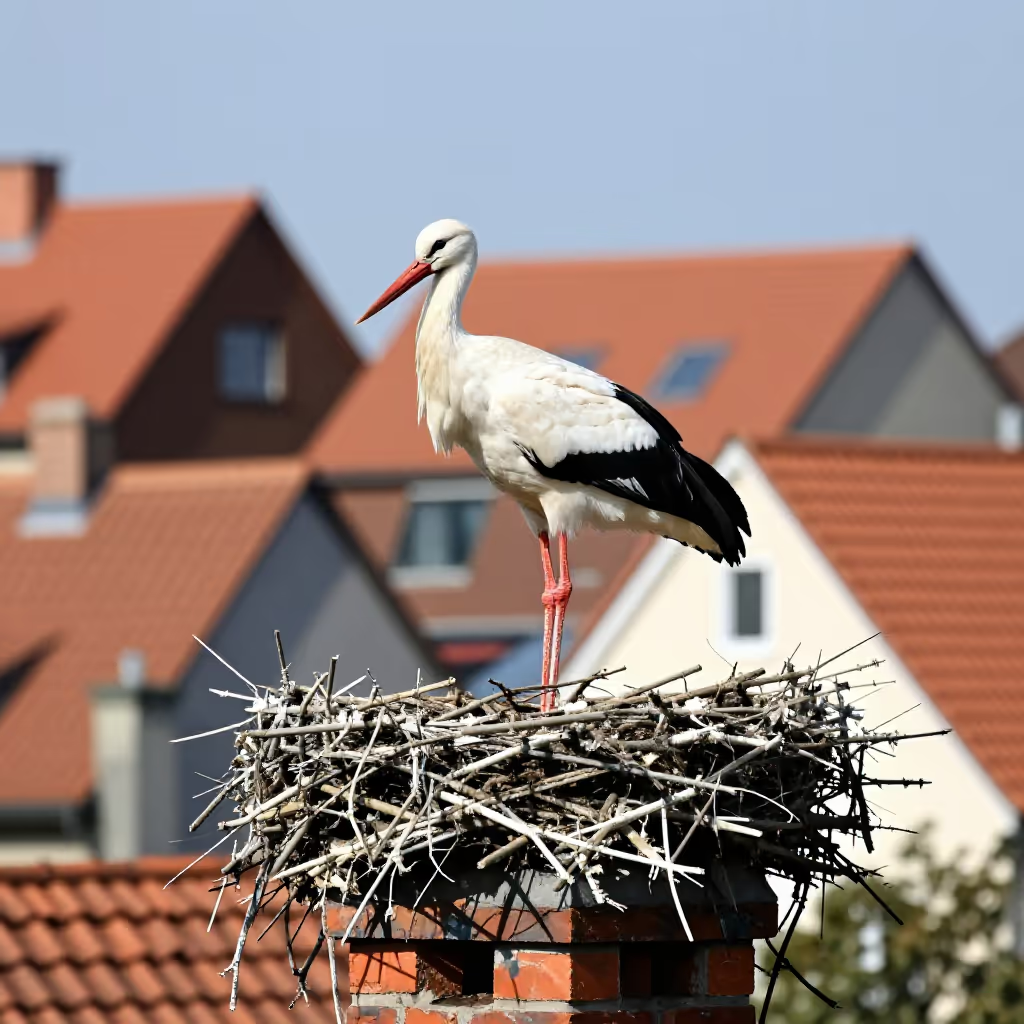
der Storch
stork
A large white bird with long red legs and a long red beak that often nests on roofs or chimneys.
EXAMPLE
Auf dem Kirchturm hat ein Storch sein Nest gebaut.
A stork has built its nest on the church tower.
stork
Loading your saved state.
stork
A large white bird with long red legs and a long red beak that often nests on roofs or chimneys.
Auf dem Kirchturm hat ein Storch sein Nest gebaut.
A stork has built its nest on the church tower.
stork
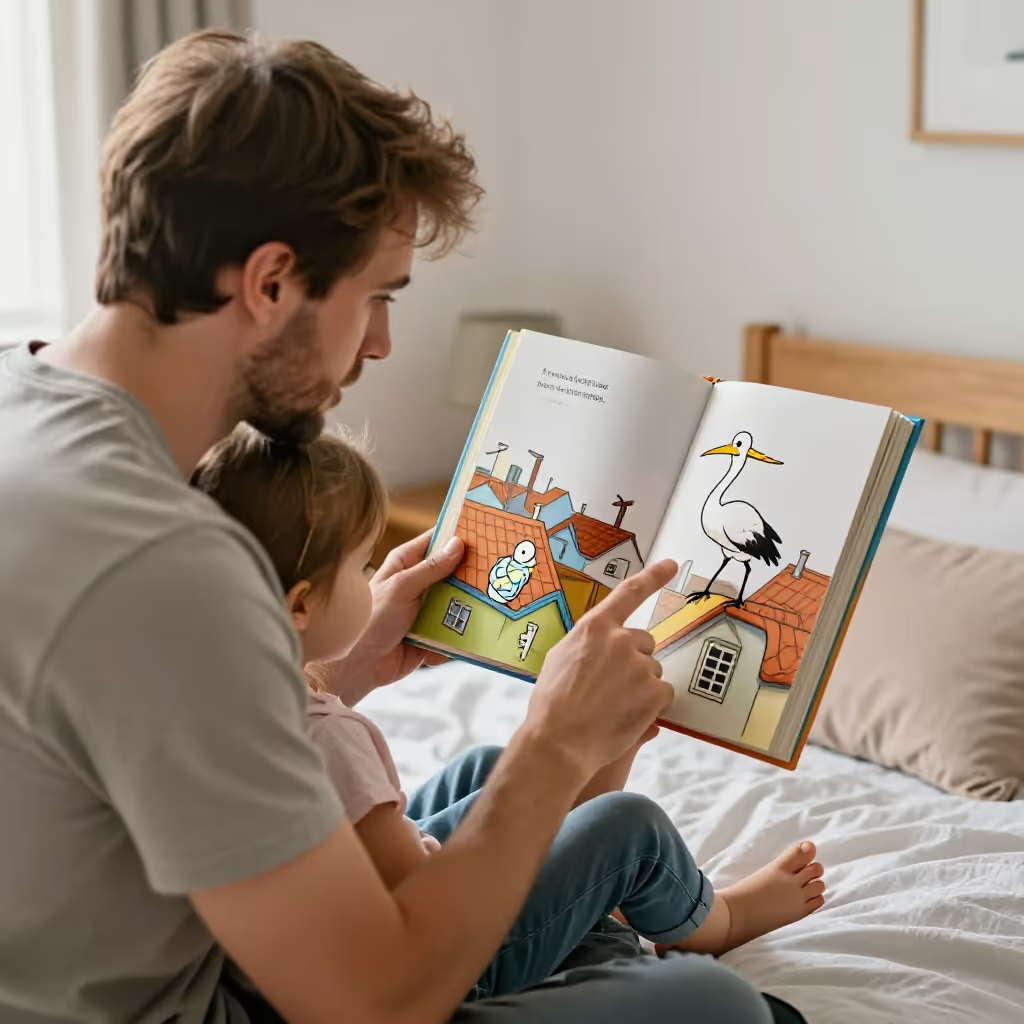
A mythical figure that children are told brings babies.
Früher hat man den Kindern erzählt, der Storch bringe die Babys.
In the past, children were told that the stork brought babies.
The characteristic sound that a stork makes with its beak is described with the verb 'klappern' (to clatter). This combination is very typical.
Hör mal, der Storch auf dem Dach klappert.
Listen, the stork on the roof is clattering.
The idea that the stork brings babies is an old myth in many European cultures. In the past, it was often used as a simple explanation for children about birth.
Meine Oma hat mir als Kind immer erzählt, der Storch hätte mich gebracht.
My grandma always told me when I was a child that the stork had brought me.
When 'Storch' (stork) is mentioned in conversation in connection with babies, children, or pregnancy, it almost always refers to the mythical figure and not the bird.
Ihre Nachbarn haben Nachwuchs bekommen, da war wohl der Storch da.
Their neighbors have had a baby; the stork must have been there.