

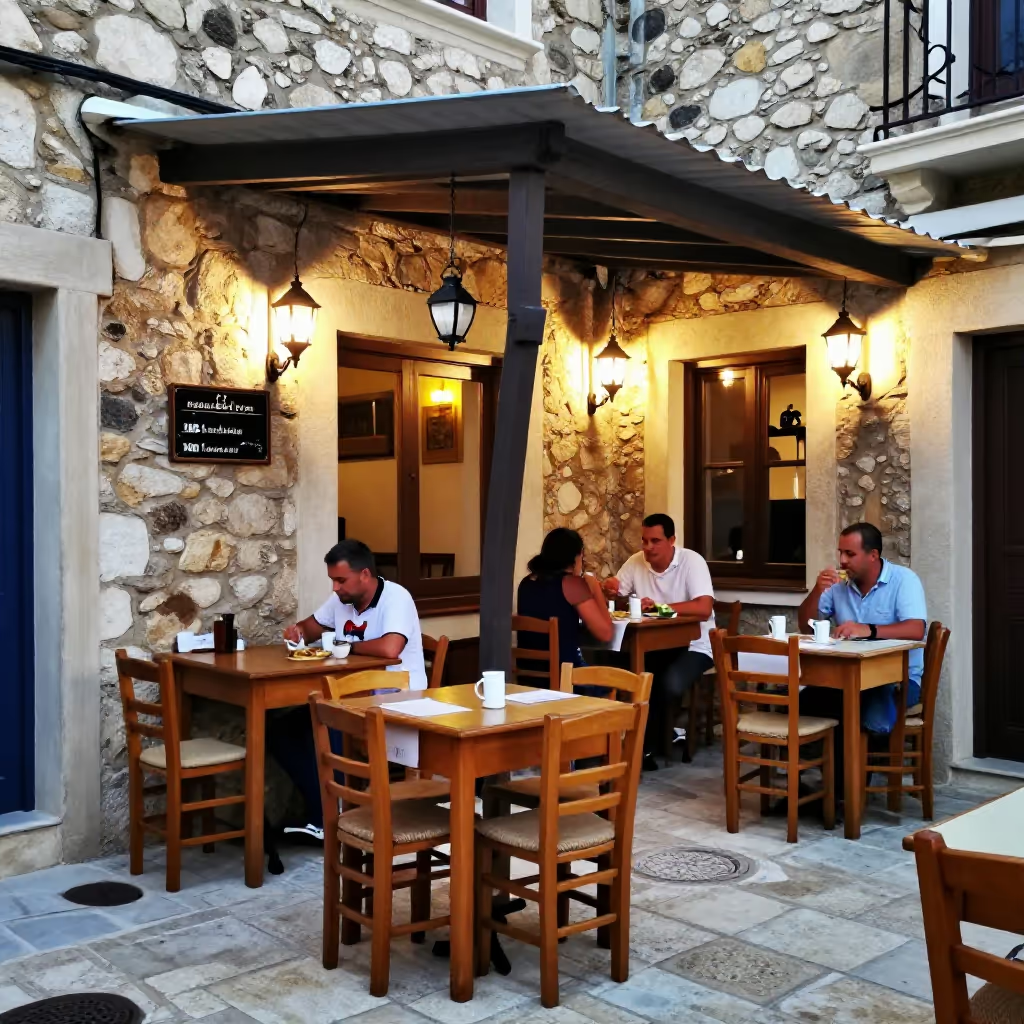
A simple inn or pub, often with a rustic or historical character, especially common in the Mediterranean region.
example
Im Urlaub in Griechenland haben wir jeden Abend in einer kleinen Taverne am Hafen gegessen.
On vacation in Greece, we ate every evening in a small tavern by the harbor.
Usage tips
Cultural context
The word 'Taverne' (tavern) conveys a particular atmosphere. It is often used for rustic, traditional inns in the Mediterranean region (especially Greece) or in historical and fantasy contexts.
EXAMPLE
In dem Fantasy-Roman treffen sich die Helden in einer lauten Taverne.
In the fantasy novel, the heroes meet in a noisy tavern.
Typical collocations
Common adjectives combined with 'Taverne' (tavern) are 'klein' (small), 'griechisch' (Greek), or 'urig' (quaint/rustic). As verbs, 'einkehren' (to stop in) or 'besuchen' (to visit) are often used.
EXAMPLE
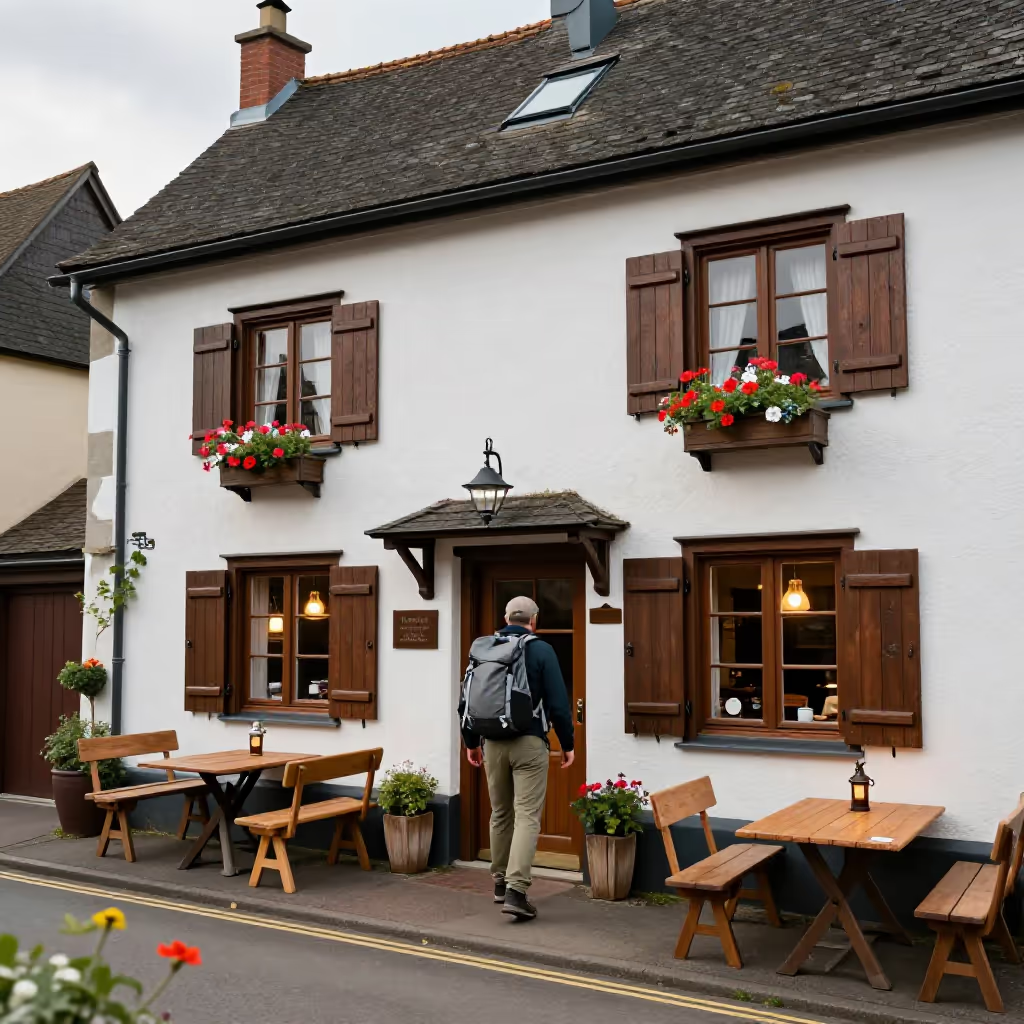
Nach der langen Wanderung sind wir in einer urigen Taverne eingekehrt.
After the long hike, we stopped in at a quaint tavern.
Regional association
Although it is a German word, 'Taverne' (tavern) is very strongly associated with vacations in Southern Europe. It often describes a place that offers simple local food and drinks.
EXAMPLE
Wir fanden eine charmante Taverne direkt am Meer.
We found a charming tavern right by the sea.
Compare with
near_synonym · confusable
Taverne vs Restaurant
restaurant
'Restaurant' and 'Taverne' can both be places where you can eat and drink. 'Restaurant' is the neutral and general term for many kinds of dining establishments. 'Taverne' sounds more specific: people often think of a simple, rustic inn, especially in southern countries or in a historical style. The words can be confused because a tavern can also function like a restaurant. In normal everyday German, people usually say 'Restaurant'. 'Taverne' fits better when the place seems simple, traditional, or Mediterranean.
Taverne
Im Urlaub saßen wir abends in einer kleinen Taverne am Hafen.
On vacation, we sat in a small tavern by the harbor in the evenings.
Restaurant
Er reserviert nach der Arbeit ein Restaurant für sich und seine Kollegin.
After work, he reserves a restaurant for himself and his colleague.